The cryptocurrency landscape is rich with various token standards, each serving unique purposes and functionalities. Among these, ERC20, ERC721, and ERC1155 are the most prominent standards on the Ethereum blockchain. Understanding these standards is crucial for anyone looking to navigate the world of cryptocurrencies, whether you’re a developer, investor, or enthusiast. This guide will delve into each of these token standards, their characteristics, use cases, and the implications they have on the broader crypto ecosystem.
What are Token Standards?
Token standards are technical specifications that define how tokens can be created, issued, and managed on a blockchain. They ensure interoperability between different tokens and applications, allowing developers to build on existing frameworks without reinventing the wheel. In the Ethereum ecosystem, these standards are particularly important due to the platform’s flexibility and widespread adoption.
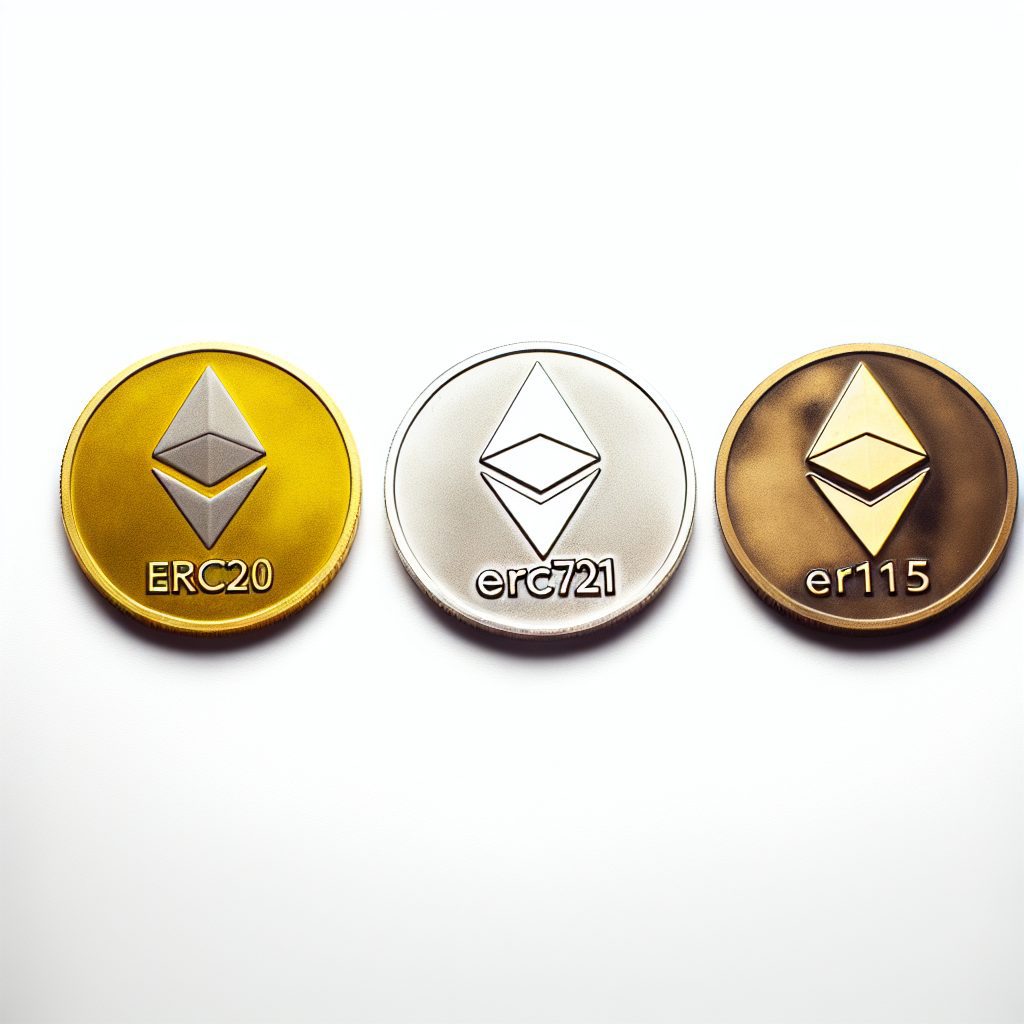
ERC20: The Foundation of Fungible Tokens
ERC20 is the most widely used token standard on the Ethereum blockchain. It was proposed in November 2015 by Fabian Vogelsteller and Vitalik Buterin. The ERC20 standard defines a set of rules that all fungible tokens must follow, ensuring that they can interact seamlessly with various wallets, exchanges, and decentralized applications (dApps).
Key Features of ERC20 Tokens
- Fungibility: Each token is identical and interchangeable with another token of the same type.
- Transferability: Tokens can be easily transferred between users.
- Standardized Functions: ERC20 tokens must implement specific functions such as
transfer,approve, andtransferFrom. - Event Logging: The standard includes events like
TransferandApprovalto track transactions.
Common Use Cases for ERC20 Tokens
ERC20 tokens have become the backbone of many projects in the crypto space. Here are some common use cases:
- Initial Coin Offerings (ICOs): Many projects use ERC20 tokens to raise funds through ICOs, allowing investors to purchase tokens in exchange for Ethereum or other cryptocurrencies.
- Decentralized Finance (DeFi): ERC20 tokens are widely used in DeFi applications for lending, borrowing, and trading.
- Utility Tokens: Many platforms issue ERC20 tokens as utility tokens, granting holders access to specific services or features.
Challenges and Limitations of ERC20
While ERC20 tokens have facilitated the growth of the crypto ecosystem, they also come with challenges:
- Gas Fees: Transactions involving ERC20 tokens can incur high gas fees, especially during network congestion.
- Complexity in Interactions: Interacting with multiple ERC20 tokens can lead to complex smart contract interactions, increasing the risk of errors.
ERC721: The Era of Non-Fungible Tokens (NFTs)
ERC721 is a token standard that introduced the concept of non-fungible tokens (NFTs) to the Ethereum blockchain. Proposed in January 2018 by William Entriken, Dieter Shirley, and Jacob Evans, ERC721 allows for the creation of unique tokens that represent ownership of specific assets, both digital and physical.
Key Features of ERC721 Tokens
- Uniqueness: Each token has a unique identifier, making it distinct from other tokens.
- Metadata: ERC721 tokens can include metadata, allowing for rich descriptions and attributes.
- Ownership Tracking: The standard provides a way to track ownership and transfer of tokens.
Common Use Cases for ERC721 Tokens
ERC721 tokens have gained immense popularity, particularly in the realm of digital art and collectibles. Here are some notable use cases:
- Digital Art: Artists can tokenize their work as NFTs, allowing them to sell and trade their creations on various platforms.
- Gaming: In-game assets can be represented as ERC721 tokens, giving players true ownership of their items.
- Virtual Real Estate: Platforms like Decentraland use ERC721 tokens to represent ownership of virtual land.
Challenges and Limitations of ERC721
Despite their advantages, ERC721 tokens also face challenges:
- Market Volatility: The value of NFTs can be highly volatile, making them risky investments.
- Environmental Concerns: The energy consumption of the Ethereum network has raised concerns about the environmental impact of minting and trading NFTs.
ERC1155: The Multi-Token Standard
ERC1155 is a more advanced token standard that allows for the creation of both fungible and non-fungible tokens within a single contract. Proposed by Witek Radomski in 2018, ERC1155 aims to improve efficiency and reduce gas costs associated with token transactions.
Key Features of ERC1155 Tokens
- Multi-Token Support: A single ERC1155 contract can manage multiple token types, both fungible and non-fungible.
- Batch Transfers: ERC1155 allows for batch transfers of tokens, significantly reducing transaction costs.
- Efficient Storage: The standard optimizes storage, making it more efficient than deploying multiple contracts for different token types.
Common Use Cases for ERC1155 Tokens
ERC1155 has opened new avenues for developers and creators. Here are some common use cases:
- Gaming: Game developers can use ERC1155 to create a variety of in-game assets, from weapons to skins, all managed under one contract.
- Collectibles: Platforms can issue both fungible and non-fungible collectibles, enhancing user experience.
- Tokenized Assets: Real-world assets can be tokenized using ERC1155, allowing for fractional ownership.
Challenges and Limitations of ERC1155
While ERC1155 offers numerous advantages, it is not without its challenges:
- Complexity: The multi-token nature can introduce complexity in contract management and user interactions.
- Adoption: As a newer standard, ERC1155 has not yet achieved the same level of adoption as ERC20 and ERC721.
Comparative Analysis of ERC20, ERC721, and ERC1155
Understanding the differences between these token standards is essential for developers and investors alike. Here’s a comparative analysis:
| Feature | ERC20 | ERC721 | ERC1155 |
|---|---|---|---|
| Type | Fungible | Non-Fungible | Multi-Token |
| Uniqueness | Identical | Unique | Both |
| Batch Transfers | No | No | Yes |
| Use Cases | Payments, ICOs, DeFi | Art, Collectibles, Gaming | Gaming, Collectibles, Tokenized Assets |
Future of Token Standards
The future of token standards on the Ethereum blockchain looks promising. As the ecosystem continues to evolve, we can expect to see:
- Interoperability: Enhanced interoperability between different token standards, allowing for seamless interactions.
- Layer 2 Solutions: The rise of Layer 2 solutions will help mitigate gas fees and improve transaction speeds.
- Regulatory Clarity: As governments and regulatory bodies provide clearer guidelines, the adoption of token standards will likely increase.
FAQs
What is the main difference between ERC20 and ERC721?
ERC20 tokens are fungible, meaning each token is identical and interchangeable, while ERC721 tokens are non-fungible, meaning each token is unique and represents a specific asset.
Can ERC20 tokens be converted to ERC721 tokens?
While they are different standards, it is possible to create a mechanism that allows for the conversion of ERC20 tokens to ERC721 tokens, but this would require a custom smart contract.
What are the gas fees associated with these token standards?
Gas fees vary based on network congestion and the complexity of the transaction. Generally, ERC20 transactions incur lower fees than ERC721 due to the latter’s unique nature. ERC1155 can reduce gas fees through batch transfers.
Are ERC1155 tokens more efficient than ERC20 and ERC721?
Yes, ERC1155 tokens are designed to be more efficient, allowing for batch transfers and managing multiple token types within a single contract, which can significantly reduce gas costs.
Conclusion
Understanding the differences between ERC20, ERC721, and ERC1155 token standards is essential for anyone involved in the cryptocurrency space. Each standard serves unique purposes, catering to various use cases from fungible tokens for payments to non-fungible tokens for digital art and collectibles. As the crypto ecosystem continues to evolve, these standards will play a crucial role in shaping the future of digital assets.
For more insights and updates on the cryptocurrency industry, visit Bitrabo, your trusted source for crypto news, airdrops, and new listings alerts. Follow us on X, Instagram, Threads, Facebook, and LinkedIn for the latest updates.
Disclaimer: This article is for informational purposes only and should not be considered financial advice. Always do your own research before investing in cryptocurrencies.