The cryptocurrency landscape in the Democratic Republic of the Congo (DRC) is evolving rapidly, with increasing interest from both individuals and businesses. However, the potential for Congolese banks to block cryptocurrency transactions raises significant questions about the future of digital currencies in the region. This article delves into the implications of such a move, exploring the impact on the economy, individual investors, and the broader cryptocurrency ecosystem.
Understanding the Current Crypto Landscape in the DRC
As of 2025, the DRC has seen a surge in cryptocurrency adoption, driven by factors such as inflation, currency devaluation, and a lack of access to traditional banking services. Many Congolese citizens view cryptocurrencies as a viable alternative for saving and transferring value. The rise of mobile money services has also facilitated easier access to digital currencies.
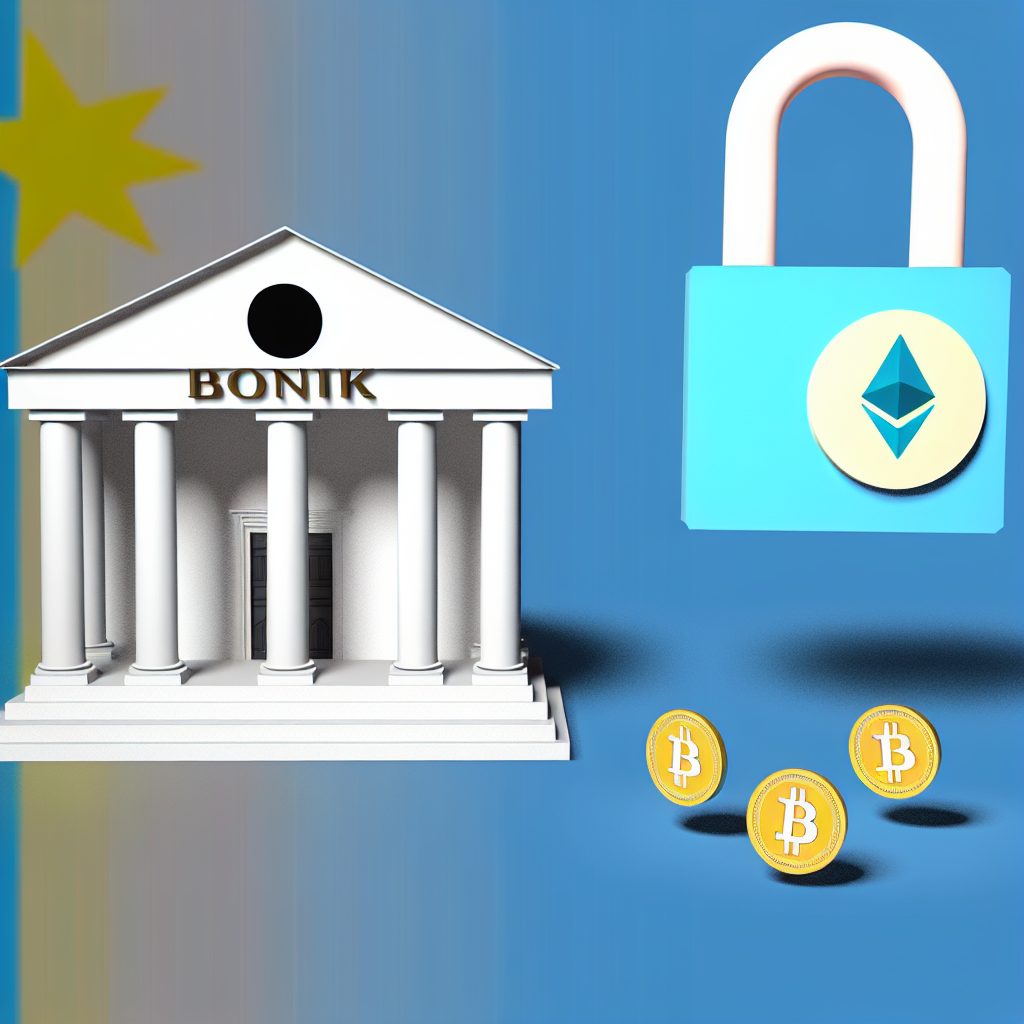
The Role of Banks in the Congolese Economy
Banks in the DRC play a crucial role in the financial ecosystem, providing services such as savings accounts, loans, and payment processing. However, the banking sector has faced numerous challenges, including:
- Limited Access: A significant portion of the population remains unbanked, limiting their access to financial services.
- High Fees: Transaction fees can be prohibitively high, discouraging individuals from using traditional banking services.
- Currency Instability: The Congolese franc has experienced significant fluctuations, prompting many to seek stability in cryptocurrencies.
Potential Reasons for Blocking Crypto
If Congolese banks decide to block cryptocurrency transactions, several motivations could be at play:
- Regulatory Compliance: Banks may feel pressured to comply with international regulations that discourage or prohibit cryptocurrency transactions.
- Risk Management: The volatile nature of cryptocurrencies poses risks to financial stability, prompting banks to take a conservative approach.
- Control Over Monetary Policy: By blocking crypto, banks can maintain greater control over the national currency and monetary policy.
Implications for the Cryptocurrency Ecosystem
The decision to block cryptocurrencies could have far-reaching consequences for the DRC’s crypto ecosystem:
1. Impact on Individual Investors
For individual investors, a bank blockade could lead to:
- Loss of Access: Many individuals rely on banks for converting local currency to crypto. Blocking these transactions would limit their ability to invest in or use cryptocurrencies.
- Increased Risk: Without access to regulated exchanges, individuals may turn to unregulated platforms, increasing their exposure to scams and fraud.
- Market Volatility: A sudden influx of individuals attempting to liquidate their crypto holdings could lead to significant market volatility.
2. Effects on Businesses
Businesses that have adopted cryptocurrencies for transactions may face challenges such as:
- Operational Disruptions: Companies relying on crypto for payments may struggle to maintain operations if they cannot convert funds back to local currency.
- Loss of Competitive Edge: Businesses that have embraced crypto may find themselves at a disadvantage compared to competitors who can still access traditional banking services.
- Innovation Stifling: A ban on crypto could hinder innovation in the fintech sector, limiting the development of new financial products and services.
3. Broader Economic Consequences
The broader economic implications of blocking cryptocurrencies could include:
- Reduced Foreign Investment: Investors may be deterred from entering the Congolese market if they perceive a hostile environment towards cryptocurrencies.
- Increased Informal Economy: A ban on crypto could push transactions into the informal economy, making it harder for the government to regulate and tax these activities.
- Potential for Economic Isolation: The DRC could become isolated from the global digital economy, missing out on opportunities for growth and innovation.
Alternatives to Traditional Banking
In the event of a bank blockade, individuals and businesses may seek alternative methods to engage with cryptocurrencies:
- P2P Trading Platforms: Users may turn to peer-to-peer platforms to buy and sell cryptocurrencies directly with one another.
- Decentralized Exchanges (DEXs): DEXs allow users to trade cryptocurrencies without the need for a central authority, providing a potential workaround for banking restrictions.
- Crypto Wallets: Digital wallets can facilitate the storage and transfer of cryptocurrencies, enabling users to manage their assets independently of banks.
Global Perspectives on Crypto Regulation
Examining how other countries have approached cryptocurrency regulation can provide valuable insights for the DRC. Countries like El Salvador have embraced Bitcoin as legal tender, while others, such as China, have imposed strict bans. The varying approaches highlight the importance of balancing innovation with regulatory oversight.
Future Outlook for Cryptocurrency in the DRC
The future of cryptocurrency in the DRC will depend on several factors, including:
- Government Stance: The government’s approach to regulation will significantly influence the crypto landscape.
- Public Awareness: Increasing awareness and education about cryptocurrencies can empower individuals to make informed decisions.
- Technological Advancements: Innovations in blockchain technology may provide new opportunities for integrating cryptocurrencies into the economy.
FAQs
What are the risks of using cryptocurrencies in the DRC?
Risks include regulatory uncertainty, potential scams, and market volatility. Users should conduct thorough research and exercise caution.
How can individuals protect their crypto investments?
Investors can protect their assets by using secure wallets, enabling two-factor authentication, and staying informed about market trends.
Are there any legal frameworks for cryptocurrencies in the DRC?
As of 2025, the legal framework for cryptocurrencies in the DRC is still developing, with ongoing discussions about regulation and oversight.
What should I do if banks block crypto transactions?
Consider exploring alternative trading platforms, decentralized exchanges, and peer-to-peer trading options to continue engaging with cryptocurrencies.
Conclusion
The potential for Congolese banks to block cryptocurrency transactions poses significant challenges for individuals and businesses alike. While such a move could protect the traditional banking system, it may also stifle innovation and limit access to financial services for many. As the DRC navigates this complex landscape, the future of cryptocurrency will depend on regulatory decisions, public awareness, and technological advancements. For the latest updates and insights into the cryptocurrency world, visit Bitrabo, your trusted source for crypto news, airdrops, and market analysis.
Stay connected with us on social media: X, Instagram, Threads, Facebook, LinkedIn.
Disclaimer: This article is for informational purposes only and should not be considered financial advice. Always conduct your own research before making investment decisions.