Why Africans Are Choosing DEXs Over Banks
The financial landscape in Africa is undergoing a significant transformation, driven by the rise of decentralized exchanges (DEXs) and the growing adoption of cryptocurrencies. As traditional banking systems struggle to meet the needs of a rapidly evolving population, many Africans are turning to DEXs for their financial transactions. This article delves into the reasons behind this shift, exploring the advantages of DEXs over traditional banks and the implications for the future of finance in Africa.
The Current State of Banking in Africa
Despite the continent’s rich resources and potential for economic growth, many African countries face challenges in their banking systems. A significant portion of the population remains unbanked or underbanked, with limited access to financial services. According to the World Bank, about 66% of adults in Sub-Saharan Africa do not have a bank account. This lack of access is often due to:
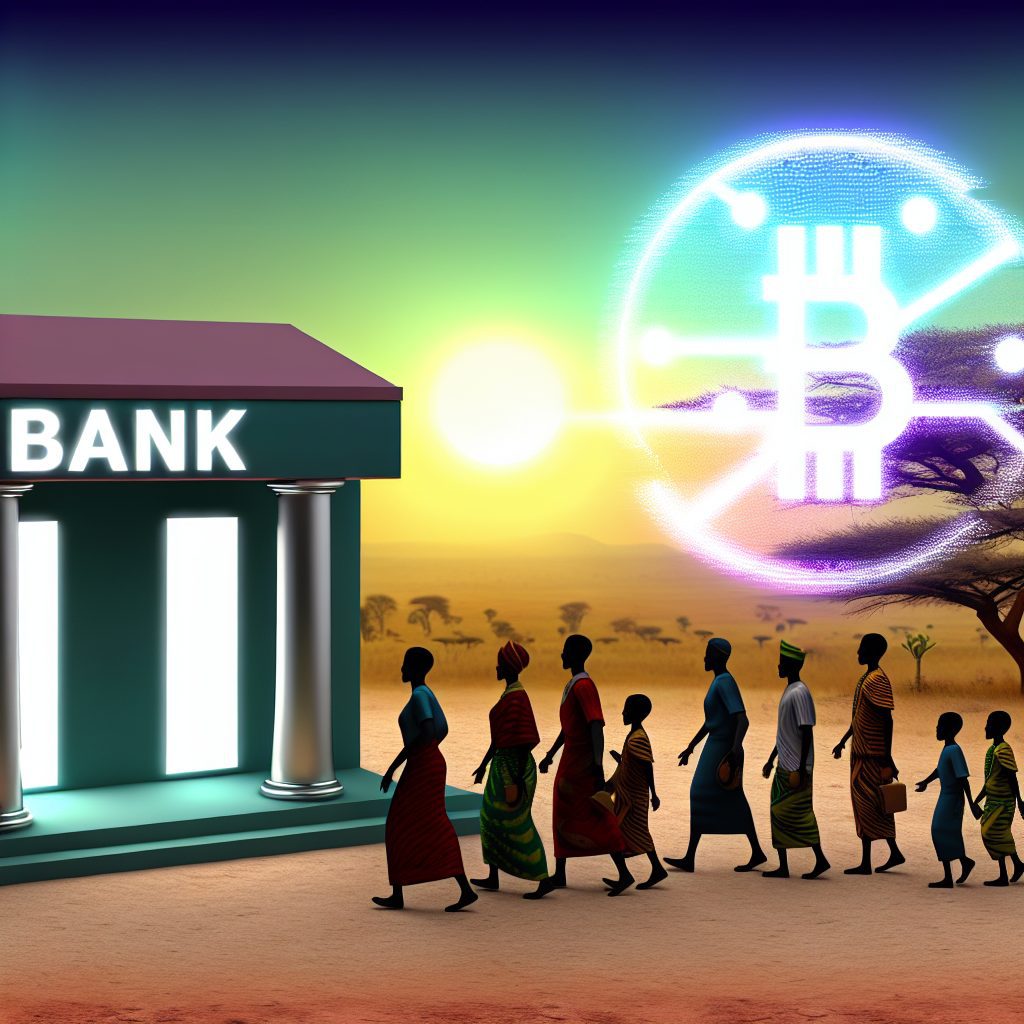
- High fees: Traditional banks often impose high fees for account maintenance and transactions, making it difficult for low-income individuals to participate.
- Limited infrastructure: In many rural areas, banking infrastructure is lacking, making it challenging for people to access banking services.
- Bureaucratic hurdles: The process of opening a bank account can be cumbersome, requiring extensive documentation and verification.
These barriers have created a fertile ground for alternative financial solutions, particularly in the form of cryptocurrencies and DEXs.
Understanding Decentralized Exchanges (DEXs)
Decentralized exchanges are platforms that allow users to trade cryptocurrencies directly with one another without the need for an intermediary. Unlike centralized exchanges, which require users to deposit their funds into the exchange’s wallet, DEXs enable users to retain control of their assets throughout the trading process. This model offers several advantages:
- Privacy: DEXs typically do not require users to provide personal information, allowing for greater privacy and anonymity.
- Security: By eliminating the need to deposit funds into a centralized wallet, users reduce the risk of hacks and theft.
- Accessibility: DEXs can be accessed from anywhere with an internet connection, making them available to individuals in remote areas.
Why Africans Prefer DEXs
The shift towards DEXs in Africa can be attributed to several key factors:
1. Financial Inclusion
Many Africans are seeking ways to participate in the global economy, and DEXs provide an accessible entry point. With just a smartphone and internet access, individuals can trade cryptocurrencies without the need for a bank account. This is particularly important in regions where traditional banking services are scarce.
2. Lower Transaction Costs
Transaction fees on DEXs are often significantly lower than those charged by traditional banks. This is especially beneficial for individuals making small transactions or remittances, as high fees can eat into their earnings. DEXs allow users to trade with minimal costs, making financial transactions more affordable.
3. Control Over Assets
In a world where financial institutions can freeze accounts or impose restrictions, DEXs offer users complete control over their assets. This autonomy is particularly appealing in regions where political instability can lead to sudden changes in banking regulations.
4. Rapid Adoption of Cryptocurrencies
The growing popularity of cryptocurrencies in Africa has fueled the rise of DEXs. As more individuals become aware of the benefits of digital currencies, they are seeking platforms that allow them to trade these assets easily. DEXs cater to this demand by providing a user-friendly interface for trading various cryptocurrencies.
5. Peer-to-Peer Transactions
Many DEXs facilitate peer-to-peer transactions, allowing users to trade directly with one another. This model eliminates the need for intermediaries, reducing costs and increasing transaction speed. In regions where traditional banking systems are slow and inefficient, DEXs offer a more efficient alternative.
Challenges Facing DEXs in Africa
While the advantages of DEXs are compelling, there are also challenges that need to be addressed:
- Regulatory Uncertainty: The regulatory environment for cryptocurrencies in Africa is still evolving. Governments are grappling with how to regulate DEXs, which can create uncertainty for users.
- Technical Barriers: Not all users are familiar with how to use DEXs, and there may be a learning curve involved. Education and resources are needed to help users navigate these platforms.
- Market Volatility: The cryptocurrency market is known for its volatility, which can pose risks for users trading on DEXs. Users need to be aware of these risks and manage their investments accordingly.
The Future of DEXs in Africa
The future of decentralized exchanges in Africa looks promising. As more individuals gain access to the internet and smartphones, the potential for DEXs to facilitate financial transactions will continue to grow. Additionally, as the regulatory landscape becomes clearer, more users may feel comfortable engaging with these platforms.
Furthermore, the development of blockchain technology and smart contracts will likely enhance the functionality of DEXs, making them even more appealing to users. Innovations such as liquidity pools and automated market makers (AMMs) are already changing the way trading occurs on these platforms.
Conclusion
The shift from traditional banking to decentralized exchanges in Africa is a reflection of the continent’s unique challenges and opportunities. As financial inclusion becomes a priority, DEXs offer a viable solution for many individuals seeking to participate in the global economy. With lower transaction costs, greater control over assets, and the ability to trade directly with peers, DEXs are poised to play a significant role in shaping the future of finance in Africa.
As the cryptocurrency landscape continues to evolve, staying informed is crucial. For the latest news, airdrops, and updates in the crypto space, consider joining the Bitrabo community. Follow Bitrabo on X, Instagram, Threads, Facebook, and LinkedIn.
FAQs
What are decentralized exchanges (DEXs)?
Decentralized exchanges (DEXs) are platforms that allow users to trade cryptocurrencies directly with one another without the need for an intermediary, providing greater privacy and control over assets.
Why are DEXs becoming popular in Africa?
DEXs are gaining popularity in Africa due to their accessibility, lower transaction costs, and the ability to retain control over assets, especially in regions with limited banking infrastructure.
What challenges do DEXs face in Africa?
Challenges include regulatory uncertainty, technical barriers for users, and market volatility, which can pose risks for those trading on these platforms.
How can I get started with using a DEX?
To get started with a DEX, you need a cryptocurrency wallet and some digital assets to trade. Research different DEX platforms to find one that suits your needs, and familiarize yourself with how to use it.
Are DEXs safe to use?
While DEXs offer greater security by allowing users to retain control of their assets, they are not without risks. Users should conduct thorough research and understand the risks associated with trading cryptocurrencies.
Disclaimer: The information provided in this article is for informational purposes only and should not be considered financial advice. Always conduct your own research and consult with a financial advisor before making investment decisions.