Why Ghanaians Are Flocking to Bitcoin
In recent years, Ghana has witnessed a remarkable surge in interest towards Bitcoin and other cryptocurrencies. This trend is not merely a passing phase; it reflects a significant shift in how Ghanaians perceive finance, investment, and the future of money. As the world becomes increasingly digital, the allure of Bitcoin has captivated many in Ghana, leading to a growing community of enthusiasts and investors. This article delves into the reasons behind this phenomenon, exploring the economic, social, and technological factors driving Ghanaians towards Bitcoin.
The Economic Landscape of Ghana
Ghana’s economy has shown resilience and growth, but it is not without its challenges. High inflation rates, currency depreciation, and limited access to traditional banking services have prompted many Ghanaians to seek alternative financial solutions. Bitcoin, with its decentralized nature and potential for high returns, presents an attractive option.
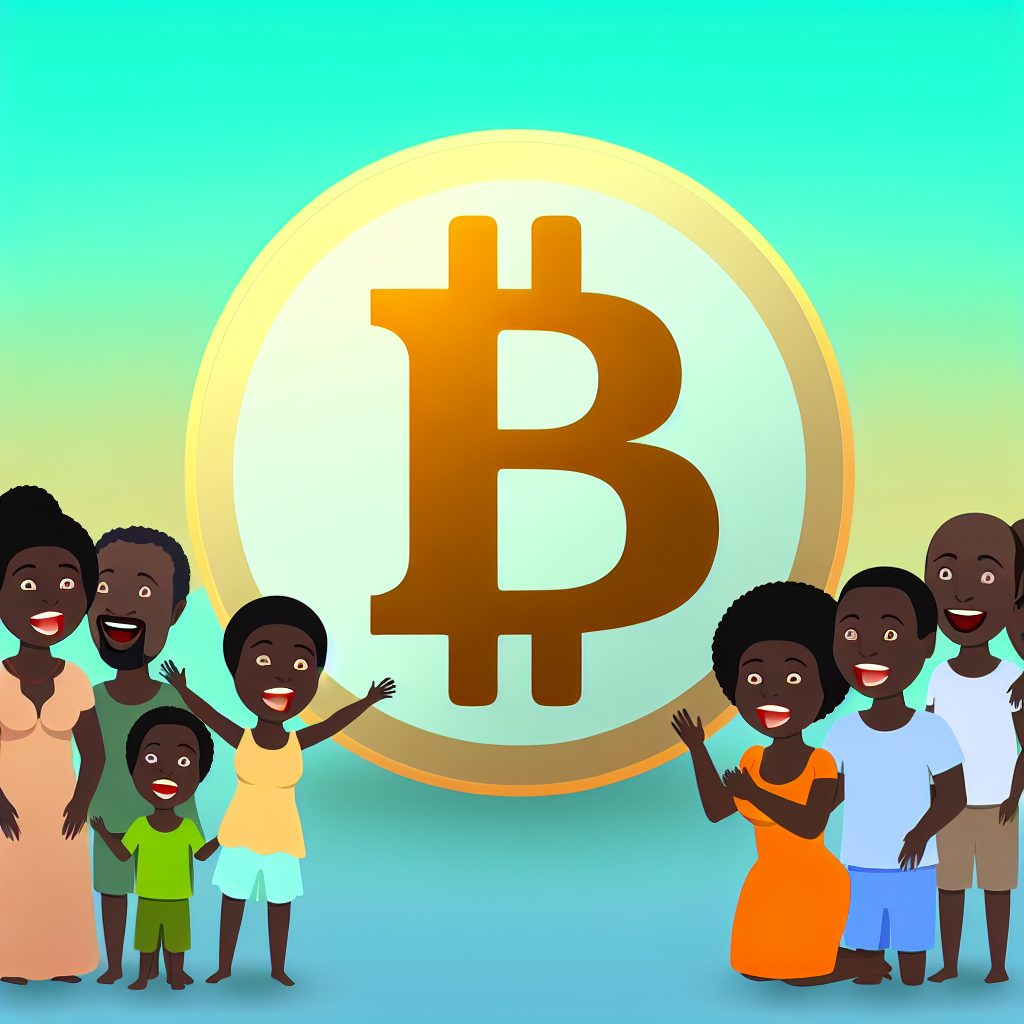
Inflation and Currency Depreciation
Ghana has experienced periods of significant inflation, which erodes the purchasing power of the Ghanaian cedi. As citizens watch their savings diminish, many turn to Bitcoin as a hedge against inflation. The fixed supply of Bitcoin—capped at 21 million coins—offers a stark contrast to fiat currencies that can be printed at will.
Limited Access to Banking Services
Despite improvements in financial inclusion, a substantial portion of the Ghanaian population remains unbanked or underbanked. According to the World Bank, about 58% of adults in Ghana have access to formal financial services. This lack of access drives individuals to explore cryptocurrencies, which can be accessed via mobile phones and the internet, bypassing traditional banking barriers.
The Rise of Digital Literacy
As internet penetration increases in Ghana, so does digital literacy. More Ghanaians are becoming comfortable with technology, making it easier for them to understand and engage with cryptocurrencies. The youth, in particular, are leading this charge, as they are more likely to embrace new technologies and investment opportunities.
Mobile Technology and Internet Access
Ghana has seen a significant rise in mobile phone usage, with over 40 million mobile subscriptions reported in 2023. This accessibility allows individuals to trade Bitcoin and other cryptocurrencies through various platforms, including mobile apps. The convenience of trading on-the-go has made Bitcoin more appealing to the average Ghanaian.
Educational Initiatives
Various organizations and communities in Ghana are actively promoting cryptocurrency education. Workshops, online courses, and social media campaigns are helping to demystify Bitcoin and blockchain technology. As more people become informed about the benefits and risks associated with cryptocurrencies, the interest continues to grow.
Investment Opportunities
Many Ghanaians view Bitcoin as a lucrative investment opportunity. The potential for high returns, coupled with the global trend of increasing cryptocurrency adoption, has led to a surge in local investment.
Speculation and Trading
The volatility of Bitcoin prices attracts traders looking to capitalize on price fluctuations. Many Ghanaians are engaging in day trading or holding Bitcoin as a long-term investment. The allure of quick profits has led to a burgeoning trading community, with many individuals sharing tips and strategies on social media platforms.
Remittances and Cross-Border Transactions
Ghana is one of the largest recipients of remittances in Africa. Traditional remittance channels often come with high fees and long processing times. Bitcoin offers a faster and cheaper alternative for sending money across borders. Ghanaians living abroad can send Bitcoin to their families back home, allowing for quicker access to funds without the burden of excessive fees.
The Role of Peer-to-Peer (P2P) Platforms
Peer-to-peer platforms have played a crucial role in facilitating Bitcoin transactions in Ghana. These platforms allow users to buy and sell Bitcoin directly with one another, bypassing traditional exchanges. This has made it easier for Ghanaians to acquire Bitcoin without the need for a bank account.
Accessibility and Convenience
P2P platforms provide a user-friendly interface that appeals to both novice and experienced traders. Users can choose their payment methods, including mobile money, bank transfers, or cash, making it accessible to a broader audience. This flexibility has contributed to the growing popularity of Bitcoin in Ghana.
Community Trust and Local Networks
Many Ghanaians prefer P2P transactions due to the trust established within local networks. Users often engage with friends or family members, reducing the perceived risks associated with online transactions. This community-driven approach fosters a sense of security and encourages more people to participate in the cryptocurrency market.
Government Regulations and the Future of Bitcoin in Ghana
The regulatory landscape for cryptocurrencies in Ghana is still evolving. While the government has expressed interest in blockchain technology, there is a cautious approach towards regulating cryptocurrencies. This uncertainty can create both challenges and opportunities for Bitcoin adoption.
Regulatory Challenges
Unclear regulations can deter potential investors who fear legal repercussions. However, the government’s interest in blockchain technology indicates a willingness to explore the benefits of cryptocurrencies. As regulations become clearer, it could lead to increased legitimacy and acceptance of Bitcoin in Ghana.
Future Prospects
As the global cryptocurrency market continues to grow, Ghana is poised to become a significant player in the African crypto landscape. With increasing interest from both individuals and businesses, the future of Bitcoin in Ghana looks promising. The potential for innovation, investment, and economic growth through cryptocurrencies is vast.
Challenges Facing Bitcoin Adoption in Ghana
Despite the enthusiasm surrounding Bitcoin, several challenges remain that could hinder its widespread adoption in Ghana.
Volatility and Risk
The inherent volatility of Bitcoin poses a significant risk for investors. Many Ghanaians may be hesitant to invest large sums of money due to the fear of losing their investments. Education on risk management and investment strategies is crucial to mitigate these concerns.
Scams and Fraud
The rise of Bitcoin has also attracted scammers looking to exploit unsuspecting individuals. Reports of Ponzi schemes and fraudulent investment opportunities have surfaced, leading to a lack of trust in the cryptocurrency space. Raising awareness about these risks and promoting safe trading practices is essential for fostering a secure environment for investors.
FAQs About Bitcoin in Ghana
What is Bitcoin?
Bitcoin is a decentralized digital currency that allows for peer-to-peer transactions without the need for intermediaries like banks. It operates on a technology called blockchain, which ensures transparency and security.
How can I buy Bitcoin in Ghana?
You can buy Bitcoin in Ghana through various methods, including P2P platforms, cryptocurrency exchanges, and local Bitcoin ATMs. Ensure you choose a reputable platform and follow safe trading practices.
Is Bitcoin legal in Ghana?
As of 2025, Bitcoin is not recognized as legal tender in Ghana, but it is not illegal to buy, sell, or hold Bitcoin. The government is exploring regulations to provide clarity on its use.
What are the risks of investing in Bitcoin?
Investing in Bitcoin carries risks, including price volatility, potential scams, and regulatory uncertainties. It is essential to conduct thorough research and only invest what you can afford to lose.
Can I use Bitcoin for everyday transactions in Ghana?
While some businesses in Ghana accept Bitcoin as a form of payment, it is not yet widely accepted for everyday transactions. However, this is gradually changing as more merchants explore cryptocurrency payments.
Conclusion
The growing interest in Bitcoin among Ghanaians is a reflection of the changing financial landscape in the country. Economic challenges, increased digital literacy, and the allure of investment opportunities are driving this trend. While there are challenges to overcome, the future of Bitcoin in Ghana appears bright. As more individuals and businesses embrace cryptocurrencies, Ghana could emerge as a significant player in the African crypto market, paving the way for innovation and economic growth.