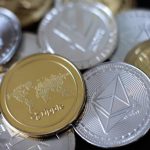
The financial landscape in Kenya has undergone a significant transformation in recent years, with many individuals opting to store their wealth in Bitcoin rather than traditional assets like gold. This shift is driven by various factors, including economic conditions, technological advancements, and the unique characteristics of cryptocurrency. In this comprehensive guide, we will delve into the reasons behind this trend, exploring the advantages of Bitcoin over gold and the implications for the Kenyan economy.
The Economic Context in Kenya
To understand why Kenyans are increasingly favoring Bitcoin, it is essential to consider the economic context. Kenya has experienced a mix of economic growth and challenges, including inflation, currency fluctuations, and a growing population. These factors have led many to seek alternative stores of value.

- Inflation Rates: Kenya has faced periods of high inflation, eroding the purchasing power of the Kenyan Shilling. In contrast, Bitcoin has a capped supply, making it a hedge against inflation.
- Currency Volatility: The Kenyan Shilling has experienced significant fluctuations, prompting individuals to look for more stable assets. Bitcoin, while volatile, is perceived as a more reliable store of value in the long term.
- Access to Financial Services: Many Kenyans remain unbanked or underbanked, making it challenging to access traditional financial services. Bitcoin offers a decentralized alternative that can be accessed via mobile devices.
The Rise of Cryptocurrency in Kenya
Kenya has emerged as a leader in cryptocurrency adoption in Africa. The country boasts a vibrant tech ecosystem, with numerous startups and initiatives focused on blockchain technology. This environment has fostered a growing interest in cryptocurrencies, particularly Bitcoin.
- Tech-Savvy Population: With a high penetration of mobile phones and internet access, many Kenyans are comfortable using digital platforms, making the transition to cryptocurrency more seamless.
- Peer-to-Peer Trading: The rise of peer-to-peer (P2P) trading platforms has made it easier for Kenyans to buy and sell Bitcoin without relying on traditional financial institutions.
- Education and Awareness: Increased awareness of cryptocurrency through social media, online courses, and community events has contributed to a more informed population.
Advantages of Bitcoin Over Gold
While gold has long been considered a safe haven asset, Bitcoin offers several advantages that make it more appealing to Kenyans.
1. Portability and Accessibility
Bitcoin is inherently digital, allowing for easy transfer and storage. Unlike gold, which requires physical storage and security, Bitcoin can be stored in a digital wallet and accessed from anywhere with an internet connection. This portability is particularly advantageous for individuals in remote areas of Kenya.
2. Lower Transaction Costs
Transacting with Bitcoin often incurs lower fees compared to buying, selling, or storing gold. This cost-effectiveness is crucial for individuals looking to maximize their investments.
3. Transparency and Security
Bitcoin transactions are recorded on a public ledger known as the blockchain, providing transparency and security. This feature reduces the risk of fraud and enhances trust among users. In contrast, gold transactions can be opaque, making it difficult to verify authenticity.
4. Potential for High Returns
Bitcoin has demonstrated significant price appreciation over the years, attracting investors seeking high returns. While gold has historically been a stable asset, its price movements are often less volatile than Bitcoin’s, which can be both a risk and an opportunity for investors.
5. Decentralization
Bitcoin operates on a decentralized network, meaning it is not controlled by any government or financial institution. This characteristic appeals to many Kenyans who may distrust traditional banking systems due to past economic instability.
Challenges of Storing Bitcoin
Despite its advantages, storing Bitcoin is not without challenges. Understanding these challenges is crucial for potential investors.
- Volatility: Bitcoin’s price can fluctuate dramatically, leading to potential losses for investors. This volatility can be intimidating for those accustomed to the stability of gold.
- Security Risks: While the blockchain is secure, individual wallets can be vulnerable to hacking. Users must take precautions to protect their private keys and wallets.
- Lack of Regulation: The cryptocurrency market is still relatively unregulated, which can lead to scams and fraudulent schemes. Investors must conduct thorough research before engaging in any transactions.
The Role of Education and Community
Education plays a vital role in the adoption of Bitcoin in Kenya. Various organizations and community groups are working to educate individuals about cryptocurrency, its benefits, and how to navigate the market safely.
- Workshops and Seminars: Many tech hubs and universities host workshops to teach people about blockchain technology and cryptocurrency trading.
- Online Resources: Websites, forums, and social media platforms provide valuable information and support for those interested in Bitcoin.
- Community Support: Local communities often come together to share knowledge and experiences, fostering a supportive environment for new investors.
Bitcoin vs. Gold: A Comparative Analysis
To further illustrate the differences between Bitcoin and gold, let’s conduct a comparative analysis based on several key factors.
| Factor | Bitcoin | Gold |
|---|---|---|
| Portability | Highly portable; can be transferred digitally | Physically heavy; requires secure storage |
| Transaction Costs | Generally lower | Higher due to physical handling and storage |
| Price Volatility | High volatility | More stable |
| Security | Secure via blockchain; risk of hacking | Physical theft risk; requires secure storage |
| Regulation | Less regulated | Highly regulated |
Future Prospects for Bitcoin in Kenya
The future of Bitcoin in Kenya looks promising, with several trends indicating continued growth and adoption.
- Increased Institutional Adoption: As more businesses and institutions recognize the potential of Bitcoin, we can expect increased acceptance and integration into the mainstream economy.
- Government Regulation: While the current regulatory environment is uncertain, future regulations could provide a framework for safer trading and investment.
- Technological Advancements: Innovations in blockchain technology and cryptocurrency platforms will likely enhance user experience and security, making Bitcoin more accessible.
FAQs
1. Is Bitcoin a safe investment?
While Bitcoin offers potential for high returns, it is also subject to significant volatility. Investors should conduct thorough research and consider their risk tolerance before investing.
2. How can I buy Bitcoin in Kenya?
Bitcoin can be purchased through various platforms, including cryptocurrency exchanges and peer-to-peer trading platforms. Ensure you choose a reputable platform with good security measures.
3. What are the tax implications of investing in Bitcoin in Kenya?
As of 2025, the tax treatment of cryptocurrencies in Kenya is still evolving. It is advisable to consult with a tax professional to understand your obligations.
4. Can I use Bitcoin for everyday transactions in Kenya?
While acceptance is growing, Bitcoin is not yet widely accepted for everyday transactions. However, some businesses and online platforms do accept Bitcoin as a form of payment.
5. What should I do if I lose access to my Bitcoin wallet?
Access to your Bitcoin wallet is crucial. If you lose your private keys, you may lose access to your funds permanently. Always back up your wallet and store your keys securely.
Conclusion
The shift from gold to Bitcoin among Kenyans reflects a broader trend towards embracing digital assets in an increasingly interconnected world. With its advantages in portability, transaction costs, and potential for high returns, Bitcoin presents a compelling alternative to traditional stores of value. As the cryptocurrency landscape continues to evolve, it is essential for individuals to stay informed and educated about their investment choices.
For more insights and updates on the cryptocurrency market, visit Bitrabo, your trusted source for crypto news, airdrops, and new listings alerts. Follow us on X, Instagram, Threads, Facebook, and LinkedIn for the latest updates.
Disclaimer: This article is for informational purposes only and should not be considered financial advice. Always conduct your own research and consult with a financial advisor before making investment decisions.