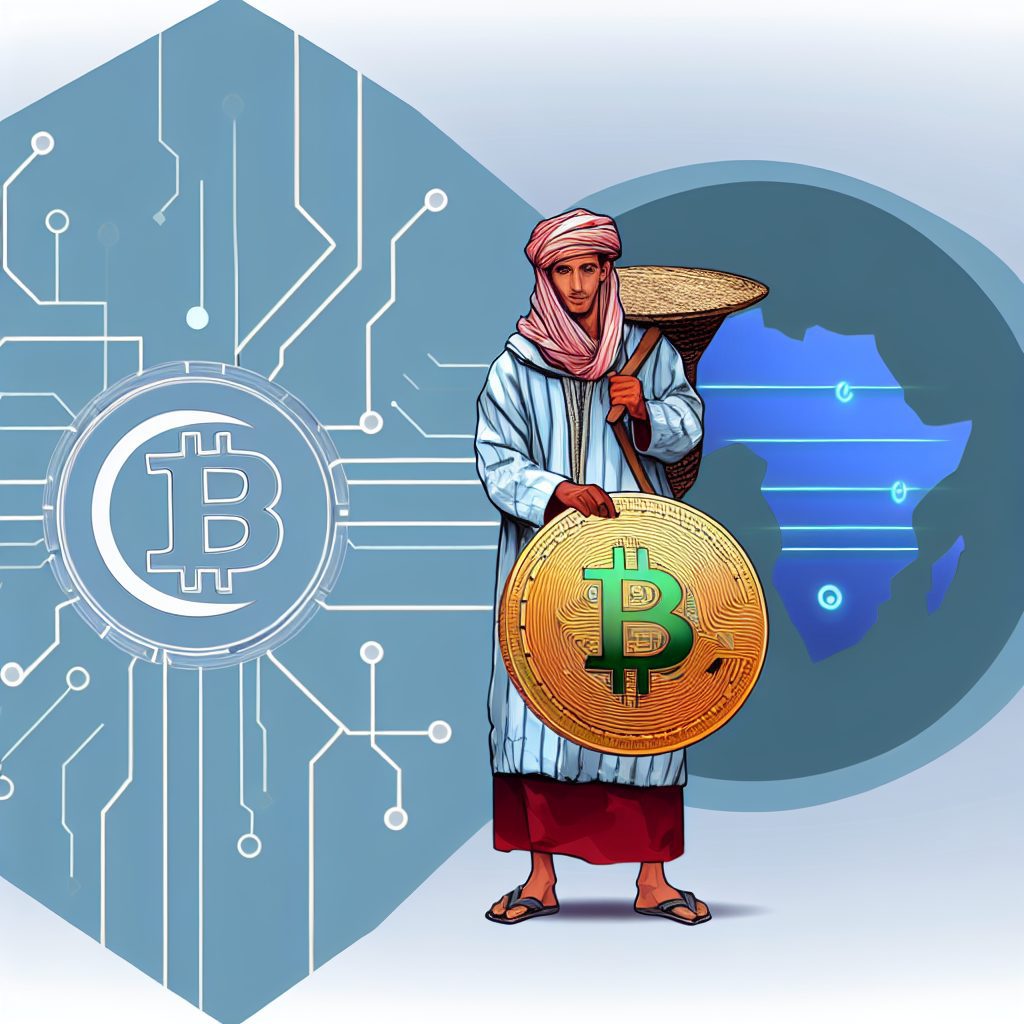
The adoption of cryptocurrency in rural Morocco is a phenomenon that has gained momentum in recent years. As the world becomes increasingly digital, many Moroccans in rural areas are turning to cryptocurrencies as a viable alternative to traditional financial systems. This article delves into the reasons behind this trend, exploring the unique challenges faced by rural communities and how cryptocurrencies offer solutions.
The Financial Landscape in Rural Morocco
Rural areas in Morocco often face significant economic challenges. Limited access to banking services, high unemployment rates, and a lack of financial literacy contribute to a landscape where traditional financial systems fall short. According to the World Bank, approximately 60% of Moroccans do not have access to formal banking services, making it difficult for them to save, invest, or conduct transactions efficiently.
Barriers to Traditional Banking
Several factors hinder the effectiveness of traditional banking in rural Morocco:
- Geographical Isolation: Many rural communities are located far from urban centers, making it challenging to access banks.
- High Fees: The costs associated with maintaining a bank account can be prohibitive for low-income individuals.
- Lack of Financial Literacy: Many people in rural areas lack the knowledge needed to navigate traditional banking systems.
These barriers create a fertile ground for alternative financial solutions, such as cryptocurrencies.
Understanding Cryptocurrency
Cryptocurrency is a digital or virtual form of currency that uses cryptography for security. Unlike traditional currencies, cryptocurrencies operate on decentralized networks based on blockchain technology. This decentralization offers several advantages, particularly for those in rural areas.
Advantages of Cryptocurrency for Rural Moroccans
Moroccans in rural areas are increasingly adopting cryptocurrencies for various reasons:
- Accessibility: Cryptocurrencies can be accessed via smartphones and the internet, making them more accessible than traditional banking.
- Lower Transaction Costs: Cryptocurrency transactions often have lower fees compared to traditional banking, making them more affordable for rural residents.
- Financial Inclusion: Cryptocurrencies provide an opportunity for unbanked individuals to participate in the financial system.
- Security and Privacy: Cryptocurrencies offer a level of security and privacy that traditional banking cannot match.
Case Studies: Successful Adoption in Rural Areas
Several case studies illustrate how rural Moroccans are successfully adopting cryptocurrencies:
1. Agricultural Cooperatives
Many agricultural cooperatives in rural Morocco have started using cryptocurrencies to facilitate transactions. By accepting payments in cryptocurrencies, these cooperatives can reduce transaction costs and improve their cash flow. This has allowed them to invest more in their operations and support local farmers.
2. Remittances
For many rural families, remittances from family members working abroad are a crucial source of income. Cryptocurrencies offer a faster and cheaper way to send money home compared to traditional remittance services. This has led to an increase in the use of cryptocurrencies for cross-border transactions.
3. E-commerce Ventures
Some entrepreneurs in rural areas have begun to explore e-commerce opportunities, using cryptocurrencies as a payment method. This not only broadens their customer base but also allows them to bypass traditional banking hurdles.
Challenges of Cryptocurrency Adoption
Despite the advantages, there are challenges that rural Moroccans face when adopting cryptocurrencies:
- Lack of Infrastructure: Limited internet connectivity and electricity can hinder the use of cryptocurrencies.
- Regulatory Uncertainty: The Moroccan government has expressed skepticism towards cryptocurrencies, which can create a risky environment for users.
- Volatility: The price volatility of cryptocurrencies can be a concern for those looking to use them as a stable form of currency.
Education and Awareness Initiatives
To overcome these challenges, education and awareness initiatives are crucial. Various organizations and local governments are working to educate rural communities about the benefits and risks of cryptocurrencies. Workshops, online courses, and community meetings are being organized to improve financial literacy and promote responsible usage of cryptocurrencies.
The Role of Technology in Adoption
Technology plays a pivotal role in the adoption of cryptocurrencies in rural Morocco. Mobile phones have become ubiquitous, even in remote areas, allowing individuals to access cryptocurrency wallets and trading platforms. Additionally, the rise of decentralized finance (DeFi) platforms offers new opportunities for rural residents to engage in financial activities without relying on traditional banks.
Future Prospects for Cryptocurrency in Rural Morocco
The future of cryptocurrency adoption in rural Morocco looks promising. As more people become aware of the benefits and as technology continues to improve, the potential for widespread adoption increases. The Moroccan government is also beginning to recognize the importance of digital currencies, which may lead to more favorable regulations in the future.
FAQs
1. What is cryptocurrency?
Cryptocurrency is a digital or virtual currency that uses cryptography for security and operates on decentralized networks based on blockchain technology.
2. Why are rural Moroccans adopting cryptocurrency?
Rural Moroccans are adopting cryptocurrency due to its accessibility, lower transaction costs, financial inclusion, and enhanced security and privacy.
3. What challenges do rural Moroccans face in adopting cryptocurrency?
Challenges include lack of infrastructure, regulatory uncertainty, and the volatility of cryptocurrency prices.
4. How can education improve cryptocurrency adoption in rural areas?
Education can enhance financial literacy, helping individuals understand the benefits and risks of cryptocurrencies, leading to more responsible usage.
5. What is the future of cryptocurrency in rural Morocco?
The future looks promising, with increasing awareness, technological advancements, and potential regulatory support paving the way for broader adoption.
Conclusion
The adoption of cryptocurrency in rural Morocco represents a significant shift in how individuals engage with financial systems. By overcoming traditional barriers, cryptocurrencies offer a pathway to financial inclusion and empowerment for many. As education and technology continue to evolve, the potential for rural Moroccans to leverage cryptocurrencies for economic growth is immense. For more insights and updates on the cryptocurrency landscape, visit Bitrabo, your trusted source for crypto news, airdrops, and market signals.
Disclaimer: The information provided in this article is for informational purposes only and should not be considered financial advice. Always conduct your own research before making any investment decisions.