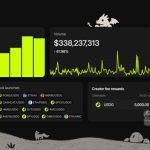
What is Alkimiya?
Alkimiya is a protocol designed for blockspace markets that facilitates the creation, trading, and settlement of synthetic blockspace resources via a decentralized network of smart contracts. This innovative system allows users to explore essential blockchain metrics in novel ways, establishing markets rooted in actual blockchain performance instead of speculative trends.

The initiative has garnered notable support, successfully raising $7.2 million from prominent backers such as Coinbase Ventures, Dragonfly, Circle, and 1kx.
Alkimiya airdrop Details
Alkimiya has introduced the Fourier Program, a social initiative aimed at rewarding engaged users and community members. This program operates on a points-based structure, encouraging participants to earn rewards by completing various tasks that contribute to the development of the Alkimiya ecosystem.
The Fourier Program consists of three tiers: Bronze, Silver, and Gold. As users progress through these levels, they unlock additional tasks, such as sharing on-chain insights, providing feedback, and engaging in community activities. All participants will earn rewards based on their involvement and contributions.
How to Participate in the Alkimiya Fourier Program
- Go to the Alkimiya points campaign page
- Log in using your wallet to set up an account
- Link your X account to verify your social presence
- Join the Alkimiya Discord server to receive a role
- Wait about 24 hours for the role to be assigned on Discord
- Return to the campaign site to start collecting points
- Complete daily tasks: Follow Alkimiya on social media, retweet their posts, and engage with content
- Take part in weekly events: Share insights, attend community AMAs, and link your wallet for transactions
- Invite friends to the platform for more points
- Monitor your progress through the Bronze, Silver, and Gold tiers
Frequently Asked Questions
How long will the Fourier Program last?
The Fourier Program consists of seasons, with the first season currently ongoing. Each season will have distinct goals and reward systems, but the overall program is intended for continuous engagement.
What kind of rewards can participants expect?
While detailed reward information is still to be fully revealed, participants can anticipate earning points that may lead to token distributions, exclusive access, or other advantages within the Alkimiya ecosystem.
Is there a deadline for joining the Fourier Program?
The program is open for participation with no announced end date for Season 1. However, joining early generally offers more opportunities to collect points.
What features are coming soon to the Alkimiya ecosystem?
Alkimiya has revealed several forthcoming features to enhance its blockspace markets protocol:
- LP Vaults: Dedicated liquidity pools centered on blockspace metrics
- Gas Refinery: Tools designed to optimize gas usage and control transaction costs
- Advanced trading interfaces: Novel methods for engaging with essential blockchain metrics
Conclusion
The Alkimiya Fourier Program provides a systematic way to engage with a promising protocol in the blockspace markets arena. By participating in the tier-based reward system, users can earn rewards while gaining early access to a new perspective on DeFi that focuses on blockchain fundamentals over mere token speculation.
Interested in more projects that currently lack tokens but may offer governance tokens to early users later? Check out our list of potential retroactive airdrops to stay ahead of the next DeFi airdrop!
Don’t forget to follow us on Twitter, Telegram, & Facebook and subscribe
to our newsletter for updates on new airdrops!