Crypto Freelancers in Africa Are Outearning Coders
The rise of cryptocurrency has transformed various sectors globally, and Africa is no exception. In recent years, a significant trend has emerged: crypto freelancers in Africa are out-earning traditional coders. This phenomenon is not merely a coincidence; it reflects the unique economic landscape of the continent, the growing adoption of digital currencies, and the opportunities that the crypto industry presents. This article delves into the reasons behind this trend, the profiles of successful crypto freelancers, and the implications for the future of work in Africa.
The Economic Landscape of Africa
Africa is home to a diverse range of economies, each with its own challenges and opportunities. Many countries on the continent face high unemployment rates, particularly among the youth. Traditional job markets often struggle to absorb the growing workforce, leading many to seek alternative avenues for income. This is where the cryptocurrency industry comes into play.
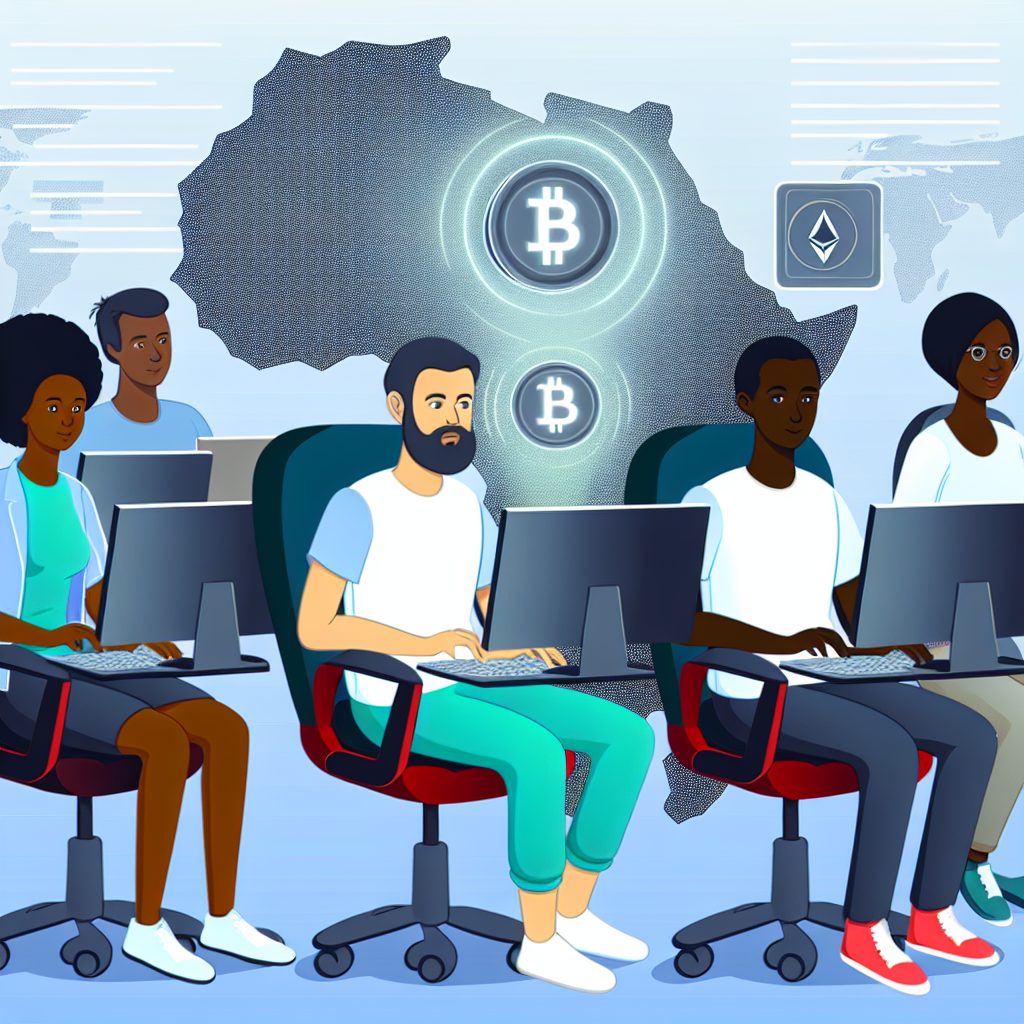
According to a report by Statista, the adoption of cryptocurrency in Africa has surged, with millions of users engaging in various crypto activities. This growing interest has created a fertile ground for freelancers who can leverage their skills in this burgeoning market.
Why Are Crypto Freelancers Outearning Coders?
Several factors contribute to the higher earnings of crypto freelancers compared to traditional coders in Africa:
- Global Market Access: Crypto freelancers can tap into a global market, allowing them to charge competitive rates that often exceed local standards.
- Diverse Skill Sets: Many crypto freelancers possess a range of skills, including blockchain development, smart contract creation, and digital marketing, making them versatile and valuable.
- High Demand for Crypto Services: As more businesses and individuals seek to enter the crypto space, the demand for skilled freelancers has skyrocketed.
- Flexible Work Arrangements: Freelancers can choose projects that align with their skills and interests, often leading to higher job satisfaction and productivity.
- Potential for Passive Income: Many crypto freelancers engage in trading or investing, allowing them to earn additional income beyond their freelance work.
Profiles of Successful Crypto Freelancers
To understand the landscape better, let’s look at some profiles of successful crypto freelancers in Africa:
The Blockchain Developer
Blockchain developers are in high demand as companies look to integrate blockchain technology into their operations. These freelancers often command high rates due to their specialized skills. For instance, a blockchain developer in Nigeria can earn upwards of $100 per hour, significantly more than the average local coder.
The Crypto Marketer
With the explosion of new cryptocurrencies and projects, effective marketing has become crucial. Crypto marketers who understand the nuances of the industry can earn substantial incomes by helping projects gain visibility and traction. Many of these freelancers work on a commission basis, earning a percentage of the funds raised during Initial Coin Offerings (ICOs) or token sales.
The NFT Artist
The rise of Non-Fungible Tokens (NFTs) has opened new avenues for artists in Africa. Many talented artists are now creating digital art and selling it as NFTs, often fetching prices that far exceed traditional art sales. This trend has empowered artists to earn a living while showcasing their work to a global audience.
The Role of Education and Skill Development
As the demand for crypto-related skills grows, so does the need for education and training. Various online platforms offer courses on blockchain technology, cryptocurrency trading, and digital marketing. These resources are crucial for aspiring freelancers looking to break into the industry.
Organizations such as Blockchain Academy and Udemy provide valuable training that can help individuals acquire the necessary skills to succeed in the crypto space. Additionally, local meetups and workshops are becoming increasingly popular, fostering a community of learners and professionals.
The Impact of Cryptocurrency on Local Economies
The rise of crypto freelancers is not just a personal success story; it has broader implications for local economies. As more individuals engage in the crypto space, they contribute to economic growth in several ways:
- Job Creation: The demand for crypto services leads to the creation of new jobs, both directly and indirectly.
- Increased Financial Inclusion: Cryptocurrency provides access to financial services for those who are unbanked or underbanked, empowering individuals to participate in the global economy.
- Innovation and Entrepreneurship: The crypto industry encourages innovation, leading to the development of new products and services that can benefit local communities.
Challenges Faced by Crypto Freelancers
Despite the opportunities, crypto freelancers in Africa face several challenges:
- Regulatory Uncertainty: The regulatory environment for cryptocurrencies varies significantly across African countries, creating uncertainty for freelancers.
- Access to Resources: Many freelancers struggle with access to reliable internet and technology, which can hinder their ability to work effectively.
- Market Volatility: The crypto market is known for its volatility, which can impact earnings for freelancers who engage in trading or investing.
Future Trends in the Crypto Freelancing Space
The future of crypto freelancing in Africa looks promising, with several trends likely to shape the landscape:
- Increased Adoption of Decentralized Finance (DeFi): As DeFi platforms gain traction, freelancers will find new opportunities to offer services related to lending, borrowing, and trading.
- Growth of Remote Work: The shift towards remote work is likely to continue, allowing freelancers to collaborate with clients worldwide.
- Emergence of New Technologies: Innovations such as artificial intelligence and machine learning will create new opportunities for freelancers to enhance their services.
FAQs
What skills do I need to become a crypto freelancer?
To become a successful crypto freelancer, you should consider acquiring skills in blockchain development, digital marketing, cryptocurrency trading, and graphic design for NFTs. Online courses and community workshops can help you build these skills.
How can I find clients as a crypto freelancer?
Freelancers can find clients through platforms like Upwork, Fiverr, and specialized crypto job boards. Networking within the crypto community and participating in online forums can also lead to potential clients.
Is it safe to work as a crypto freelancer?
While there are risks associated with the crypto market, many freelancers mitigate these risks by diversifying their income streams and staying informed about market trends. It’s essential to conduct thorough research before engaging in any crypto-related work.
What are the payment options for crypto freelancers?
Crypto freelancers can receive payments in various cryptocurrencies, including Bitcoin, Ethereum, and stablecoins. Some platforms also allow for fiat payments, providing flexibility for freelancers and clients.
Conclusion
The trend of crypto freelancers in Africa out-earning traditional coders is a testament to the transformative power of cryptocurrency. As the industry continues to grow, it presents unique opportunities for individuals to leverage their skills and earn a sustainable income. By embracing education, networking, and innovation, African freelancers can position themselves at the forefront of this exciting industry.
For those interested in staying updated on the latest trends, news, and opportunities in the crypto space, platforms like Bitrabo offer valuable resources, including airdrops, new listings alerts, and price tracking. Follow Bitrabo on X, Instagram, Threads, Facebook, and LinkedIn for more insights.
Disclaimer: The information provided in this article is for informational purposes only and should not be considered financial advice. Always conduct your own research before making any investment decisions.