Michael Saylor’s Strategy faces significant changes as MSCI removes it from its equity benchmarks, effective November 30. This decision raises concerns about future institutional investments and the overall landscape for Bitcoin treasury companies.
With a holding of over 850,000 BTC, Strategy remains a key institutional player in the cryptocurrency space, continuing its Bitcoin accumulation despite ongoing market fluctuations. However, MSCI’s move may alter how passive investment funds interact with Strategy shares.

Removal from MSCI Indexes: What You Need to Know
On November 11, MSCI announced it would take Strategy out of its USA Index due to revised eligibility criteria for companies classified as non-operating businesses. This change will take effect at the end of November, aligning with MSCI’s latest index review.
MSCI’s new framework was prompted by a reassessment of how companies holding significant financial assets should be categorized in traditional equity indexes. To qualify for inclusion, companies must exhibit adequate operating assets; those that don’t meet this standard may face further financial scrutiny.
While the new guidelines are not explicitly aimed at Bitcoin companies, the implications are substantial, especially for firms like Strategy that rely primarily on digital assets for their financials. Strategy contends that its approach to Bitcoin investment represents a legitimate operating model rather than merely a passive investment strategy.
Potential Institutional Impact: $2.8 Billion in Selling Pressure?
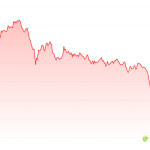
One crucial concern stemming from MSCI’s decision is the potential institutional selling pressure it could create. JPMorgan has estimated that the exclusion could lead to around $2.8 billion in sell-offs from passive funds tracking MSCI indexes. However, this figure remains speculative, highlighting the uncertainty surrounding future market reactions.
Strategy argues that approximately 3.1% of its shares are held by funds tracking MSCI indexes, suggesting that the direct impact on its stock price could be manageable. It’s important to note that MSCI’s decision does not compel the company to divest its Bitcoin assets immediately; the primary effects would focus on institutional ownership of Strategy shares.
Strategy’s Bitcoin Holdings: An Enduring Strength
Despite the potential fallout from its removal from the index, Strategy continues to harbor around 850,364 BTC, translating to an initial investment of about $64.16 billion, with an average purchase price of around $75,456 per Bitcoin. The firm’s strategy has established it as a prominent supporter of Bitcoin’s integration into corporate finance.
Michael Saylor has consistently advocated for Bitcoin as a treasury asset, solidifying Strategy’s identity as a corporate leader in Bitcoin investment. The recent MSCI announcement does not alter the amount of Bitcoin the firm controls but may change how investors perceive the value of its shares relative to its Bitcoin holdings.
If the trading premium of Strategy’s stock against its Bitcoin net asset value diminishes, this could complicate the company’s efforts to raise additional capital through share offerings, potentially impacting its future Bitcoin acquisitions.
Broader Implications for Institutional Bitcoin Adoption
MSCI’s decision also prompts a broader conversation about the classification of companies centered on digital assets within traditional financial institutions. Advocates of Bitcoin view corporate treasury adoption as a crucial step in the cryptocurrency’s acceptance into mainstream finance.
Strategy has set a precedent for how publicly traded entities can integrate Bitcoin into their capital allocation strategies. As index providers reevaluate how such businesses are classified, more companies with similar business models might face increased scrutiny.
The market has shown that large holders of Bitcoin can impact price sentiment, but institutional investors still have pathways to engage with Bitcoin through various investment products, including spot Bitcoin ETFs. Therefore, the changes in Strategy’s index status may not directly correlate with diminishing institutional appetite for Bitcoin overall.
Next Steps for Strategy and the Bitcoin Market
The upcoming November 30 date marks a critical juncture for both Strategy and institutional investment strategies. Observers will be keenly looking to see how passive funds adapt their holdings and if Strategy’s share price faces extra volatility.
In the meantime, Strategy’s ongoing Bitcoin investments and capital-raising activities will also be under close scrutiny. As the immediate index-related selling impact primarily concerns Strategy shares rather than Bitcoin itself, the broader market for the cryptocurrency may remain relatively stable.
Nonetheless, this development could influence how other firms approach their Bitcoin treasury strategies. As institutional interest in Bitcoin grows, companies must navigate the complexities of existing financial frameworks that often overlook digital asset businesses.
Strategy’s commitment to Bitcoin remains unchanged; however, it now confronts fresh challenges in maintaining its standing within institutional finance.