As the cryptocurrency market continues to gain traction globally, many Kenyans are looking to invest in digital assets. However, navigating this volatile landscape requires a well-thought-out financial strategy. Creating a crypto budget is essential for anyone looking to invest wisely in cryptocurrencies. This guide will provide a comprehensive approach to developing a crypto budget tailored for the Kenyan market, ensuring you make informed decisions while minimizing risks.
Understanding Cryptocurrency in Kenya
Kenya has emerged as a significant player in the cryptocurrency space, with a growing number of individuals and businesses adopting digital currencies. The Central Bank of Kenya (CBK) has issued warnings about the risks associated with cryptocurrencies, yet the demand continues to rise. Understanding the local context is crucial for creating a successful crypto budget.
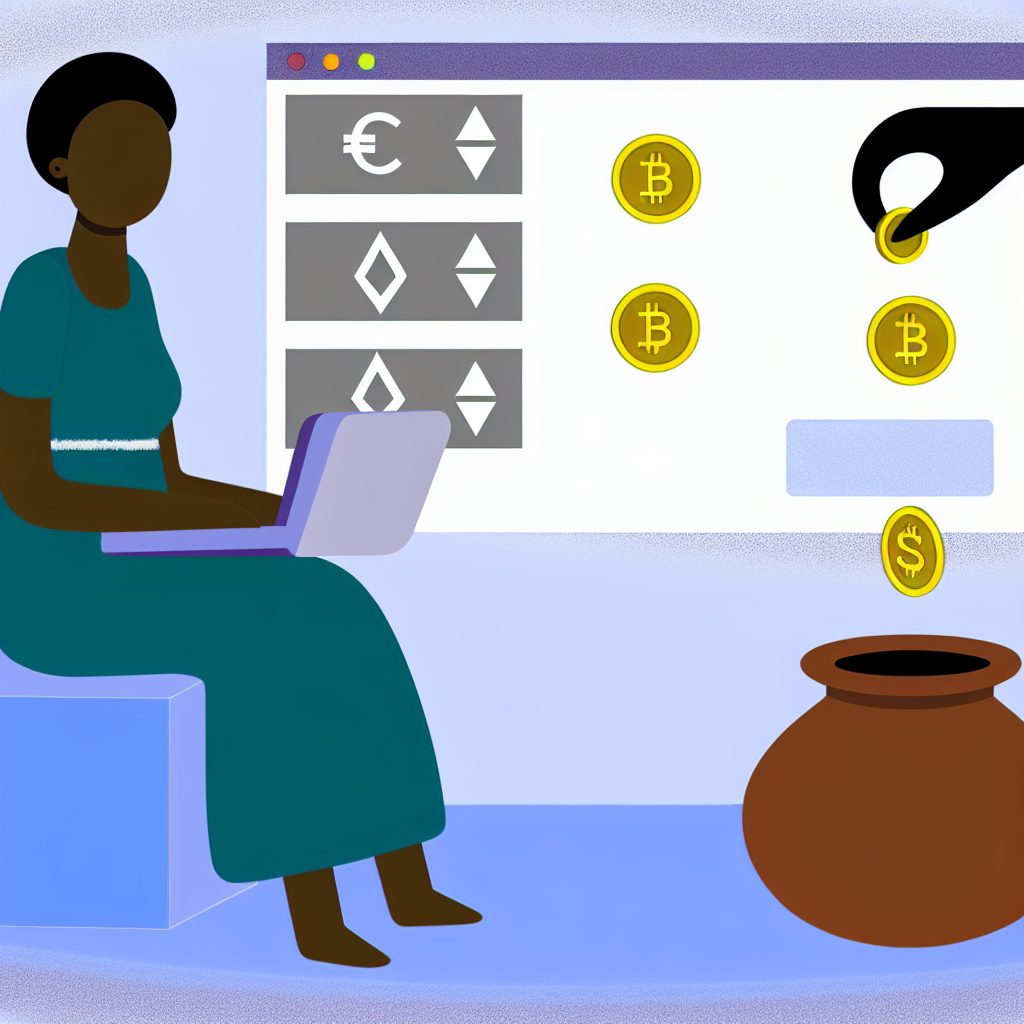
The Current Crypto Landscape
As of 2025, several factors influence the cryptocurrency market in Kenya:
- Regulatory Environment: The CBK has not yet fully embraced cryptocurrencies, leading to a cautious approach among investors.
- Adoption Rates: A significant portion of the population is familiar with digital currencies, thanks to mobile money platforms like M-Pesa.
- Market Volatility: Cryptocurrencies are known for their price fluctuations, which can impact investment strategies.
Steps to Create a Crypto Budget
Creating a crypto budget involves several key steps. Each step is designed to help you assess your financial situation, set clear goals, and allocate resources effectively.
1. Assess Your Financial Situation
Before diving into the world of cryptocurrencies, it’s essential to evaluate your current financial status. This includes understanding your income, expenses, and existing investments.
- Income: Calculate your total monthly income, including salary, side hustles, and any passive income streams.
- Expenses: List all your monthly expenses, such as rent, utilities, food, and transportation. Don’t forget to include discretionary spending.
- Existing Investments: Review any current investments you have, including stocks, bonds, or other assets.
By understanding your financial landscape, you can determine how much you can allocate to cryptocurrency investments without jeopardizing your financial stability.
2. Set Clear Investment Goals
Establishing clear investment goals is crucial for guiding your crypto budget. Consider the following:
- Short-term Goals: Are you looking to make quick profits, or are you interested in long-term growth?
- Risk Tolerance: How much risk are you willing to take? Cryptocurrencies can be highly volatile, so understanding your comfort level is vital.
- Time Horizon: How long do you plan to hold your investments? This can influence your choice of cryptocurrencies.
Having well-defined goals will help you stay focused and make informed decisions as you navigate the crypto market.
3. Research Cryptocurrencies
With thousands of cryptocurrencies available, conducting thorough research is essential. Focus on the following aspects:
- Market Capitalization: Look for cryptocurrencies with a strong market cap, as they tend to be more stable.
- Use Case: Understand the purpose of the cryptocurrency. Is it solving a real-world problem?
- Community Support: A strong community can indicate a cryptocurrency’s potential for growth.
Resources like CoinMarketCap and CoinGecko provide valuable insights into various cryptocurrencies.
4. Determine Your Investment Amount
Deciding how much to invest in cryptocurrencies is a critical step in your budgeting process. Consider the following:
- Percentage of Income: A common rule is to invest no more than 10% of your monthly income in high-risk assets like cryptocurrencies.
- Emergency Fund: Ensure you have an emergency fund in place before investing. This fund should cover at least 3-6 months of living expenses.
- Debt Management: If you have high-interest debt, prioritize paying it off before investing in cryptocurrencies.
By carefully determining your investment amount, you can avoid overextending yourself financially.
5. Choose a Reliable Exchange
Selecting a trustworthy cryptocurrency exchange is crucial for executing your trades. In Kenya, several exchanges cater to local users:
- Binance: A global exchange with a wide range of cryptocurrencies and trading pairs.
- BitPesa: A platform that allows users to buy and sell cryptocurrencies using Kenyan Shillings.
- Coinbase: A user-friendly platform ideal for beginners, though it may have higher fees.
Ensure the exchange you choose has robust security measures, a user-friendly interface, and good customer support.
6. Diversify Your Portfolio
Diversification is a key strategy in investing. Instead of putting all your funds into one cryptocurrency, consider spreading your investments across multiple assets. This can help mitigate risks associated with market volatility.
- Major Cryptocurrencies: Consider investing in established cryptocurrencies like Bitcoin (BTC) and Ethereum (ETH).
- Emerging Projects: Allocate a small portion of your budget to promising new projects with strong fundamentals.
- Stablecoins: Use stablecoins like USDT or USDC to maintain liquidity and reduce volatility in your portfolio.
Diversifying your portfolio can enhance your chances of achieving your investment goals while minimizing risks.
7. Monitor Your Investments
Regularly monitoring your investments is essential for staying informed about market trends and making necessary adjustments. Consider the following:
- Set Alerts: Use tools and apps to set price alerts for your cryptocurrencies.
- Review Performance: Periodically assess the performance of your investments and make adjustments as needed.
- Stay Informed: Follow reputable crypto news sources and communities to stay updated on market developments.
By actively monitoring your investments, you can make timely decisions that align with your financial goals.
8. Plan for Taxes
Understanding the tax implications of your cryptocurrency investments is crucial. In Kenya, the Kenya Revenue Authority (KRA) has begun to take a closer look at cryptocurrency transactions. Here are some key points to consider:
- Capital Gains Tax: Profits from the sale of cryptocurrencies may be subject to capital gains tax.
- Record Keeping: Maintain detailed records of your transactions, including dates, amounts, and prices.
- Consult a Tax Professional: If you’re unsure about your tax obligations, consider consulting a tax advisor familiar with cryptocurrency regulations.
Being proactive about your tax responsibilities can help you avoid potential penalties and ensure compliance with local laws.
Common Mistakes to Avoid
As you create your crypto budget, be aware of common pitfalls that can derail your investment strategy:
- Investing Without Research: Avoid making impulsive decisions based on hype or trends.
- Overtrading: Frequent buying and selling can lead to increased fees and potential losses.
- Ignoring Security: Failing to secure your investments can result in loss due to hacks or scams.
By being mindful of these mistakes, you can enhance your chances of success in the cryptocurrency market.
FAQs
What is the best way to start investing in cryptocurrencies in Kenya?
The best way to start is by assessing your financial situation, setting clear investment goals, and choosing a reliable exchange. Begin with a small investment and gradually increase as you gain experience.
How much should I invest in cryptocurrencies?
A common guideline is to invest no more than 10% of your monthly income in high-risk assets like cryptocurrencies. Ensure you have an emergency fund and have paid off high-interest debt before investing.
Are cryptocurrencies legal in Kenya?
While cryptocurrencies are not officially recognized as legal tender in Kenya, they are not illegal. The Central Bank of Kenya has issued warnings about the risks, but many Kenyans continue to trade and invest in digital currencies.
How can I secure my cryptocurrency investments?
To secure your investments, use hardware wallets for long-term storage, enable two-factor authentication on exchanges, and be cautious of phishing scams. Regularly update your passwords and keep your software up to date.
Conclusion
Creating a crypto budget in Kenya requires careful planning, research, and ongoing management. By assessing your financial situation, setting clear goals, and diversifying your investments, you can navigate the complexities of the cryptocurrency market with confidence. Remember to stay informed, monitor your investments, and be mindful of the risks involved. For more insights and updates on the cryptocurrency landscape, visit Bitrabo, your trusted source for crypto news, airdrops, and market analysis.
Follow Bitrabo on social media for the latest updates: X, Instagram, Threads, Facebook, LinkedIn.
Disclaimer: This article is for informational purposes only and should not be considered financial advice. Always conduct your own research and consult with a financial advisor before making investment decisions.