Recently, El Salvador made a strategic decision regarding its national Bitcoin reserves by separating its holdings into numerous wallets. This measure aims to fortify against potential threats posed by future advancements in quantum computing, as evidenced by official communications and blockchain analysis.
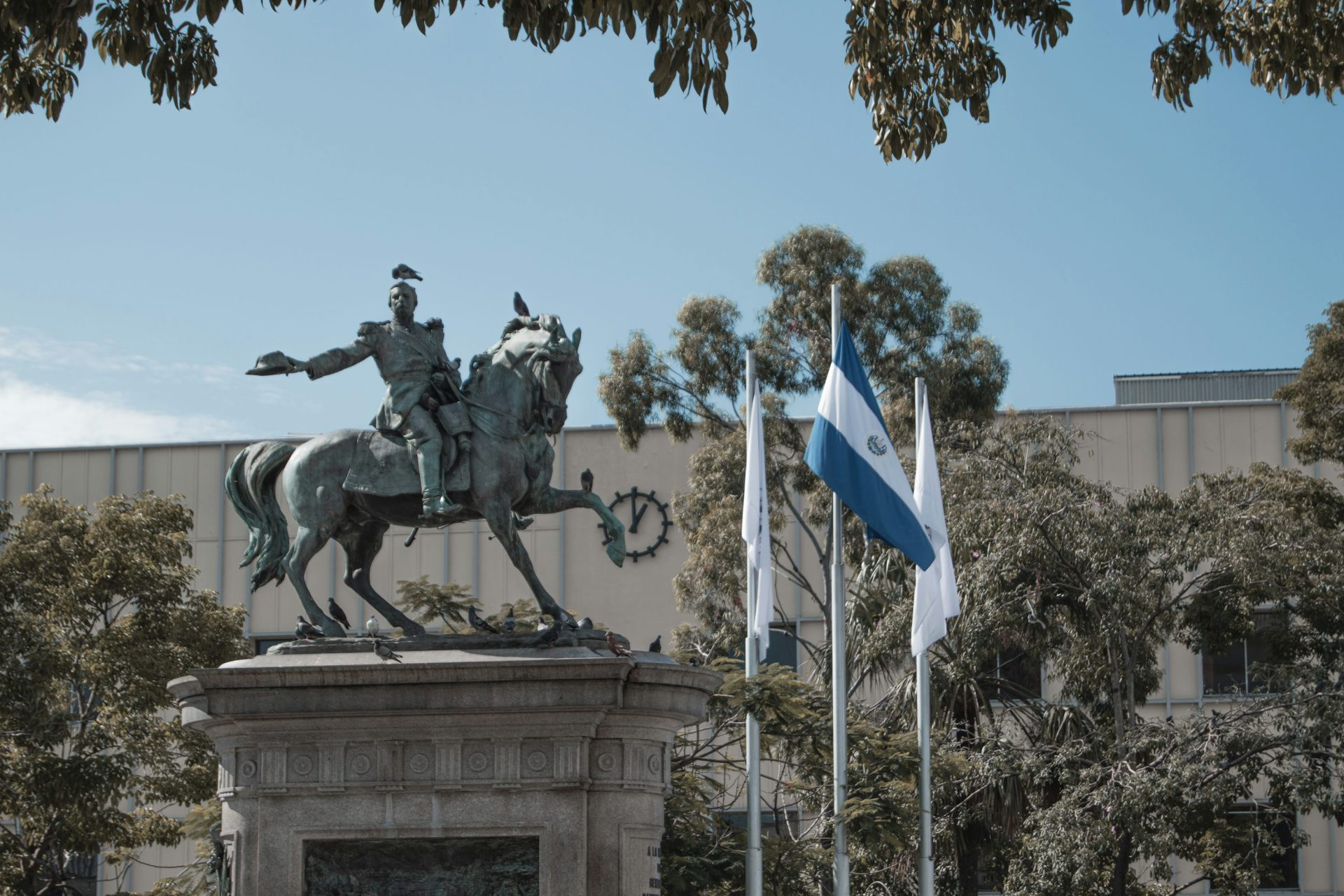
The nation transferred a substantial amount of Bitcoin—6,274 BTC, valued at around $678 million—distributing it from a singular address into 14 distinct wallets, each containing no more than 500 BTC.
Decentralizing Holdings for Enhanced Security
According to the Bitcoin Office, this strategic move is aimed at minimizing risks associated with emerging quantum threats. The government emphasized that this is a proactive, precautionary step to safeguard its assets.
Once a transaction is initiated from a Bitcoin address, its public key becomes publicly accessible on the blockchain. Experts caution that this public key could be a target if quantum computing technologies evolve to effectively compromise current encryption methods.
El Salvador’s initiative to distribute its Bitcoin holdings across various new addresses enhances both security and long-term management of its Bitcoin Reserve. This aligns with contemporary best practices in digital asset protection…
— The Bitcoin Office (@bitcoinofficesv) August 29, 2025
The stakes are significant, as Project Eleven projects that a staggering 6 million Bitcoin, equivalent to approximately $650 billion, could be at risk should quantum capabilities advance.
The underlying concern is rooted in the architecture of Bitcoin’s cryptography, which relies on 256-bit values. Current quantum technologies exploiting Shor’s algorithm have yet to break even a three-bit key.
Theoretical Concerns vs. Practical Reality
Specialists in the field assert that the imminent risk of quantum attacks on Bitcoin is not a pressing issue. Researchers from Project Eleven and other institutions highlight that the current threat remains largely theoretical.
There has yet to be a public quantum computer demonstrating the computational power necessary to undermine existing cryptographic measures.
In a notable statement from michael Saylor, he pointed out that fears surrounding quantum threats tend to be exaggerated. He believes that should a genuine danger arise, both Bitcoin software and its hardware ecosystem can adapt accordingly.
This perspective follows a straightforward premise: while cryptography may be vulnerable, software and hardware modifications provide a pathway for enhancement and resilience, pushing back perceived threats.
The rationale behind El Salvador’s actions is clear: as coins change hands, the associated public key connected to its private key is revealed. Should a sufficiently advanced quantum computer come into existence, it could theoretically deduce the private key and access the funds.
By distributing funds across several addresses, El Salvador effectively reduces the total exposure it faces if any single wallet is compromised in the future.
Implications for Other Investors
This proactive approach may inspire other custodians and large-scale Bitcoin holders to adopt similar measures. While the operational costs involved are minimal, the symbolic impact of this action is significant.
Governments, major exchanges, and individual holders are likely to monitor advancements in cryptography closely; partitioning large reserves stands out as a practical approach without necessitating alterations to Bitcoin itself.
Featured image from Unsplash, chart from TradingView