The integration of blockchain technology into the real estate sector is revolutionizing how properties are bought, sold, and managed. This innovative technology offers a decentralized, transparent, and secure method for handling real estate transactions, which has traditionally been fraught with inefficiencies and complexities. In this comprehensive guide, we will delve into the various applications of blockchain in real estate, its benefits, challenges, and future prospects.
Understanding Blockchain Technology
Before exploring its applications in real estate, it is essential to understand what blockchain technology is. At its core, blockchain is a distributed ledger technology that records transactions across multiple computers in a way that ensures the security and integrity of the data. Each block in the chain contains a list of transactions, and once a block is filled, it is added to the chain in a linear, chronological order.
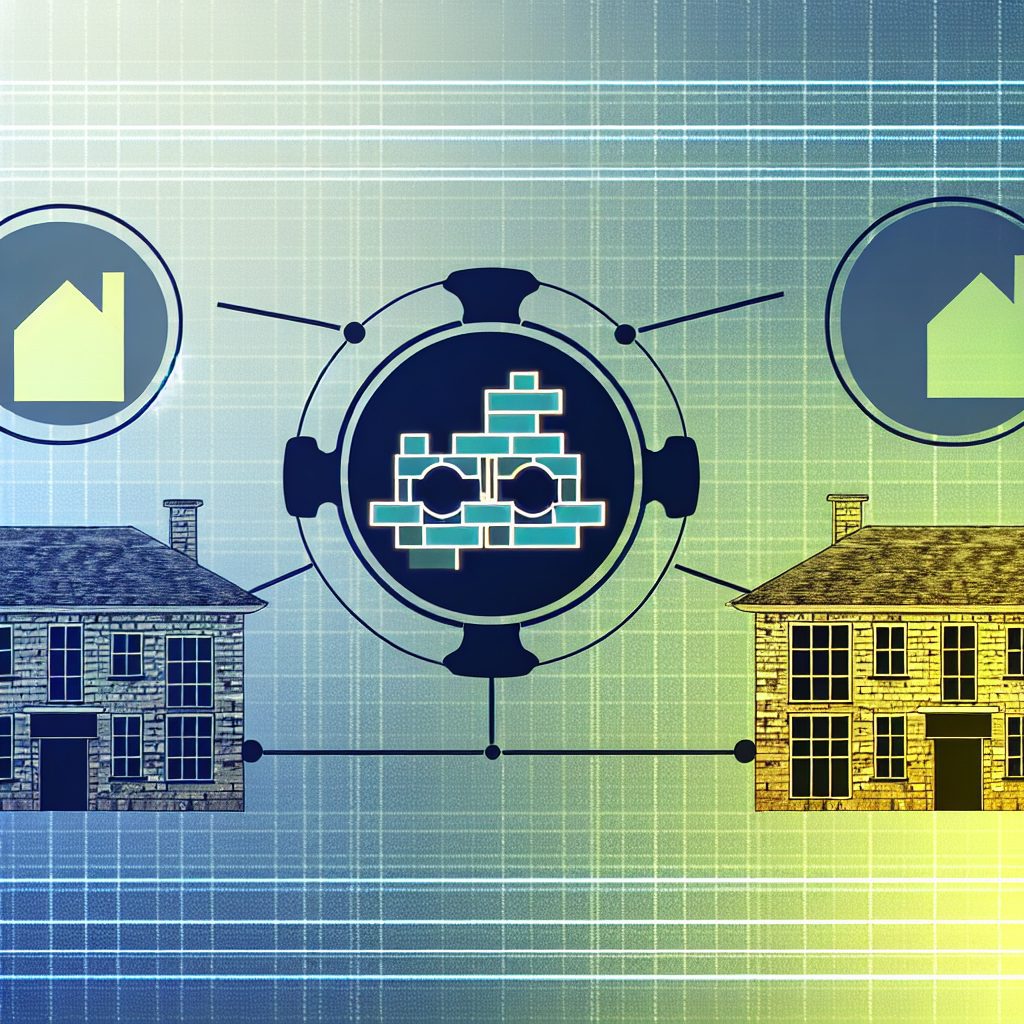
Key characteristics of blockchain include:
- Decentralization: Unlike traditional databases controlled by a single entity, blockchain is maintained by a network of nodes, making it less vulnerable to fraud and manipulation.
- Transparency: All transactions are visible to participants in the network, fostering trust among users.
- Immutability: Once recorded, transactions cannot be altered or deleted, ensuring a permanent record.
- Security: Cryptographic techniques protect data, making it difficult for unauthorized users to access or alter information.
Applications of Blockchain in Real Estate
Blockchain technology has several applications in the real estate sector, each addressing specific challenges faced by the industry. Here are some of the most notable uses:
1. Property Transactions
One of the most significant applications of blockchain in real estate is in property transactions. Traditional real estate transactions often involve multiple intermediaries, including agents, lawyers, and banks, which can lead to delays and increased costs. Blockchain streamlines this process by enabling direct peer-to-peer transactions.
Through smart contracts—self-executing contracts with the terms of the agreement directly written into code—parties can automate various aspects of the transaction, such as:
- Verification of ownership
- Transfer of funds
- Recording of the transaction on the blockchain
This automation reduces the need for intermediaries, thereby lowering transaction costs and speeding up the process.
2. Tokenization of Real Estate Assets
Tokenization refers to the process of converting ownership of real estate into digital tokens on a blockchain. Each token represents a share of the property, allowing for fractional ownership. This innovation opens up real estate investment to a broader audience, enabling smaller investors to participate in the market.
Benefits of tokenization include:
- Increased Liquidity: Tokenized assets can be traded on secondary markets, providing liquidity that traditional real estate investments lack.
- Lower Barriers to Entry: Investors can purchase fractions of properties, making real estate investment accessible to more people.
- Global Reach: Investors from around the world can participate in real estate markets without the need for local intermediaries.
3. Title Management and Verification
Title management is a critical aspect of real estate transactions. Traditionally, verifying property titles can be a lengthy and cumbersome process, often requiring extensive paperwork and manual checks. Blockchain simplifies this by providing a secure and immutable record of property titles.
By recording property titles on a blockchain, stakeholders can easily verify ownership and track the history of transactions. This reduces the risk of fraud and disputes over property ownership.
4. Smart Contracts for Lease Agreements
Smart contracts can also be utilized for lease agreements, automating the management of rental properties. These contracts can include terms such as:
- Payment schedules
- Maintenance responsibilities
- Termination clauses
By automating these processes, landlords and tenants can reduce misunderstandings and ensure compliance with the terms of the lease.
5. Real Estate Crowdfunding
Blockchain technology facilitates real estate crowdfunding by allowing multiple investors to pool their resources to fund a property project. This model democratizes real estate investment, enabling individuals to invest in larger projects that would typically be out of reach.
Through blockchain, investors can track their investments in real-time, ensuring transparency and accountability throughout the funding process.
Benefits of Using Blockchain in Real Estate
The adoption of blockchain technology in real estate offers numerous benefits, including:
1. Enhanced Transparency
Blockchain provides a transparent record of all transactions, allowing stakeholders to access information easily. This transparency fosters trust among buyers, sellers, and investors.
2. Reduced Costs
By eliminating intermediaries and automating processes, blockchain can significantly reduce transaction costs. This is particularly beneficial in a sector where fees can be substantial.
3. Increased Efficiency
Blockchain streamlines various processes, from property transactions to title management, resulting in faster and more efficient operations. This efficiency can lead to quicker closings and improved customer satisfaction.
4. Improved Security
The cryptographic nature of blockchain ensures that data is secure and tamper-proof. This security is crucial in protecting sensitive information related to property transactions.
5. Greater Accessibility
Tokenization and crowdfunding models enabled by blockchain make real estate investment accessible to a broader audience, allowing more individuals to participate in the market.
Challenges and Limitations of Blockchain in Real Estate
Despite its numerous advantages, the integration of blockchain in real estate is not without challenges. Some of the key limitations include:
1. Regulatory Uncertainty
The regulatory landscape surrounding blockchain technology and cryptocurrencies is still evolving. Uncertainty regarding regulations can hinder the adoption of blockchain in real estate.
2. Technological Barriers
Implementing blockchain technology requires significant investment in infrastructure and training. Many real estate companies may lack the technical expertise needed to adopt this technology effectively.
3. Resistance to Change
The real estate industry is traditionally conservative, and many stakeholders may be resistant to adopting new technologies. Overcoming this resistance will be crucial for the widespread adoption of blockchain.
4. Data Privacy Concerns
While blockchain offers transparency, it also raises concerns about data privacy. Stakeholders must balance the need for transparency with the protection of sensitive information.
Future Prospects of Blockchain in Real Estate
The future of blockchain in real estate looks promising, with several trends likely to shape its development:
1. Increased Adoption
As more companies recognize the benefits of blockchain, adoption is expected to grow. This trend will likely lead to the development of new platforms and services that leverage blockchain technology.
2. Integration with Other Technologies
Blockchain is likely to be integrated with other emerging technologies, such as artificial intelligence (AI) and the Internet of Things (IoT). This integration can enhance the capabilities of real estate platforms and improve overall efficiency.
3. Standardization of Practices
As the industry matures, there may be a push for standardization in blockchain practices. This standardization can facilitate interoperability between different blockchain platforms and improve overall efficiency.
4. Regulatory Clarity
As governments and regulatory bodies develop clearer guidelines for blockchain and cryptocurrencies, the real estate sector will likely see increased confidence in adopting these technologies.
FAQs
What is blockchain technology?
Blockchain technology is a decentralized digital ledger that records transactions across multiple computers, ensuring security, transparency, and immutability.
How does blockchain improve real estate transactions?
Blockchain streamlines real estate transactions by enabling direct peer-to-peer transactions, reducing the need for intermediaries, and automating processes through smart contracts.
What is property tokenization?
Property tokenization is the process of converting ownership of real estate into digital tokens on a blockchain, allowing for fractional ownership and increased liquidity.
What are smart contracts?
Smart contracts are self-executing contracts with the terms of the agreement directly written into code, automating various aspects of transactions and agreements.
What challenges does blockchain face in real estate?
Challenges include regulatory uncertainty, technological barriers, resistance to change, and data privacy concerns.
Conclusion
The integration of blockchain technology in real estate is transforming the industry by enhancing transparency, reducing costs, and increasing efficiency. While challenges remain, the potential benefits of blockchain are significant, paving the way for a more accessible and secure real estate market. As the technology continues to evolve, stakeholders must stay informed and adapt to the changing landscape.
For more insights and updates on the cryptocurrency industry, visit Bitrabo, your trusted source for crypto news, airdrops, and new listings alerts. Follow us on X, Instagram, Threads, Facebook, and LinkedIn for the latest updates.
Disclaimer: The information provided in this article is for informational purposes only and should not be considered financial advice. Always conduct your own research before making investment decisions.