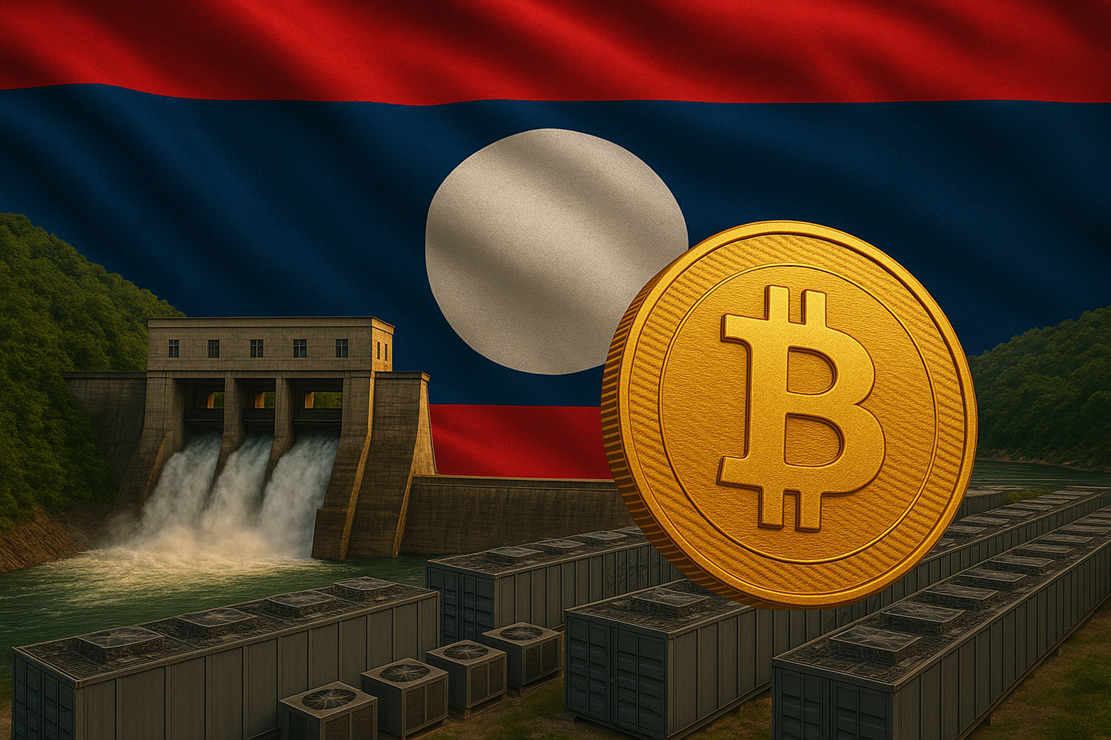
Laos is currently investigating innovative methods to manage its substantial financial obligations stemming from extensive hydropower development: specifically, by leveraging excess electricity for bitcoin mining. Recent reports indicate a significant shift, describing Laos—dubbed the “battery of Southeast Asia”—seeking to transform surplus energy into a profitable digital asset. This initiative is set against a backdrop of debt accumulation and power surplus, creating a unique opportunity and challenge for the nation.
Rationale Behind Laos’ Shift to Crypto Mining
The reasoning is clear and strategic. Bitcoin mining enables the conversion of energy into an asset with global liquidity. By situating mining operations nearby hydropower plants, Laos can circumvent issues with energy transmission and efficiently utilize seasonal energy surpluses. Over the past year, electricity exports have accounted for nearly a quarter of the nation’s total exports, revealing a reliance on energy sales that sometimes fails to align with production capacity, thereby creating cash flow complications for servicing foreign debts incurred from dam constructions.
However, environmental advocates are raising concerns, viewing the pivot towards cryptocurrency as indicative of a flawed energy policy that has left Laos in an economically precarious state. Witoon Permpongsacharoen from the Mekong Energy and Ecology Network noted that this shift towards Bitcoin mining is driven primarily by the country’s deep financial troubles rather than by a robust energy strategy.
This wouldn’t be Laos’s initial foray into digital currency mining. In September 2021, a pilot initiative was introduced, allowing selected firms to operate under regulated purchase agreements to mine Bitcoin and other cryptocurrencies. This move was largely seen as an attempt to attract miners that had been displaced following China’s regulatory crackdowns in the cryptocurrency sector.
Nonetheless, the approach has faced fluctuations due to challenges from environmental factors and grid limitations. In August 2023, the state utility, Électricité du Laos (EDL), suspended power supplies to Bitcoin miners due to drought conditions impacting overall electricity generation. Conversely, reports in May 2024 indicated that cryptocurrency data centers accounted for over a third of the nation’s power consumption, causing energy shortages and prompting authorities to halt new crypto mining approvals, even while considering stabilization measures.
The financial context highlights the renewed interest in this approach. According to projections from the world bank, external public debt obligations are expected to reach approximately $1.3 billion annually from 2025 to 2028, representing roughly 9% of the nation’s GDP, which amplifies the urgency in addressing financial sustainability as key hydropower projects are still being developed. Recent reports have also brought to light ongoing disputes, such as a $555 million arbitration case initiated by a Chinese dam operator against EDL over alleged unpaid bills, illustrating the mounting strain within the power sector.
However, the narrative surrounding “surplus power” is not straightforward. Hydropower production is notoriously inconsistent, subject to changes in rainfall patterns and climate dynamics, while agreements for electricity exports can be politically and logistically complex. Laos can generate excess electricity during the wet season but often relies on power imports during the dry season—highlighting the opportunities for flexible loads such as Bitcoin mining to capitalize on untapped energy resources until hydrological conditions shift.
Advocates of utilizing excess renewable energy see Laos as part of a larger trend. Daniel Batten, a Bitcoin climate activist, noted that various countries like Bhutan and Ethiopia are adopting similar strategies to leverage surplus renewable resources for cryptocurrency mining, marking a potential “vibe shift” for the energy landscape by 2025.
Moreover, Bhutan has made strides in promoting hydroelectric-powered mining as a meaningful financial strategy, labeling Bitcoin as a “strategic battery” for seasonal surplus utilization. Ethiopia’s energy authority reported earning approximately $55 million in just ten months from selling excess hydropower to crypto miners. Laos’s strategies would align with these models, tempered by its own unique environmental challenges and financial vulnerabilities.
At the time of publication, Bitcoin is trading at approximately $117,228.