The intersection of art and cryptocurrency is a burgeoning space, especially for South African artists looking to expand their reach and revenue streams. With the rise of digital art, NFTs, and decentralized finance, artists can leverage these technologies even on a tight budget. This guide will delve into how South African artists can navigate the crypto landscape effectively, ensuring they maximize their potential without breaking the bank.
Understanding Cryptocurrency Basics
Before diving into the specifics, it’s crucial to grasp the fundamentals of cryptocurrency. At its core, cryptocurrency is a digital or virtual form of currency that uses cryptography for security. Unlike traditional currencies, cryptocurrencies operate on decentralized networks based on blockchain technology.
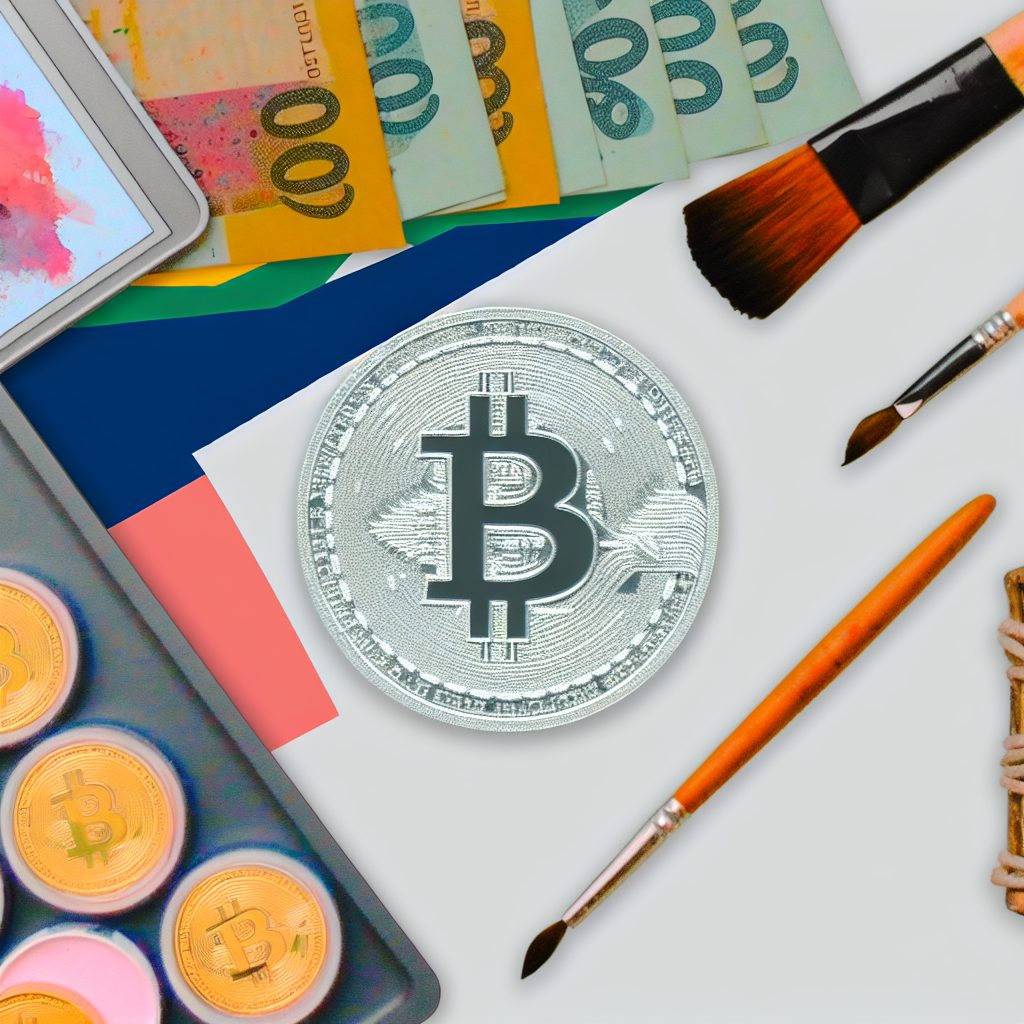
- Blockchain: A distributed ledger that records all transactions across a network of computers.
- Wallets: Digital tools that allow users to store and manage their cryptocurrencies.
- Exchanges: Platforms where users can buy, sell, or trade cryptocurrencies.
For artists, understanding these concepts is essential as they form the backbone of engaging with the crypto economy.
Why Should Artists Consider Crypto?
There are several compelling reasons for South African artists to explore cryptocurrency:
- Global Reach: Crypto allows artists to sell their work to a global audience without the limitations of traditional banking systems.
- Lower Transaction Fees: Compared to traditional payment methods, crypto transactions often incur lower fees, which is beneficial for artists on a budget.
- Ownership and Authenticity: Blockchain technology ensures that digital art can be verified for authenticity, which is crucial in the art world.
- New Revenue Streams: NFTs (Non-Fungible Tokens) provide artists with innovative ways to monetize their work.
Getting Started with Cryptocurrency
For artists new to the crypto space, the first step is to acquire some cryptocurrency. Here’s how to do it without overspending:
1. Choose a Reliable Exchange
Selecting the right exchange is vital. Look for platforms that offer low fees and a user-friendly interface. Some popular exchanges include:
These platforms often have educational resources that can help you understand the market better.
2. Set Up a Digital Wallet
Once you have chosen an exchange, the next step is to set up a digital wallet. There are various types of wallets:
- Hot Wallets: These are online wallets that are easy to access but may be less secure.
- Cold Wallets: Offline wallets that provide enhanced security for long-term storage.
For artists, a hot wallet may be sufficient for day-to-day transactions, while a cold wallet can be used for storing larger amounts of cryptocurrency.
3. Start Small
As a budget-conscious artist, it’s wise to start with a small investment. Consider purchasing a fraction of a cryptocurrency, such as Bitcoin or Ethereum, to familiarize yourself with the market dynamics.
Exploring NFTs: A New Frontier for Artists
Non-Fungible Tokens (NFTs) have revolutionized how artists can sell their work. Unlike cryptocurrencies, which are interchangeable, NFTs are unique digital assets that represent ownership of a specific item, such as artwork.
1. Creating Your First NFT
To create an NFT, follow these steps:
- Choose a Marketplace: Platforms like OpenSea and Foundation are popular choices.
- Mint Your NFT: Upload your artwork and follow the platform’s instructions to mint your NFT.
- Set a Price: Decide whether to sell your NFT at a fixed price or through an auction.
Minting an NFT usually incurs a fee known as “gas fees,” which can vary based on network congestion. Be sure to check the current rates before proceeding.
2. Marketing Your NFT
Once your NFT is live, marketing is crucial. Here are some effective strategies:
- Social Media: Utilize platforms like Instagram and Twitter to showcase your work and engage with potential buyers.
- Collaborations: Partner with other artists or influencers to expand your reach.
- Community Engagement: Join crypto and art communities on platforms like Discord and Reddit to connect with like-minded individuals.
Leveraging DeFi for Artists
Decentralized Finance (DeFi) offers artists innovative ways to manage their finances. Here’s how you can leverage DeFi:
1. Earning Interest on Your Crypto
Many DeFi platforms allow you to earn interest on your cryptocurrency holdings. By depositing your assets into a liquidity pool, you can earn passive income. Some popular DeFi platforms include:
2. Accessing Loans
If you need funds for a project, DeFi platforms can provide loans without the need for traditional credit checks. This can be particularly beneficial for artists who may not have a conventional financial history.
Budgeting for Crypto Investments
Managing your finances is crucial when venturing into the crypto space. Here are some budgeting tips:
- Set a Budget: Determine how much you can afford to invest without impacting your daily living expenses.
- Track Your Investments: Use tools like CoinMarketCap to monitor your portfolio.
- Stay Informed: Follow crypto news and trends to make informed decisions about your investments.
Common Challenges and How to Overcome Them
While the crypto space offers numerous opportunities, it also comes with challenges. Here are some common issues South African artists may face and how to tackle them:
1. Volatility
The cryptocurrency market is known for its price fluctuations. To mitigate risks:
- Diversify: Don’t put all your funds into one cryptocurrency. Spread your investments across different assets.
- Stay Informed: Keep up with market trends and news to make timely decisions.
2. Security Concerns
With the rise of crypto, security threats have also increased. Protect your assets by:
- Using Strong Passwords: Ensure your wallets and accounts have strong, unique passwords.
- Enabling Two-Factor Authentication: This adds an extra layer of security to your accounts.
FAQs
What is the best cryptocurrency for artists to invest in?
While Bitcoin and Ethereum are popular choices, artists may also consider investing in platforms that focus on NFTs, such as Flow or Tezos.
How can I sell my art for cryptocurrency?
You can sell your art through NFT marketplaces or directly to buyers who are willing to pay in cryptocurrency. Ensure you have a digital wallet set up to receive payments.
Are there any risks associated with investing in cryptocurrency?
Yes, the crypto market is highly volatile, and investments can fluctuate significantly. It’s essential to do thorough research and only invest what you can afford to lose.
Conclusion
For South African artists, the world of cryptocurrency presents exciting opportunities to expand their reach and revenue streams. By understanding the basics of crypto, exploring NFTs, and leveraging DeFi, artists can navigate this landscape effectively, even on a budget. Remember to stay informed, budget wisely, and engage with the community to maximize your potential in this innovative space.
For more insights and updates on cryptocurrency, visit Bitrabo, your trusted source for crypto news, airdrops, and new listings alerts. Follow us on X, Instagram, Threads, Facebook, and LinkedIn for the latest updates.
Disclaimer: This article is for informational purposes only and should not be considered financial advice. Always do your own research before making any investment decisions.