The adoption of cryptocurrency in Ethiopia has seen a remarkable rise in recent years, transforming the financial landscape for many citizens. As the country embraces digital currencies, understanding how Ethiopians integrate crypto into their daily lives is essential. This guide delves into the various ways cryptocurrency is utilized in Ethiopia, highlighting its impact on commerce, remittances, and financial inclusion.
The Rise of Cryptocurrency in Ethiopia
In the past few years, Ethiopia has emerged as a significant player in the African cryptocurrency scene. The Ethiopian government has recognized the potential of blockchain technology and digital currencies, leading to initiatives aimed at fostering innovation and financial inclusion.
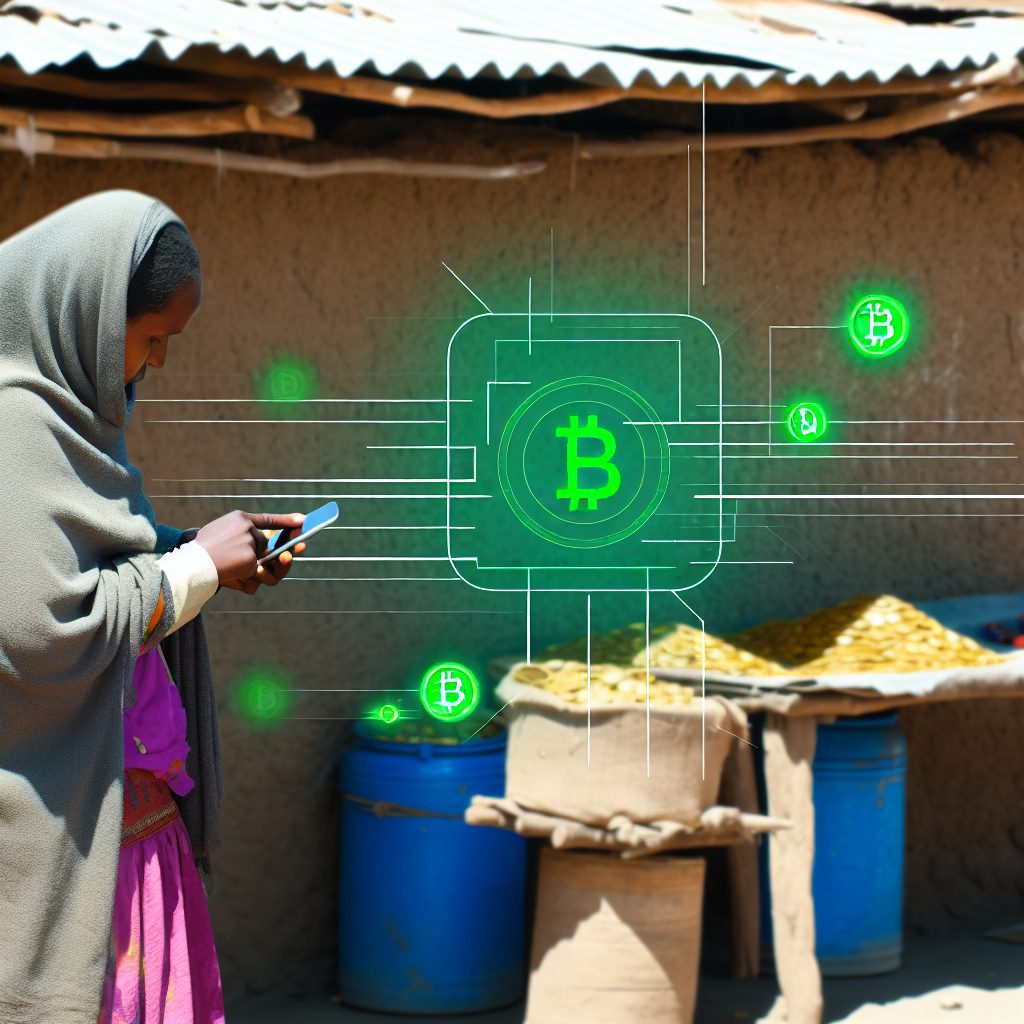
According to a report by CoinDesk, the Ethiopian government has been exploring the implementation of a central bank digital currency (CBDC) to enhance the efficiency of its financial system. This move has encouraged citizens to engage with cryptocurrencies, paving the way for broader acceptance.
Everyday Uses of Cryptocurrency in Ethiopia
Cryptocurrency is not just a speculative investment in Ethiopia; it has practical applications that enhance everyday life. Here are some of the primary ways Ethiopians are using crypto:
1. Remittances
Remittances play a crucial role in the Ethiopian economy, with millions of citizens relying on funds sent from abroad. Traditional remittance channels often involve high fees and lengthy processing times. Cryptocurrencies offer a faster and cheaper alternative.
- Lower Fees: Using cryptocurrencies like Bitcoin or Ethereum can significantly reduce transaction costs compared to traditional remittance services.
- Speed: Transactions can be completed within minutes, allowing families to access funds quickly.
- Accessibility: With a smartphone and internet access, anyone can send or receive crypto, making it easier for those in remote areas.
Many Ethiopians are turning to platforms like Remitano to facilitate these transactions, ensuring that they can send money home without the burden of excessive fees.
2. E-commerce and Online Shopping
The growth of e-commerce in Ethiopia has been accelerated by the adoption of cryptocurrencies. Local businesses are beginning to accept digital currencies as a form of payment, providing customers with more options.
- Increased Options: Consumers can purchase goods and services from local and international vendors who accept crypto.
- Security: Cryptocurrency transactions are secure and can protect users from fraud.
- Global Reach: Businesses can tap into international markets without the complications of currency exchange.
Platforms like Shopify are enabling Ethiopian merchants to accept cryptocurrencies, further driving the trend of digital payments.
3. Investment Opportunities
As awareness of cryptocurrencies grows, many Ethiopians are exploring investment opportunities in the crypto market. This trend is particularly appealing to the younger generation, who are more tech-savvy and open to new financial instruments.
- Diversification: Investing in cryptocurrencies allows individuals to diversify their portfolios beyond traditional assets.
- Potential for High Returns: The volatile nature of crypto markets can lead to significant profits for savvy investors.
- Access to Global Markets: Ethiopians can invest in a wide range of cryptocurrencies, gaining exposure to global trends.
Local exchanges like Bitrabo provide a platform for users to buy, sell, and trade cryptocurrencies, making it easier for Ethiopians to enter the market.
4. Financial Inclusion
Cryptocurrency is playing a vital role in promoting financial inclusion in Ethiopia. With a significant portion of the population unbanked, digital currencies offer an alternative to traditional banking systems.
- Access to Financial Services: Cryptocurrencies provide access to financial services for those without bank accounts.
- Empowerment: Individuals can take control of their finances without relying on intermediaries.
- Microloans: Crypto can facilitate microloans, enabling entrepreneurs to start small businesses.
Initiatives like Kiva are leveraging blockchain technology to provide microloans to Ethiopian entrepreneurs, fostering economic growth.
Challenges Facing Cryptocurrency Adoption in Ethiopia
Despite the promising growth of cryptocurrency in Ethiopia, several challenges hinder its widespread adoption:
1. Regulatory Uncertainty
The regulatory environment for cryptocurrencies in Ethiopia is still evolving. While the government is exploring the potential of digital currencies, clear regulations are yet to be established. This uncertainty can deter potential investors and users.
2. Lack of Awareness and Education
Many Ethiopians are still unfamiliar with cryptocurrencies and how they work. Educational initiatives are crucial to inform the public about the benefits and risks associated with digital currencies.
3. Infrastructure Limitations
Access to reliable internet and electricity remains a challenge in some regions of Ethiopia. These infrastructural limitations can hinder the ability to engage with cryptocurrencies effectively.
The Future of Cryptocurrency in Ethiopia
The future of cryptocurrency in Ethiopia looks promising, with several factors contributing to its growth:
- Government Support: Continued interest from the government in blockchain technology and digital currencies can lead to a more favorable regulatory environment.
- Technological Advancements: Improvements in internet and mobile technology will enhance access to cryptocurrencies.
- Community Initiatives: Local organizations and communities are increasingly promoting the use of cryptocurrencies, fostering a culture of innovation.
As Ethiopia continues to embrace digital currencies, the potential for economic growth and financial inclusion remains significant.
FAQs
1. Is cryptocurrency legal in Ethiopia?
As of 2025, cryptocurrency is not officially recognized as legal tender in Ethiopia, but the government is exploring regulations to facilitate its use.
2. How can I buy cryptocurrency in Ethiopia?
You can buy cryptocurrency through local exchanges like Bitrabo or peer-to-peer platforms that connect buyers and sellers.
3. What are the risks of using cryptocurrency?
Risks include market volatility, regulatory uncertainty, and the potential for fraud. It’s essential to conduct thorough research before investing.
4. Can I use cryptocurrency for everyday purchases in Ethiopia?
Yes, an increasing number of local businesses are accepting cryptocurrencies as a form of payment, especially in urban areas.
Conclusion
The integration of cryptocurrency into everyday life in Ethiopia is a testament to the country’s adaptability and innovation. From remittances to e-commerce, digital currencies are reshaping how Ethiopians conduct transactions and manage their finances. As the regulatory landscape evolves and awareness grows, the potential for cryptocurrency to drive economic growth and financial inclusion remains significant.
For the latest updates on cryptocurrency news, airdrops, and market trends, visit Bitrabo. Follow us on social media for real-time updates: X, Instagram, Threads, Facebook, and LinkedIn.
Disclaimer: This article is for informational purposes only and does not constitute financial advice. Always conduct your own research before making investment decisions.