The cryptocurrency landscape in Africa is rapidly evolving, presenting unique opportunities for investors. With a growing number of blockchain projects and an increasing adoption of digital currencies, understanding how to navigate this market is crucial. This guide will provide a comprehensive overview of how to invest in crypto projects in Africa, covering essential strategies, risks, and opportunities.
Understanding the African Crypto Landscape
Africa is home to a diverse range of economies, cultures, and technological advancements. The continent has seen a surge in cryptocurrency adoption, driven by factors such as:
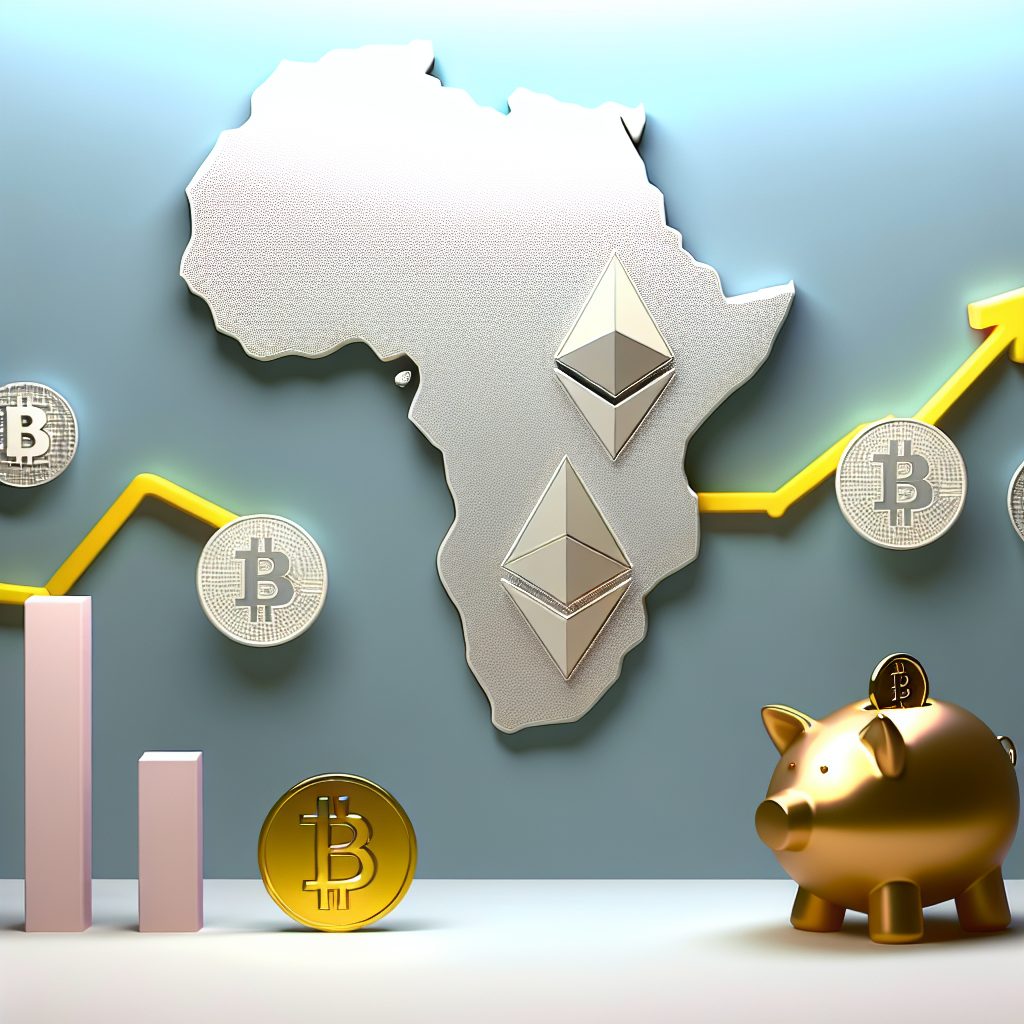
- Financial Inclusion: Many Africans lack access to traditional banking services, making cryptocurrencies an attractive alternative.
- Remittances: Cryptocurrencies offer a cheaper and faster way to send money across borders.
- Investment Opportunities: The rise of blockchain technology has led to numerous innovative projects aimed at solving local problems.
As of 2025, several countries in Africa, including Nigeria, Kenya, and South Africa, are leading the charge in cryptocurrency adoption. Understanding the local regulations and market dynamics is essential for successful investment.
Researching Crypto Projects
Before investing in any cryptocurrency project, thorough research is vital. Here are key steps to consider:
1. Identify Promising Projects
Look for projects that address specific challenges within the African context. Some areas to focus on include:
- Agriculture: Projects that use blockchain for supply chain transparency.
- Healthcare: Solutions that improve access to medical services through decentralized platforms.
- Education: Initiatives that leverage blockchain for credential verification and learning resources.
2. Analyze the Whitepaper
The whitepaper is a critical document that outlines the project’s vision, technology, and roadmap. Key elements to evaluate include:
- Problem Statement: Does the project address a real issue?
- Technology: Is the technology feasible and innovative?
- Team: Are the founders and developers experienced and credible?
3. Community Engagement
A strong community can be a good indicator of a project’s potential success. Engage with the community through:
- Social Media: Follow the project on platforms like Twitter and Telegram.
- Forums: Participate in discussions on platforms like Reddit and Bitcointalk.
- Meetups: Attend local crypto events to network and learn more.
Choosing the Right Investment Strategy
Investing in cryptocurrencies can be approached in various ways. Here are some strategies to consider:
1. Long-Term Holding (HODLing)
This strategy involves buying and holding cryptocurrencies for an extended period, regardless of market fluctuations. It is suitable for investors who believe in the long-term potential of a project.
2. Trading
Active trading involves buying and selling cryptocurrencies based on market trends. This strategy requires a good understanding of technical analysis and market indicators.
3. Staking and Yield Farming
Some projects offer staking or yield farming opportunities, allowing investors to earn passive income by locking up their tokens. Research the specific requirements and risks associated with these options.
Understanding Risks and Challenges
Investing in crypto projects in Africa comes with its own set of risks. Being aware of these challenges can help mitigate potential losses:
- Regulatory Risks: Cryptocurrency regulations vary by country and can change rapidly.
- Market Volatility: Cryptocurrencies are known for their price fluctuations, which can lead to significant gains or losses.
- Scams and Fraud: The crypto space is rife with scams. Always conduct due diligence before investing.
How to Buy Cryptocurrencies in Africa
Once you have identified a project to invest in, the next step is purchasing the cryptocurrency. Here’s how to do it:
1. Choose a Cryptocurrency Exchange
Select a reputable exchange that operates in your country. Some popular exchanges in Africa include:
- Binance: Offers a wide range of cryptocurrencies and trading pairs.
- Luno: Focuses on emerging markets and provides a user-friendly interface.
- Valr: A South African exchange known for its low fees and security features.
2. Create an Account
Sign up for an account on your chosen exchange. This process typically involves:
- Providing personal information.
- Verifying your identity.
- Setting up two-factor authentication for added security.
3. Deposit Funds
Deposit funds into your exchange account. Most exchanges accept various payment methods, including:
- Bank transfers.
- Credit and debit cards.
- Mobile money services.
4. Make Your Purchase
Once your account is funded, navigate to the trading section of the exchange. Select the cryptocurrency you wish to buy, enter the amount, and confirm your purchase.
Storing Your Cryptocurrencies Safely
After purchasing cryptocurrencies, it’s crucial to store them securely. Here are some storage options:
1. Hot Wallets
Hot wallets are online wallets that are connected to the internet. They are convenient for frequent trading but are more vulnerable to hacks. Examples include:
- Exchange wallets.
- Mobile wallets like Trust Wallet.
2. Cold Wallets
Cold wallets are offline storage solutions that provide enhanced security. They are ideal for long-term holding. Options include:
- Hardware wallets like Ledger and Trezor.
- Paper wallets, which involve printing your private keys.
Tax Implications of Crypto Investments in Africa
Understanding the tax implications of cryptocurrency investments is essential. Tax regulations vary by country, but common considerations include:
- Capital Gains Tax: Many countries tax profits made from selling cryptocurrencies.
- Income Tax: Earnings from staking or trading may be subject to income tax.
- Reporting Requirements: Some jurisdictions require investors to report their crypto holdings.
Consult a tax professional familiar with cryptocurrency regulations in your country to ensure compliance.
Future Trends in African Crypto Investments
The future of cryptocurrency investments in Africa looks promising. Key trends to watch include:
- Increased Regulation: As the market matures, more countries are likely to implement clear regulations.
- Institutional Investment: More institutional players are entering the market, which could lead to increased legitimacy.
- Technological Advancements: Innovations in blockchain technology will continue to drive new projects and investment opportunities.
FAQs
What is the best way to start investing in cryptocurrencies in Africa?
Begin by researching promising projects, choosing a reputable exchange, and understanding the risks involved. Start with a small investment to familiarize yourself with the market.
Are cryptocurrencies legal in Africa?
The legality of cryptocurrencies varies by country. Some nations have embraced them, while others have imposed restrictions. Always check local regulations before investing.
How can I ensure the security of my crypto investments?
Use secure wallets, enable two-factor authentication, and be cautious of phishing scams. Regularly update your security practices to protect your investments.
What are the tax implications of investing in cryptocurrencies in Africa?
Tax regulations differ by country, but generally, profits from cryptocurrency sales may be subject to capital gains tax. Consult a tax professional for specific guidance.
Conclusion
Investing in crypto projects in Africa offers exciting opportunities, but it requires careful research and a solid understanding of the market. By following the strategies outlined in this guide, you can navigate the complexities of the African crypto landscape effectively. Stay informed about the latest developments and trends, and consider joining communities like Bitrabo for news, airdrops, and investment alerts. Follow Bitrabo on X, Instagram, Threads, Facebook, and LinkedIn to stay connected.
Disclaimer: This article is for informational purposes only and should not be considered financial advice. Always conduct your own research and consult with a financial advisor before making investment decisions.