The advent of blockchain technology has catalyzed the emergence of new financial paradigms, particularly through cryptocurrencies associated with real-world assets (RWAs). This evolution is drawing attention from many regulatory bodies, including the International Organization of Securities Commissions (IOSCO), which recently acknowledged the potential risks tied to these innovations for investors.
A recent report from IOSCO emphasizes that while many of the risks related to tokenization align with existing regulatory frameworks, novel vulnerabilities could stem from the underlying technology itself. This illustrates the complexity and rapid transformation within the financial landscape.
Wall Street’s Stance on Tokenization
Tokenization—the process of creating blockchain-based tokens that correspond to tangible assets such as real estate or commodities—has captured significant interest this year. Financial institutions are increasingly introducing tokenized products through digital platforms.
Tuang Lee Lim, chair of the IOSCO fintech taskforce, highlighted in a recent discussion that despite the cautious adoption, tokenization holds the potential to revolutionize the methods utilized for issuing and trading financial products.
Nonetheless, the IOSCO report raises concerns that the varied configurations of tokenized assets could lead to misunderstandings among investors. They may find themselves unable to confirm if they possess the actual asset or just its digital representation.
Moreover, the presence of third-party token issuers introduces additional counterparty risks, reinforcing worries voiced by the European Union’s securities authority in a similar assessment last month.
IOSCO pointed out that this new exposure might become more pronounced as connections to the broader cryptocurrency ecosystem deepen.
In spite of these challenges, prominent financial entities like Nasdaq are advancing with their own tokenization projects, indicating a willingness to embrace change.
Will Peck from WisdomTree noted that tokenization could provide an innovative way to hold traditional assets like gold digitally, enabling features like round-the-clock trading and direct transfers between users. This could also serve as collateral in loan arrangements, presenting a safeguard against currency depreciation.
Voices from Industry Leaders
While interest in tokenization continues to grow, the IOSCO report stresses that actual implementation has not accelerated proportionally.
Supporters of tokenized assets contend that blockchain can diminish trading expenses, speed up transaction settlements, and engage a younger investor base.
However, IOSCO expressed reservations regarding these claimed benefits, pointing out that any efficiency improvements remain “variable” because market participants still depend on traditional infrastructures alongside blockchain, rather than fully transitioning to the new technology.
In the United States, the push toward tokenization has gained traction alongside fresh legislation this year, driving an uptick in stablecoin usage. The intersection of crypto culture with mainstream finance is becoming increasingly pronounced.
Vlad Tenev of Robinhood described tokenization as an inevitable force, while Larry Fink from BlackRock suggested that the potential implications of tokenization may be transformative for investing globally.
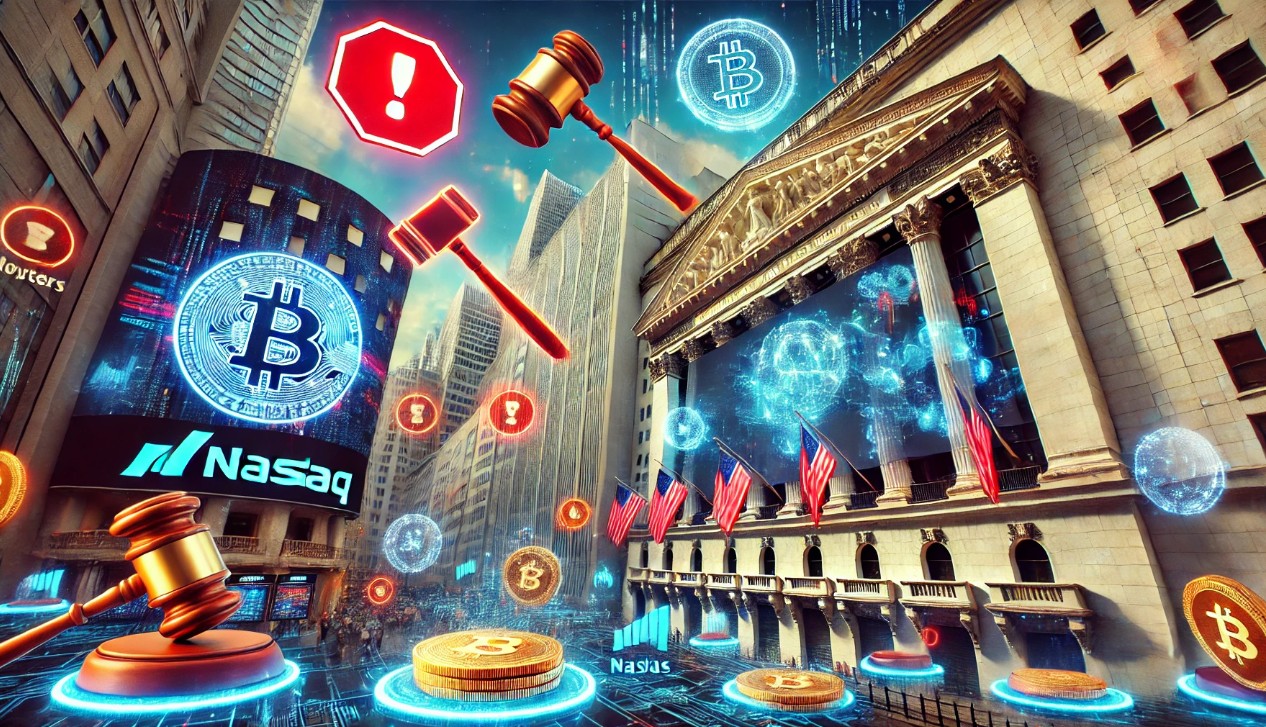
Image courtesy of DALL-E; analytics from TradingView.com.