In the dynamic world of cryptocurrency trading, mastering the art of buying and selling digital assets is crucial for success. For both beginners and seasoned traders, utilizing demo accounts can be a game-changer. This guide will delve into the intricacies of practicing trading with demo accounts, providing you with the knowledge and tools necessary to navigate the crypto market effectively.
What is a Demo Account?
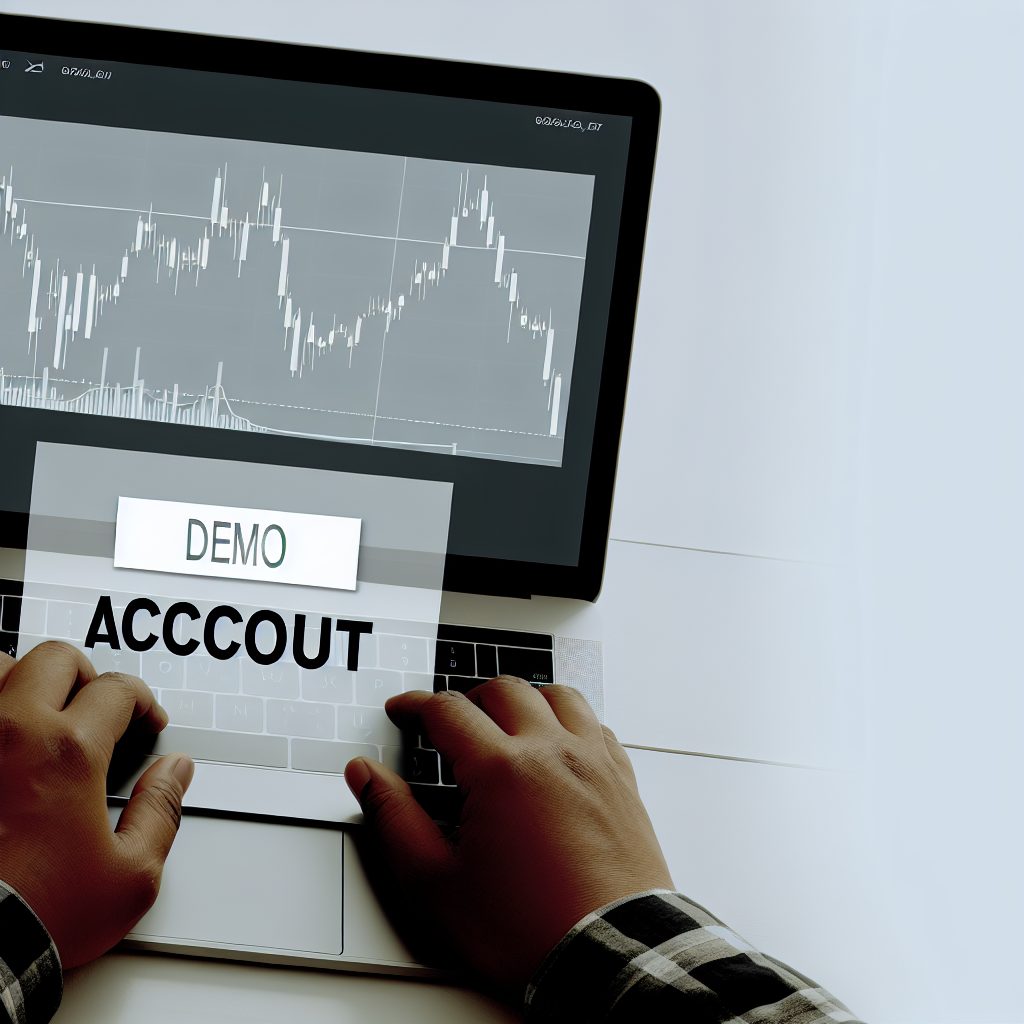
A demo account is a simulated trading environment that allows users to practice trading without risking real money. It mimics the actual trading experience, providing access to real-time market data and a variety of trading tools. This is particularly beneficial in the cryptocurrency market, where volatility can lead to significant gains or losses.
Why Use a Demo Account for Cryptocurrency Trading?
There are several compelling reasons to use a demo account when venturing into cryptocurrency trading:
- Risk-Free Environment: A demo account allows you to trade without the fear of losing real money, making it an ideal platform for beginners.
- Familiarization with Trading Platforms: Different exchanges and trading platforms have unique interfaces and tools. A demo account helps you become comfortable with these features.
- Strategy Testing: You can experiment with various trading strategies to see what works best for you without financial repercussions.
- Market Understanding: Practicing with a demo account helps you understand market trends, price movements, and trading signals.
- Emotional Control: Trading can be emotionally taxing. A demo account allows you to practice maintaining discipline and emotional control without the pressure of real money.
How to Choose the Right Demo Account
Not all demo accounts are created equal. Here are some factors to consider when selecting a demo account for cryptocurrency trading:
- Reputation of the Platform: Choose a well-established trading platform with positive reviews and a solid reputation in the crypto community.
- Realistic Trading Conditions: Ensure that the demo account offers conditions that closely resemble real trading, including spreads, fees, and market depth.
- Variety of Cryptocurrencies: Look for a demo account that provides access to a wide range of cryptocurrencies, allowing you to practice trading different assets.
- User-Friendly Interface: A platform with an intuitive interface will make it easier for you to navigate and execute trades.
- Educational Resources: Some platforms offer tutorials, webinars, and other educational materials that can enhance your trading knowledge.
Steps to Start Practicing with a Demo Account
Getting started with a demo account is straightforward. Follow these steps to begin your trading journey:
1. Select a Trading Platform
Research and choose a reputable cryptocurrency trading platform that offers a demo account. Some popular options include:
2. Create an Account
Once you’ve selected a platform, sign up for an account. This typically involves providing your email address and creating a password. Some platforms may require additional verification steps.
3. Access the Demo Account
After creating your account, navigate to the demo account section. Most platforms will have a dedicated area for demo trading, where you can access virtual funds to start trading.
4. Familiarize Yourself with the Interface
Take time to explore the platform’s interface. Familiarize yourself with the various tools, charts, and features available. Understanding how to navigate the platform will enhance your trading experience.
5. Start Trading
Begin by placing trades using the virtual funds in your demo account. Experiment with different cryptocurrencies, trading pairs, and strategies. Monitor your trades and analyze the outcomes to learn from your successes and mistakes.
Effective Strategies for Demo Trading
While practicing with a demo account, it’s essential to implement effective trading strategies. Here are some strategies to consider:
1. Trend Following
Trend following involves identifying and trading in the direction of the prevailing market trend. Use technical analysis tools, such as moving averages, to determine the trend direction and make informed trading decisions.
2. Scalping
Scalping is a short-term trading strategy that involves making quick trades to capitalize on small price movements. This strategy requires a keen eye for market fluctuations and quick decision-making skills.
3. Swing Trading
Swing trading involves holding positions for several days or weeks to capture price swings. This strategy is suitable for traders who prefer a more relaxed approach compared to day trading.
4. Arbitrage
Arbitrage takes advantage of price discrepancies between different exchanges. By buying a cryptocurrency at a lower price on one exchange and selling it at a higher price on another, traders can profit from the difference.
5. Risk Management
Implementing risk management strategies is crucial for long-term success. Set stop-loss orders to limit potential losses and diversify your portfolio to mitigate risks.
Common Mistakes to Avoid While Demo Trading
While demo trading is a valuable learning experience, it’s essential to avoid common pitfalls:
- Neglecting Risk Management: Just because you’re using virtual funds doesn’t mean you should ignore risk management principles.
- Overtrading: Avoid the temptation to make excessive trades. Focus on quality over quantity.
- Ignoring Market Conditions: Treat demo trading seriously. Pay attention to market trends and news that could impact prices.
- Failing to Develop a Trading Plan: A well-defined trading plan is essential for success. Outline your goals, strategies, and risk tolerance.
- Getting Too Comfortable: Remember that demo trading is not the same as real trading. Stay disciplined and treat it as a serious endeavor.
Transitioning from Demo to Live Trading
Once you feel confident in your trading skills, it may be time to transition to live trading. Here are some tips for making this transition smoothly:
1. Start Small
Begin with a small investment to minimize risk as you adjust to live trading conditions. Gradually increase your investment as you gain confidence.
2. Stick to Your Trading Plan
Maintain the same trading plan you developed during your demo trading. Consistency is key to achieving long-term success.
3. Monitor Your Emotions
Live trading can evoke strong emotions. Be aware of how emotions can impact your decision-making and strive to remain disciplined.
4. Keep Learning
The cryptocurrency market is constantly evolving. Stay informed about market trends, news, and developments to enhance your trading skills.
FAQs About Demo Trading in Cryptocurrency
1. How long should I practice on a demo account?
The duration of practice on a demo account varies by individual. Spend enough time to become comfortable with the platform and develop a trading strategy, typically a few weeks to a few months.
2. Can I make real money using a demo account?
No, demo accounts use virtual funds, so any profits or losses are not real. However, they provide valuable experience that can translate into real trading success.
3. Are demo accounts available for all cryptocurrencies?
Most reputable trading platforms offer demo accounts with access to a variety of cryptocurrencies. Check the platform’s offerings before signing up.
4. Is it necessary to use a demo account before live trading?
While it’s not mandatory, using a demo account is highly recommended, especially for beginners. It helps build confidence and understanding of the trading process.
5. Can I switch from a demo account to a live account easily?
Yes, most platforms allow you to transition from a demo account to a live account seamlessly. You may need to complete additional verification steps for a live account.
Conclusion
Practicing trading with demo accounts is an invaluable step for anyone looking to succeed in the cryptocurrency market. By providing a risk-free environment to learn and experiment, demo accounts empower traders to develop their skills and strategies. Remember to choose a reputable platform, stay disciplined, and continuously educate yourself about market trends.
For more insights, news, and updates in the cryptocurrency space, consider joining the Bitrabo Community. Follow us on X, Instagram, Threads, Facebook, and LinkedIn for the latest updates, airdrops, and trading signals.
Disclaimer: The information provided in this article is for educational purposes only and should not be considered financial advice. Always conduct your own research and consult with a financial advisor before making investment decisions.