This recent action by Tether illustrates the company’s ongoing commitment to compliance and regulatory cooperation in the cryptocurrency space. As the digital currency landscape evolves, Tether remains vigilant against illicit activities that could undermine the market.
Tether’s Commitment to Compliance
In its official announcement, Tether emphasized that the freezing of these assets is a normal aspect of its operations. The decision was prompted by intelligence regarding potential violations of sanctions.
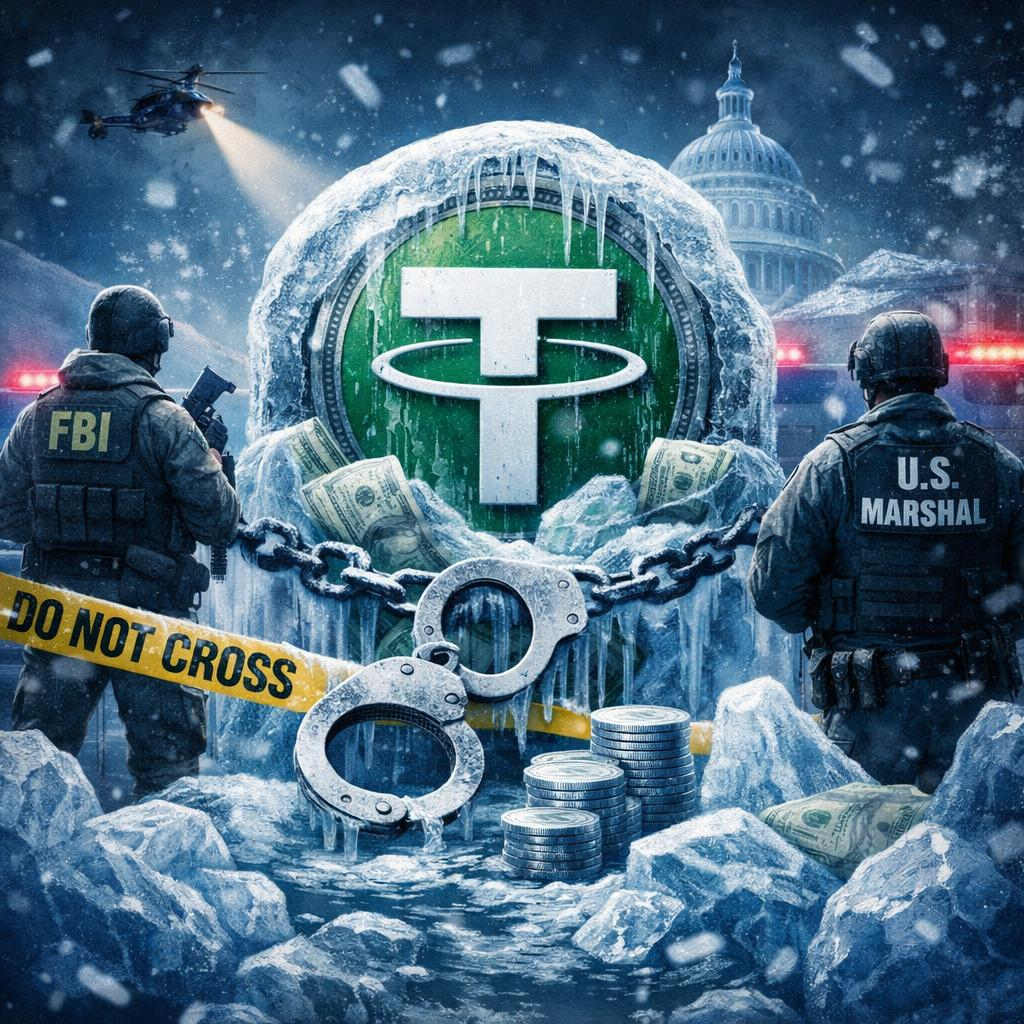
This proactive approach reinforces Tether’s dedication to maintaining integrity within the cryptocurrency ecosystem. By collaborating with over 340 agencies globally, Tether exemplifies how blockchain-based companies can work alongside traditional financial regulations.
Paolo Ardoino, the CEO, reiterated that USDT is not a refuge for illicit activity. He assured stakeholders that any credible threat associated with sanctioned groups triggers immediate action by Tether.
Tether has claimed responsibility in over 2,300 instances of successful asset recovery, with significant contributions to law enforcement in the United States.
Challenges Facing Circle
As Tether takes decisive actions, Circle, the issuer of USDC, is facing heightened scrutiny and criticism for its lagging responses. Concerns were raised following various security breaches where Circle allegedly failed to act swiftly.
The situation escalated after the Drift Protocol incident, where considerable funds were lost. Stakeholders questioned Circle’s ability to secure its users and assets adequately.
Legal troubles for Circle have emerged, including a lawsuit related to the Drift Protocol hack. Reports highlight that Circle had both the ability and authority to freeze the stolen assets but did not take action.
According to court documents, attackers allegedly transferred upwards of $230 million to alternate blockchains, exposing a critical gap in Circle’s asset protection strategy.
As this narrative unfolds, the contrast between Circle’s response and Tether’s proactive measures raises important questions about compliance and security priorities within the industry.
In a surprising move, Tether has also engaged with the Drift Protocol to aid in asset recovery efforts, potentially restoring confidence in the project amid regulatory challenges.
This collaborative plan could involve a significant financial commitment from Tether, showcasing its willingness to support recovery initiatives within the blockchain community.
In conclusion, as Tether strengthens its position through compliance and proactive actions, other stablecoin issuers such as Circle must reassess their response strategies to protect users and comply with legal standards.
Image provided by OpenArt, data visualized in TradingView.