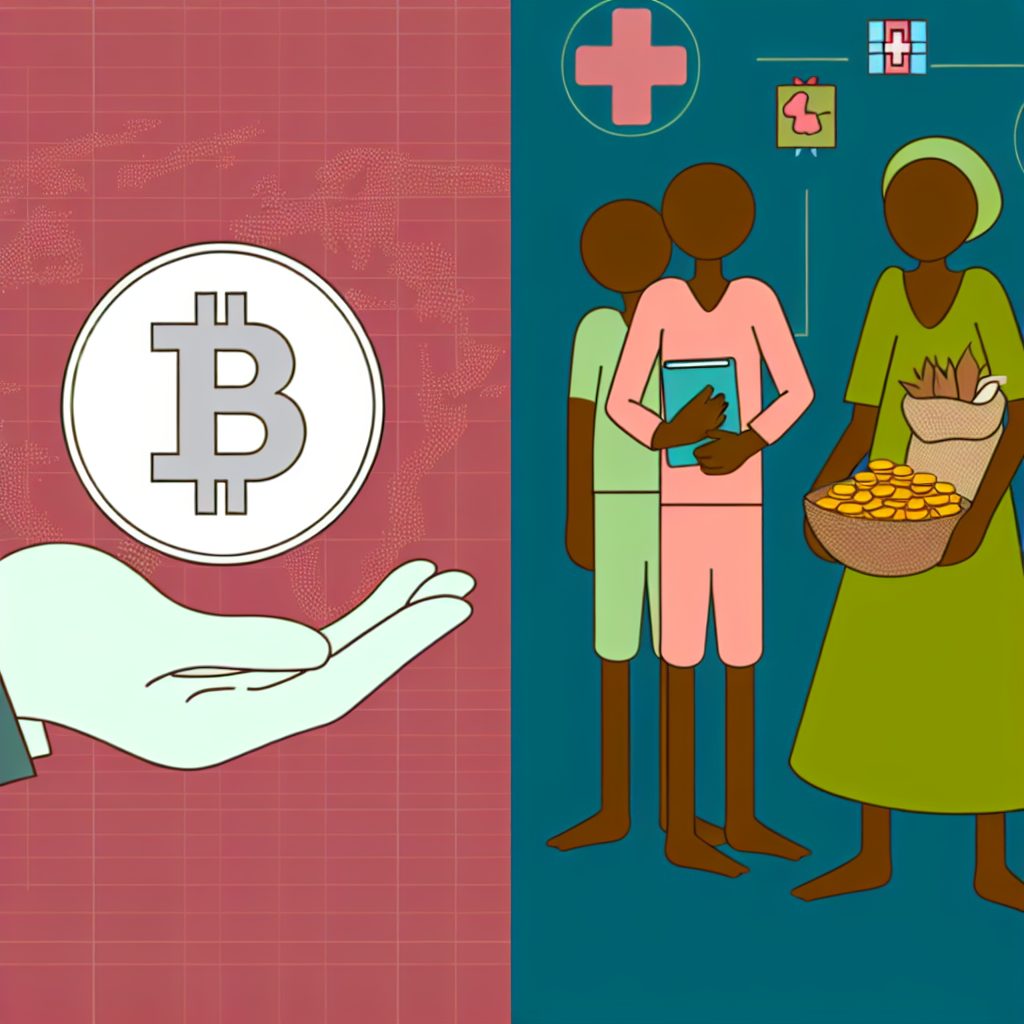
Cryptocurrency has emerged as a transformative force in various sectors, including philanthropy. In Africa, where traditional banking systems may be limited, the use of crypto for charity presents unique opportunities. This guide delves into how individuals and organizations can leverage cryptocurrency to support charitable causes across the continent.
Understanding Cryptocurrency and Its Benefits for Charity
Cryptocurrency is a digital or virtual form of currency that uses cryptography for security. Unlike traditional currencies, cryptocurrencies operate on decentralized networks based on blockchain technology. This decentralization offers several advantages for charitable giving:
- Transparency: Blockchain technology allows for transparent tracking of donations, ensuring that funds are used as intended.
- Lower Transaction Fees: Crypto transactions often incur lower fees compared to traditional banking methods, maximizing the amount that reaches the charity.
- Global Reach: Cryptocurrencies can be sent and received anywhere in the world, making it easier to support causes in remote areas.
- Anonymity: Donors can choose to remain anonymous, which may encourage more people to contribute.
Popular Cryptocurrencies for Charitable Donations
While there are thousands of cryptocurrencies available, some have gained popularity specifically for charitable donations:
- Bitcoin (BTC): The first and most widely recognized cryptocurrency, Bitcoin is accepted by many charities worldwide.
- Ethereum (ETH): Known for its smart contract capabilities, Ethereum allows for innovative donation mechanisms.
- Ripple (XRP): With its focus on fast and low-cost transactions, Ripple is ideal for international donations.
- Litecoin (LTC): Often referred to as the silver to Bitcoin’s gold, Litecoin offers faster transaction times.
How to Donate Cryptocurrency to Charities in Africa
Donating cryptocurrency to charities in Africa involves several steps:
1. Research Charities Accepting Crypto
Before making a donation, it’s crucial to identify reputable charities that accept cryptocurrency. Some well-known organizations include:
- GiveDirectly: This organization provides cash transfers to low-income families in Africa.
- Charity: Water: Focused on providing clean drinking water, this charity accepts Bitcoin donations.
- Save the Children: This global organization supports children in need and accepts various cryptocurrencies.
2. Set Up a Cryptocurrency Wallet
To donate crypto, you need a digital wallet. There are several types of wallets:
- Hot Wallets: These are online wallets that are easy to access but may be less secure.
- Cold Wallets: Offline wallets that provide enhanced security for storing cryptocurrencies.
- Mobile Wallets: Apps that allow you to manage your crypto on the go.
3. Purchase Cryptocurrency
If you don’t already own cryptocurrency, you can purchase it through exchanges like Binance, Coinbase, or Kraken. Ensure you follow local regulations when buying crypto.
4. Make the Donation
Once you have your cryptocurrency, navigate to the charity’s donation page. Most organizations will provide a wallet address or a QR code for you to send your donation. Always double-check the address to avoid sending funds to the wrong wallet.
Challenges of Using Crypto for Charity in Africa
While the benefits of using cryptocurrency for charity are significant, there are also challenges to consider:
- Regulatory Issues: Different countries in Africa have varying regulations regarding cryptocurrency, which can complicate donations.
- Volatility: The value of cryptocurrencies can fluctuate dramatically, affecting the amount received by charities.
- Lack of Awareness: Many potential donors may not be familiar with how to use cryptocurrency for charitable giving.
Case Studies: Successful Crypto Charity Initiatives in Africa
Several initiatives have successfully utilized cryptocurrency for charitable purposes in Africa:
1. Bitcoin for Africa
This initiative aims to raise funds for various projects across the continent, including education and healthcare. By leveraging Bitcoin, they have been able to reach donors globally.
2. The Ethereum Foundation
The Ethereum Foundation has funded several projects in Africa, focusing on technology and education. Their use of smart contracts ensures that funds are allocated efficiently.
How to Promote Crypto Charity Initiatives
To maximize the impact of crypto charity initiatives, effective promotion is essential:
- Social Media Campaigns: Utilize platforms like Twitter, Instagram, and Facebook to raise awareness and encourage donations.
- Partnerships: Collaborate with influencers and organizations to reach a broader audience.
- Educational Content: Create informative content that explains the benefits of donating cryptocurrency.
FAQs About Using Crypto for Charity in Africa
1. Is it safe to donate cryptocurrency to charities?
Yes, as long as you research the charity and ensure they are reputable. Look for organizations with a transparent donation process.
2. Can I get a tax deduction for donating cryptocurrency?
In many countries, donating cryptocurrency can provide tax benefits. Consult a tax professional for specific advice based on your location.
3. What if the charity I want to support doesn’t accept cryptocurrency?
You can encourage them to start accepting crypto or consider donating to a different organization that does.
4. How can I track my cryptocurrency donations?
Most blockchain networks allow you to track transactions. You can use a blockchain explorer to verify that your donation was received.
Conclusion
Utilizing cryptocurrency for charity in Africa presents a unique opportunity to enhance philanthropic efforts across the continent. By understanding the benefits, challenges, and processes involved, individuals and organizations can make a significant impact. As the crypto landscape continues to evolve, staying informed and engaged is crucial. For the latest updates and insights into the cryptocurrency world, consider joining the Bitrabo Community for news, airdrops, and more.
Follow Bitrabo on social media for real-time updates: X, Instagram, Threads, Facebook, LinkedIn.
Disclaimer: This article is for informational purposes only and does not constitute financial advice. Always conduct your own research before making any financial decisions.