The decentralized finance (DeFi) sector has gained tremendous traction over the past few years, reshaping the financial landscape by introducing innovative solutions that allow users to transact without traditional intermediaries. However, the growth of DeFi is intricately linked to the regulatory environment. Regulations can provide necessary structures but may also impose constraints. Understanding this impact is essential for stakeholders in the cryptocurrency arena.
Decentralized Finance: A Brief Overview
Decentralized finance refers to a blockchain-based form of finance that eliminates intermediaries in financial transactions. DeFi platforms utilize smart contracts on blockchains, primarily Ethereum, to facilitate various financial activities such as lending, borrowing, trading, and earning interest on crypto assets.
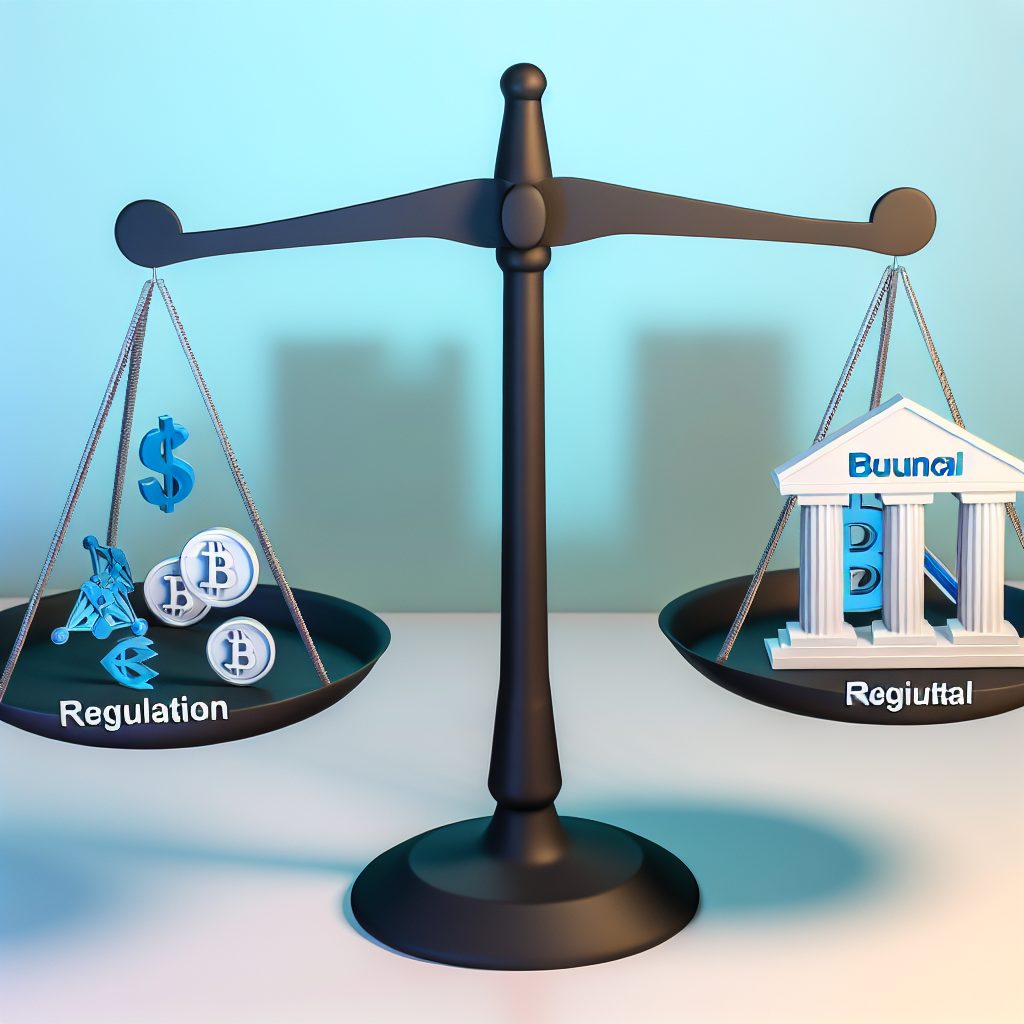
Why Regulatory Clarity Matters in DeFi
Regulations play a crucial role in establishing a secure environment for both consumers and projects. Clear regulatory frameworks can promote innovation, while vague or overly harsh regulations may inhibit growth. Here are some vital reasons why regulatory clarity is essential:
- Protection of Consumers: Regulations help protect consumers from fraud and scams, which are prevalent in the largely unregulated world of DeFi.
- Institutional Confidence: Clear guidelines attract institutional investors who may be hesitant to enter an ambiguous regulatory landscape.
- Market Stability: Regulatory oversight can create a more stable market environment, reducing risks associated with unpredictable regulations.
Current State of Regulations in DeFi
As of 2025, multiple jurisdictions around the world are taking steps to develop DeFi regulations. The involvement of government bodies varies significantly. Here’s how different regions are responding:
United States
The U.S. has been proactive in discussing regulatory frameworks surrounding cryptocurrencies and DeFi activities. Agencies like the SEC and CFTC are at the forefront, aiming to classify various tokens and platforms. Key challenges include:
- Determining whether DeFi projects qualify as securities.
- Ensuring compliance without stifling innovation.
European Union
The European Union is pursuing the MiCA (Markets in Crypto-Assets) regulation, aimed at providing clarity to crypto assets and DeFi platforms. This regulation is designed to protect consumers and ensure financial stability without compromising innovation.
Asia-Pacific Region
Countries like Singapore and Japan are also drafting regulations to guide DeFi practices. Singapore’s Monetary Authority (MAS) has taken a balanced approach, encouraging innovation while ensuring compliance. Conversely, China has imposed stricter regulations, limiting cryptocurrency trading and the operations of DeFi platforms.
Effects of Regulation on DeFi Growth
The impact of regulations on DeFi can be both positive and negative. Here’s an analysis of how regulations shape the future of decentralized finance:
Positive Effects
- Enhanced Legitimacy: Regulations can enhance the legitimacy of DeFi platforms, attracting users who previously hesitated to enter an unregulated environment.
- Risk Mitigation: Regulatory frameworks can establish guidelines to reduce systemic risk, safeguarding the financial ecosystem.
- Increased Institutional Participation: Compliance with regulations can encourage institutional investment, potentially leading to significant liquidity influxes in the DeFi space.
Negative Effects
- Innovation Stifling: Overly stringent regulations may deter startups from innovating or entering the market.
- Higher Compliance Costs: DeFi projects may incur additional costs for compliance, affecting their pricing models and competitive edge.
- Fragmented Markets: Countries with differing regulations may lead to fragmented markets, complicating cross-border transactions and operations.
Key Regulatory Challenges Facing DeFi
Despite the potential benefits, several challenges persist in the regulatory landscape of DeFi:
Lack of Standardization
The absence of a unified regulatory framework across countries creates inconsistencies that DeFi projects must navigate. The challenge is especially pronounced for platforms that operate globally.
The Nature of Decentralization
One of the fundamental challenges for regulators is understanding the decentralized nature of DeFi platforms. Traditional regulatory frameworks are designed for centralized entities, making it difficult to implement policies that fit decentralized networks.
Consumer Protection vs. Innovation
Regulators must strike a balance between protecting consumers and fostering an environment conducive to innovation. Overregulation can hinder technological advancements, stalling the progress of beneficial projects.
Future of DeFi under Regulations
Looking ahead, the regulatory landscape for DeFi is poised for transformation as government agencies continue their efforts to create frameworks that accommodate the unique characteristics of decentralized finance. A few trends are likely to emerge:
Increased Collaboration Between Regulators and Industry
There will likely be more collaboration between regulatory bodies and DeFi projects to understand the technology and address concerns surrounding investor protection and market stability.
Regional Regulatory Hubs
Certain regions may establish themselves as hubs for DeFi innovation by offering favorable regulatory conditions. This could lead to a concentration of talent and resources, further accelerating the growth of the sector.
Regulatory Compliance Tools
As DeFi matures, we can expect the development of tools and services that help projects comply with regulatory requirements. These tools may assist in KYC (Know Your Customer), AML (Anti-Money Laundering), and other compliance mandates.
Regulatory Best Practices for DeFi Projects
To navigate the complex regulatory landscape effectively, DeFi projects must consider implementing several best practices:
- Engage with Regulators: Ongoing dialogue with regulatory bodies can help projects stay updated on regulatory changes and potential compliance requirements.
- Implement Compliance Mechanisms: Establishing robust compliance frameworks tailored to the project’s jurisdiction can mitigate risks and enhance reputational credibility.
- Maintain Transparency: Clearly communicating the project’s objectives, tokenomics, and governance can build trust with users and regulators alike.
FAQs
What is DeFi?
DeFi, or decentralized finance, is an ecosystem of financial applications built on blockchain technology that operates without the need for traditional intermediaries such as banks.
How do regulations affect the DeFi sector?
Regulations can either bolster the legitimacy of DeFi platforms and encourage more participation or stifle innovation through restrictive measures. Maintaining a balance is critical for the growth of DeFi.
What are some challenges DeFi projects face under current regulations?
Challenges include navigating a lack of standardization across jurisdictions, reconciling decentralized structures with traditional regulatory models, and balancing consumer protection with the need for innovation.
Are there potential benefits of regulation for DeFi?
Yes, potential benefits include enhanced legitimacy, increased institutional involvement, improved risk management, and greater consumer protection.
Conclusion
The interplay between regulatory frameworks and DeFi growth is a dynamic and complex issue. Regulations provide a foundation for increasing security and trust in decentralized financial systems; however, excessive or poorly designed regulations can hamper innovation. As this sector continues to evolve, collaboration between regulators and industry stakeholders will be crucial in shaping a regulatory environment that fosters growth while safeguarding users. Stay informed about these developments by joining the Bitrabo Community for the latest cryptocurrency news, updates about airdrops, new listings, signals, and price tracking. Connect with Bitrabo on X, Instagram, Threads, Facebook, and LinkedIn.
Disclaimer
This article is for informational purposes only and should not be taken as financial or investment advice. Always conduct your own research and consult a financial advisor before making investment decisions.