The integration of blockchain technology into various sectors has fundamentally reshaped many industries. Among these innovations, tokenized commodities have emerged as a pivotal aspect of the cryptocurrency industry. By 2025, the growth of tokenized commodities is expected to accelerate significantly, shaping how we perceive value and facilitating transactions worldwide.
Understanding Tokenized Commodities
Tokenized commodities refer to physical assets that have been converted into digital tokens on a blockchain. This transformation allows for greater transparency, liquidity, and accessibility in trading these assets. In essence, tokenization gives assets like gold, real estate, or agricultural products a digital representation.
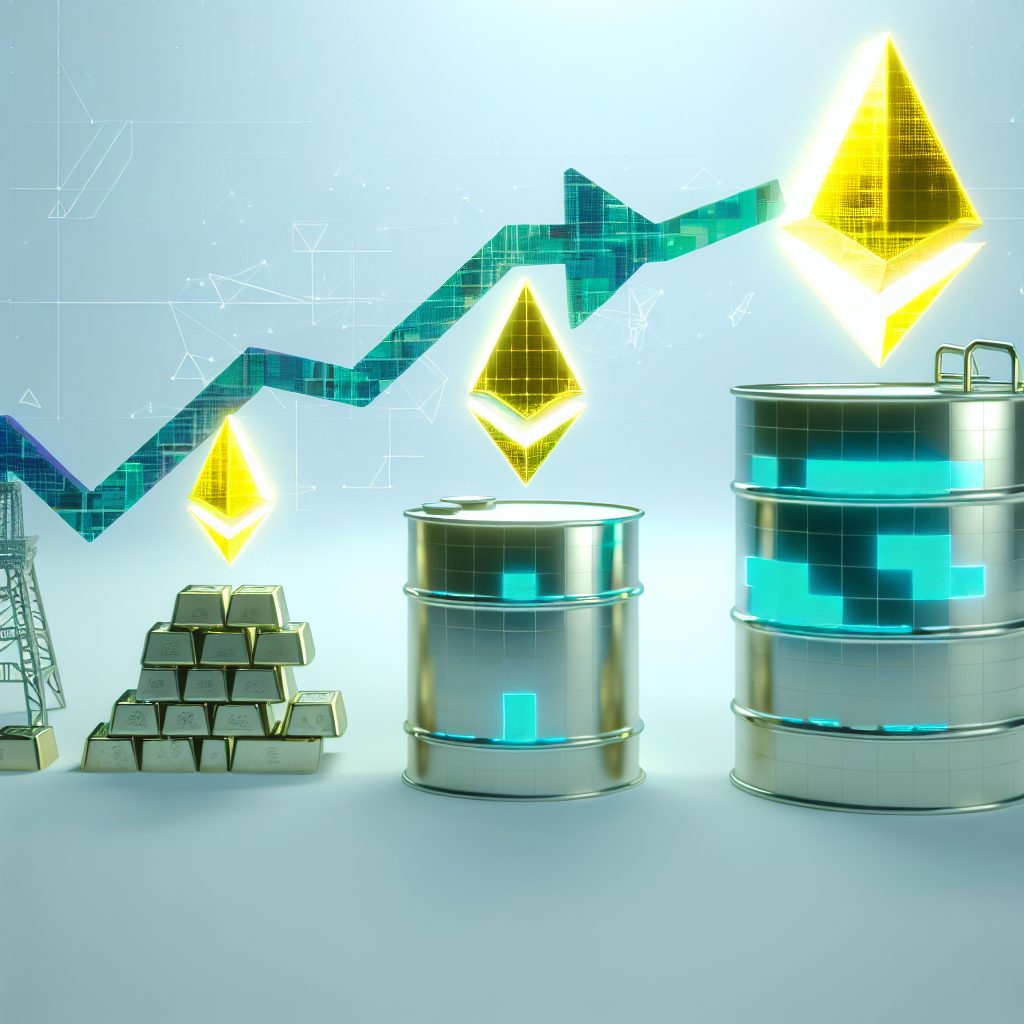
Benefits of Tokenized Commodities:
- Improved Liquidity: Tokenization allows for fractional ownership, making participation accessible even for smaller investors.
- Enhanced Transparency: Blockchain technology records every transaction, ensuring auditability and traceability.
- Global Access: Digital tokens can be traded globally, breaking down geographical barriers.
- Lower Costs: Tokenized transactions often incur lower fees compared to traditional trading systems.
The Current Landscape of Tokenized Commodities
As of early 2025, several projects have laid the groundwork in the tokenized commodity market:
- Gold: Platforms like Paxos and Tether Gold have introduced tokens backed by physical gold reserves, allowing stable investment tracking.
- Real Estate: Companies such as RealT are paving the way for tokenized real estate investments, allowing fractional ownership.
- Agricultural Products: Tokenization of agricultural commodities like wheat and corn is being explored, facilitating smoother trade processes.
The developing trends indicate a parallel growth with interest in cryptocurrencies, as investors seek new avenues for diversification.
Market Drivers Fueling Growth
Multiple factors are driving the growth of tokenized commodities within the cryptocurrency industry:
1. Increasing Investor Demand
Investors are gravitating toward tokenized assets due to the potential for enhanced returns and diversification. The fear of market instability has led many to seek refuge in tangible assets that can be digitized. The modern investor recognizes the importance of not just holding cryptocurrencies, but also diversifying into tokenized commodities.
2. Regulatory Developments
As governments and financial institutions continue adapting to cryptocurrency trends, regulatory frameworks for tokenized assets are being established. Clear regulations provide a degree of legitimacy to the marketplace, encouraging institutional adoption.
3. Advancements in Blockchain Technology
Continued improvements in blockchain technology contribute to the efficient processing and storage of tokenized assets. Layer-2 solutions, enhanced smart contracts, and improved interoperability between blockchains are making transactions faster and more cost-effective.
4. Growing Acceptance Among Financial Institutions
Financial institutions, including banks and investment companies, are beginning to leverage tokenized assets in their portfolios. This trend lends credibility to the market, attracting more investors.
Case Studies of Successful Tokenized Commodities
Several projects have exemplified the viability of tokenized commodities:
Paxos Gold (PAXG)
Paxos Gold offers a fully backed token where each PAXG token represents one fine troy ounce of gold. This model provides a stable alternative for cryptocurrency investors.
Tether Gold (XAUT)
Similarly, Tether Gold allows users to hold gold through a blockchain token, making it easy to transact and trade while ensuring that the gold is secured in a bank vault.
RealT
Real estate investments are democratized through RealT, which enables fractional ownership of properties. Investors can purchase tokens corresponding to shares in real estate, receiving a proportionate share of profits.
The Influence of DeFi on Tokenized Commodities
Decentralized Finance (DeFi) has significantly impacted the tokenization of commodities. It introduces innovative financial instruments such as:
- Lending Platforms: Users can collateralize tokenized commodities for loans, utilizing their holdings beyond mere investment.
- Yield Farming: Users can earn rewards by providing liquidity through their tokenized assets, thereby creating additional incentives.
- Insurance Protocols: Tokenized commodities can be insured through DeFi protocols, providing an extra layer of security for investors.
Challenges in the Tokenized Commodity Space
Despite its promising outlook, the tokenized commodity market faces several challenges:
1. Regulatory Hurdles
While regulations are starting to become clearer, uncertainties still exist. Different jurisdictions may impose varying standards that could hamper the growth of tokenized commodities.
2. Security Concerns
The security of tokenized assets is critical; any vulnerability can lead to significant financial losses. Ensuring that platforms prioritize robust security measures is vital.
3. Market Volatility
Although tokenized commodities aim to offer stability, the cryptocurrency market’s inherent volatility can affect prices, leading to investor hesitation.
4. Education and Awareness
Many potential investors still lack understanding about tokenized commodities. Educational initiatives are crucial for fostering a knowledgeable investor base.
The Future Outlook: Trends to Watch in 2025 and Beyond
As we delve deeper into 2025, several trends are likely to shape the landscape of tokenized commodities:
1. Integration with Traditional Financial Systems
As tokenized assets gain acceptance, traditional financial systems may integrate these offerings, streamlining the investment process for new investors.
2. Greater Custodial Solutions
Security solutions such as custodial services will likely emerge to safeguard assets. Trustworthy custodians will play an essential role in enhancing investor confidence.
3. Enhanced Interoperability
Platforms that facilitate interoperability among various blockchains will likely gain prominence, allowing for seamless transactions across different assets and ecosystems.
4. Increased Institutional Participation
As more institutional players enter the tokenized commodity market, liquidity and credibility will increase, allowing even broader access for casual investors.
Frequently Asked Questions (FAQs)
What are tokenized commodities?
Tokenized commodities are digital tokens representing physical assets, such as gold, real estate, or agricultural products, on a blockchain.
How does tokenization improve liquidity?
Tokenization allows for fractional ownership of assets, enabling smaller investments and facilitating trading, thus increasing liquidity.
Are tokenized commodities secure?
The security of tokenized commodities largely depends on the platform’s technological infrastructure and compliance protocols in place to safeguard assets.
What role do regulations play in tokenized commodities?
Regulations provide a framework within which tokenized commodities can be traded, fostering legitimacy and attracting institutional investors.
Can I trade tokenized commodities on exchanges?
Yes, many tokenized commodities can be traded on specialized exchanges providing a platform for digital asset trading.
Conclusion
As we navigate through 2025, the growth of tokenized commodities represents an exciting frontier within the cryptocurrency landscape. With enhanced liquidity, transparency, and access, tokenized assets are set to redefine investment opportunities and facilitate new trading paradigms. As interest in cryptocurrency continues to grow, tokenized commodities stand as a focal point reflecting the convergence of real and digital assets.
For a deeper dive into crypto news, market trends, and investment strategies, join the Bitrabo Community. Follow us on our social media channels for real-time updates and valuable insights.
Disclaimer: The content provided in this article is for informational purposes only and should not be considered as financial or investment advice. Always conduct your research before making any investment decisions.