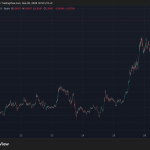
Ethereum hit a remarkable milestone in August this year, surpassing its previous all-time high (ATH) recorded in 2021. By August 2025, the price reached an impressive peak, but the landscape significantly shifted in 2026, with Ethereum’s value plunging to around $1,500. This decline has coincided with a notable decrease in the cryptocurrency’s availability on centralized exchanges.

Record Low Supply of Ethereum on Exchanges
According to a report from blockchain analytics firm Santiment, the proportion of Ethereum stored on exchanges has fallen to just 3.49% of its total supply. This drop is accompanied by a withdrawal of approximately 1.16% of Ethereum’s circulating supply from exchanges since June 1st. Such a reduction suggests that fewer investors are keeping their assets on exchanges for trading purposes.
Impact of Staking and DeFi on ETH Availability
Santiment also highlights the growing influence of staking and decentralized finance (DeFi) in the dynamics of Ethereum’s supply. Current estimates suggest that about 35% of Ethereum is staked, meaning that a significant amount of ETH is locked up in these systems rather than being readily available on exchanges. This shift further restricts the supply that can be sold in the market.
Potential Implications for ETH Prices
The diminished amount of ETH held on exchanges could imply a tightening supply for potential buyers, which, during times of increased demand, could impact price movements significantly. However, analysts caution that this development should not automatically be interpreted as a bullish signal. If Ethereum holders decide to shift their assets back to exchanges or liquidate their staked ETH and DeFi positions, the market’s liquid supply could rise again.
As Ethereum continues to evolve, keeping an eye on exchange supply trends, staking ratios, and demand will be critical in understanding future price movements. Investors and analysts alike will need to navigate these shifting dynamics carefully as they inform their strategies moving forward.
Note: The information presented should not be considered as investment advice.