The outcome of the 2026 U.S. midterm elections has introduced significant changes to the landscape of cryptocurrency regulation, as the Democratic Party has gained control of both chambers of Congress. This political shift is expected to influence the future of legislation concerning digital assets, adopting policies that could impact institutional involvement and regulatory oversight in the crypto industry as lawmakers gear up for a new legislative session set to begin in January 2027.
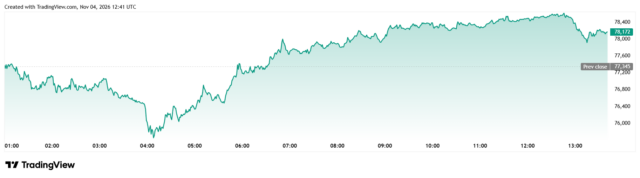
Following the election, Bitcoin initially faced pressure, dipping to a six-week low before rebounding to around $78,000, signaling the market’s resilience in the face of political uncertainty. Other major cryptocurrencies, including Ether, saw similar upward movements, suggesting a recovery across the broader crypto ecosystem.
Implications for Crypto Regulation
The Democrats’ control could complicate the push for a more favorable regulatory environment that has been encouraged in recent years. Under the previous administration of President Donald Trump, the U.S. made strides towards embracing cryptocurrency through relaxed enforcement measures and initiatives aimed at establishing a federal framework for stablecoins.
In contrast, Democratic lawmakers may prioritize consumer protection and scrutiny of potential conflicts of interest between government officials and the crypto sector. One legislative item to watch is the stalled Digital Asset Market Clarity Act, known as the CLARITY Act, which seeks to provide clarity on regulatory responsibilities for digital-assets. However, the change in congressional leadership could complicate negotiations around this and other related proposals.
Despite these potential hurdles, there remains bipartisan support for some aspects of cryptocurrency regulation. Establishing clear regulatory guidelines could ultimately benefit legitimate crypto businesses and investors alike, regardless of party affiliation.
Market Reactions Post-Election
The immediate effects of the election results on Bitcoin appear to be tied closely to investor sentiment regarding regulatory expectations. Although the elections initially created turbulence in the market, Bitcoin’s quick recovery indicates that traders are ready to re-enter after initial declines.
This rebound is a positive sign; however, the long-term implications for the digital currency will rely heavily on policymakers’ ability to establish regulatory clarity while avoiding obstacles to market participation.
A regulatory framework that reassures institutional investors and financial firms could stimulate growth in the sector. Conversely, prolonged uncertainties about regulation may stymie investment activities and negatively affect market mood.
Additionally, the crypto market faces ongoing challenges such as security incidents linked to exchanges like Binance, recent outflows from Bitcoin exchange-traded funds (ETFs), and the effects of rising borrowing costs. Thus, the political landscape alone is unlikely to dictate Bitcoin’s forthcoming trends.
The Path Ahead for the Crypto Industry
The election results signify a new chapter in U.S. cryptocurrency policy. However, they do not unilaterally define the future trajectory of the industry. The actions of Congress, regulatory agencies, and the ability of lawmakers to collaborate on critical issues such as market structure, stablecoins, and investor protections will shape the path forward.
For Bitcoin, the pivotal question remains whether it can transcend the immediate uncertainties brought on by the elections and sustain momentum. A stable regulatory framework could facilitate long-term adoption, while ongoing uncertainty may contribute to short-term volatility.
In summary, the midterm elections present both challenges and opportunities for the cryptocurrency sector. The industry’s capability to navigate bipartisan discussions could be key in influencing the next phase of digital asset development in the U.S.