Vitalik Buterin Redefines Ethereum’s Economic Narrative
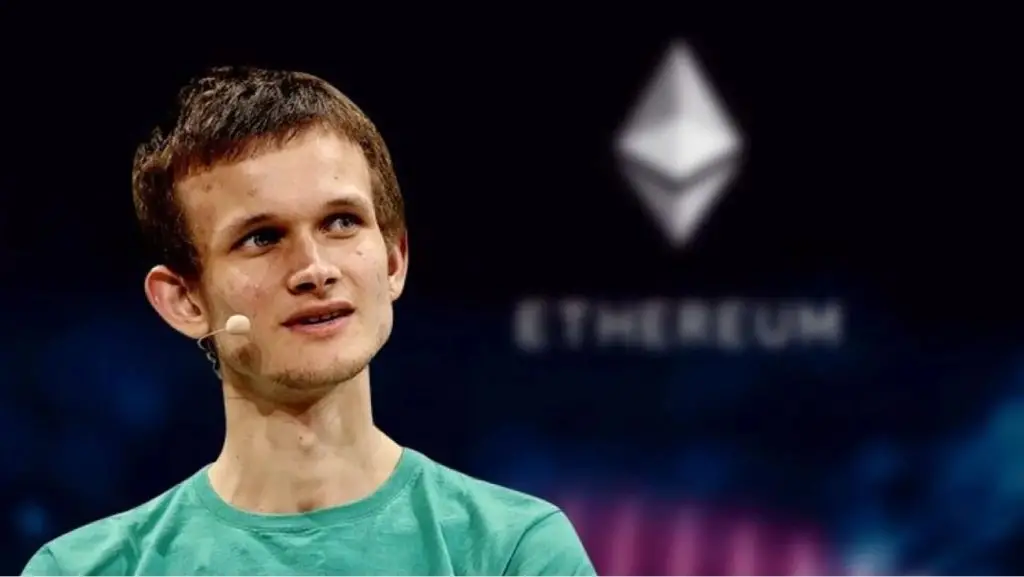
Ethereum co-founder Vitalik Buterin has recently emphasized a shift in how the Ethereum community should perceive the value of ETH. Rather than focusing solely on the burning of transaction fees as a means of value increase, Buterin advocates for a broader, long-term viewpoint that includes decentralization, security, privacy, and resistance to censorship.
Impact of EIP-1559 on Ethereum’s Value
The implementation of EIP-1559 in 2021 marked a significant change in Ethereum’s fee structure by allowing a portion of transaction fees to be burned. This mechanism led to a deflationary environment at times, particularly when network usage surged, as the number of ETH removed from circulation often outstripped the new coins created. This concept became central to the narrative of “ultrasound money” within the community.
Declining Transaction Fees and Their Implications
However, recent data reveals that Ethereum’s transaction fees have decreased notably, particularly with the adoption of scaling solutions. The median transaction fee, once hovering around 35 cents in January, reportedly plummeted to approximately 3.5 cents by October, while daily transaction volumes surged by over 50%. While this decline is beneficial for users, it simultaneously diminishes the ETH burned and the overall revenue of the network.
The Future of Ethereum’s Value Proposition
Buterin proposes that Ethereum’s true worth should be derived from its key attributes, termed “CROPS”: Censorship resistance, Resilience to hijacking, Open source, Privacy, and Security. He stresses that these features will gain importance as artificial intelligence increasingly shapes economic systems.
Strategic Shift, Not Immediate Policy Changes
while buterin’s commentary does not signal an imminent change in Ethereum’s economic policy, it reflects a strategic approach to communicating the value of ETH to investors. While some Bitcoin advocates may critique this adjusted focus, a segment of the Ethereum community sees the need for a more transparent and sustainable economic narrative.
Disclaimer: This article is not intended as investment advice.