Nvidia’s CEO Faces Investigation, Sparking Turmoil in Crypto Markets
A scandal involving Nvidia’s CEO Jensen Huang has sent shockwaves through the cryptocurrency markets. An independent investigation has been launched into Huang following reports concerning his relationship with a woman that U.S. intelligence agencies suspect may have connections to Chinese intelligence. The news emerged during the weekend of November 8-9, 2026, while traditional U.S. equity markets were closed, leading to an immediate reaction in the always-active crypto space.
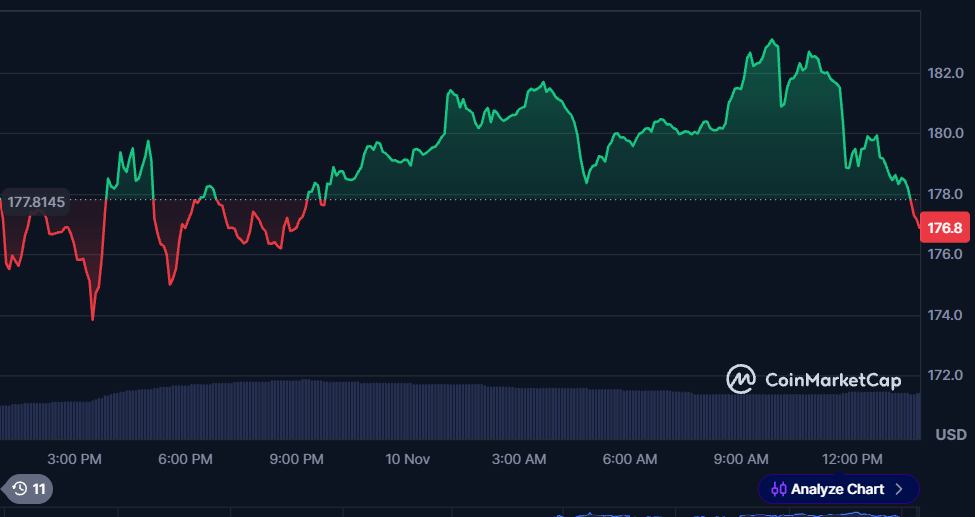
Bitcoin’s value plummeted below $74,000, marking its lowest point since August, while Ethereum slid even further, dropping below $2,100. Reports indicate that over $1 billion in leveraged cryptocurrency positions were liquidated in just 24 hours, predominantly involving long positions. During this turmoil, Nvidia perpetual futures on platforms such as Hyperliquid and Binance fell by approximately 3-4% ahead of the regular market opening.
The Backstory
In a memo to staff, Huang confirmed his infidelity, mentioning his involvement with Alice Huang, a former executive at Singapore’s Megaspeed. Compounding the situation, U.S. intelligence assessments have alleged that she may have been recruited by China’s Ministry of State Security. Nvidia has maintained that there is no evidence that company secrets or U.S. national security information were compromised, and Huang pledged full cooperation with the investigation.
The timing of these revelations was pivotal. With U.S. stock markets closed, cryptocurrency exchanges became the primary venues for determining market reactions to the uncertainty. Nvidia’s NVDA-USDC perpetual futures experienced a notable decline, dropping about 3.8% to roughly $180.50, amid increased trading volume. Tokenized Nvidia shares traded at a discount relative to their closing value on Nasdaq the previous Friday, signaling that crypto traders anticipated more significant movements once traditional markets reopened.
Market Dynamics
Analysts labeled the market’s response as a classic risk-off reaction, exacerbated by leverage. Dan Khus from LVRG Research remarked that the decline in Nvidia perps reflected a broader aversion toward riskier assets, with leveraged positioning amplifying market fluctuations. The sharper drop in Ethereum, alongside higher liquidation totals compared to Bitcoin, highlighted the heightened sensitivity of altcoins in turbulent conditions.
Connecting Crypto and Traditional Finance
This incident underscores an unsettling reality for the cryptocurrency sector, which often emphasizes its independence from traditional financial systems. Nvidia plays a crucial role in the ongoing AI boom that has bolstered investment in both equities and digital currencies. Many Bitcoin miners have redirected their operations toward AI computing, creating a narrative link between Nvidia’s performance and overall market sentiment in cryptocurrency.
The implications of governance and national-security inquiries surrounding a major technology firm like Nvidia ripple quickly through correlated risk assets. The real-time trading in cryptocurrency allowed these connections to surface before traditional markets could react. Analysts observed that when significant issues arise with a leading technology company, they can quickly lead to cascading liquidations in crypto, especially with concurrency in trading hours.
Nonetheless, it is essential not to overemphasize the immediate causal link. Macro-economic uncertainties, lower liquidity over the weekend, pre-existing pressure on AI stocks, and high levels of leverage contributed to the situation. Some market participants speculated that a deeper sell-off in tech could lead to a shift in capital toward digital assets, although this hypothesis remains untested.
Long-term Market Implications
This weekend’s events have acted as a stress test, revealing the cryptocurrency sector’s dependence on the AI narrative. Prediction markets, such as Polymarket and Kalshi, quickly launched contracts surrounding Huang’s potential departure, illustrating how swiftly crypto-native platforms can adapt to traditional market uncertainties. Additionally, large accounts began to take action: at least one prominent account on Hyperliquid initiated a multi-million-dollar short on Nvidia perpetual futures shortly after the internal memo went public.
The key takeaway for traders is clear: cryptocurrencies no longer operate in isolation. Factors such as leadership risk, geopolitical scrutiny, and sentiment within the AI sector are now part of the information landscape affecting leading digital currencies like Bitcoin and Ethereum. The over $1 billion liquidation wave serves as a reminder of how quickly leveraged positioning can lead to forced selling triggered by headline news.
While markets have made partial recoveries since the initial downturn, the lasting impact of Huang’s investigation will depend on its findings and potential scrutiny from Congress. The overarching question remains whether this incident will shake confidence in Nvidia’s leadership or the underlying AI investment narrative.
In summary, the unfolding situation highlights a crucial point: when a pivotal player in the AI sector encounters significant issues, crypto markets often feel the repercussions first.