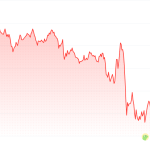
Bitcoin is bracing for a significant political challenge following the Democratic victories in the recent 2026 U.S. midterm elections. With Democrats poised to assume control of Congress, discussions around new cryptocurrency legislation are reportedly gaining traction, bringing fresh scrutiny to the regulatory environment for digital assets.
The elections have resulted in projected Democratic majorities in both the House of Representatives and the Senate, potentially reshaping the landscape surrounding cryptocurrency regulations, which have been championed by outgoing President Donald Trump.

House Democrats are currently weighing a proposal that would grant the Securities and Exchange Commission (SEC) expanded authority over digital assets, aiming to integrate more robust protections for investors. Though the initiative remains under discussion, it signals that cryptocurrency regulation may become a focal point for the incoming Congress in January 2027.
Democratic Plans for Crypto Regulation
As reported by journalist Eleanor Terrett, Democratic lawmakers are considering the expansion of Representative Maxine Waters’ Crypto Investor and Consumer Bill of Rights into a more comprehensive framework for cryptocurrency market regulation. Elements from the previously stalled Digital Asset Market Clarity Act (the CLARITY Act) may also be included in this new legislation.
Key features of the proposed changes could involve enhancing the SEC’s role while potentially restricting some duties of the Commodity Futures Trading Commission (CFTC). Terrett highlighted these developments on social media, citing industry insiders knowledgeable about the negotiations.
This shift in dialogue follows the CLARITY Act’s failure to pass in the Senate last September, despite backing from President Trump and various industry representatives. Democratic leaders have called for stronger consumer protections and financial safeguards, while some Republicans have advocated for clearer regulations, underscoring lingering divisions that will need to be navigated during upcoming discussions.
Potential for Bipartisan Collaboration
Despite shifts in control, advocates for cryptocurrency are optimistic about the potential for bipartisan support in Congress. Stand With Crypto, an industry organization, noted that over 50 newly elected lawmakers who are favorable towards digital assets will join Congress. The group plans to actively engage with both sides to promote favorable legislation.
This cooperative effort could prove crucial as new laws governing cryptocurrencies are drafted. For Bitcoin, regulatory clarity is essential for boosting institutional confidence and enhancing investor sentiment, although the connection between regulatory decisions and Bitcoin’s market performance is complex and multifactorial.
Other forms of legislation, such as President Trump’s initiative to establish a Strategic Bitcoin Reserve through an executive order in March 2025, may also be part of the ongoing policy conversations, though ratifying such measures would require further legislative action.
The SEC and CFTC have the capacity to continue their regulatory oversight under current laws, which means the incoming Congress will need to address whether it can solidify a coherent approach to cryptocurrency that prioritizes both regulatory visibility and consumer safety.
With Congress reconvening for its last legislative session before the new term starts in January, the upcoming months will likely be critical in assessing how these political changes will shape the future of Bitcoin and the broader cryptocurrency landscape.
The pressing challenge for lawmakers will be to reconcile varying regulatory proposals into legislation that garners the necessary bipartisan support.