BTCS Warns of Possible Liquidation of Aave Debt Amid Falling Ether Prices
BTCS, a Nasdaq-listed cryptocurrency treasury company, has alerted market regulators about the precarious state of its loan on the decentralized lending protocol Aave, currently valued at approximately $54 million. The company emphasized that continued declines in the price of Ethereum could precipitate a forced liquidation of its collateral.
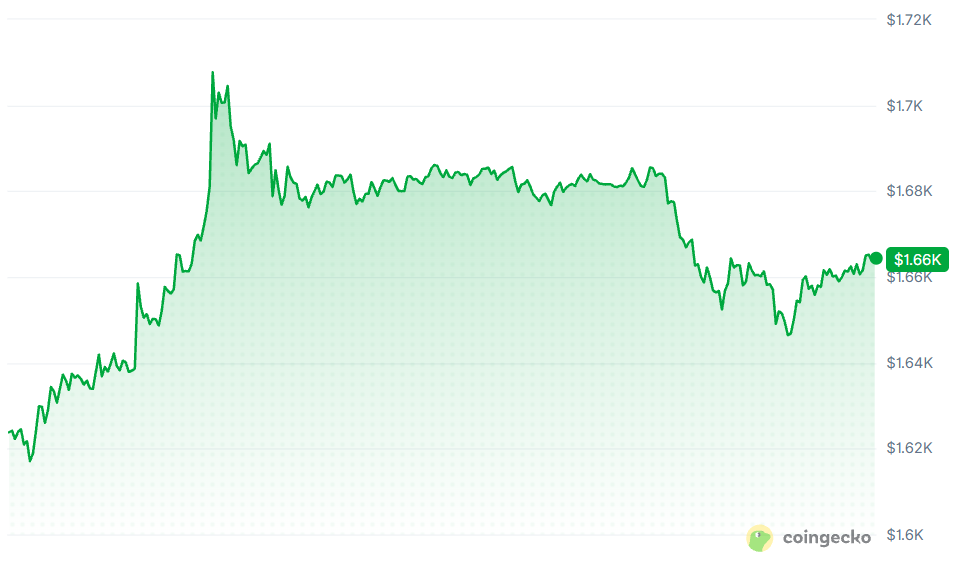
In a filing to the U.S. Securities and Exchange Commission (SEC) dated November 19, BTCS acknowledged that while it has successfully reduced its borrowing by about $10 million in just ten days, the drop in Ether’s price has significantly counterbalanced this improvement. As of the filing, Ether traded near $1,730, causing BTCS shares to fall 12.2% on Friday to close at $0.653, a decline of 28.1% over the week.
Debt Reduction Offset by Declining Ether Prices
Following reports of around $64.1 million in Aave borrowing on November 9, BTCS managed to decrease this amount to about $54 million by November 19. However, the total value of the Ether collateral maintained by the company concurrently fell. Earlier disclosures indicated that BTCS had pledged 46,676 ETH, valued at approximately $99.3 million when ETH traded at $2,127.
By the date of the SEC filing, the value of BTCS’s cryptocurrency holdings was approximately $111 million, based on an ETH price of $1,775. Furthermore, the firm disclosed around $18 million in senior secured convertible notes, a separate debt obligation convertible into company shares, further complicating its financial profile.
Despite the decrease in borrowing, the company’s overall position showed little improvement. The health factor of BTCS’s Aave borrowing was estimated at around 1.23, slightly higher than the previous figure of 1.24 on November 9. This health factor indicates the ratio between the value of the collateral and the outstanding debt, with any deterioration risking liquidation.
Impact of Aave Liquidation on BTCS’s Holdings
Aave operates through smart contracts that autonomously manage collateralized loans. Unlike conventional loan setups, there is no intermediary to notify borrowers when their collateral is insufficient. Each borrowing position receives a health factor assessing the balance between collateral value and debt. A health factor below 1 qualifications a position for liquidation.
When liquidation occurs, other market participants can pay down part of the borrower’s debt in exchange for a portion of the collateral, along with a liquidation bonus. This setup puts BTCS at risk of losing some of its Ether holdings without the chance to negotiate repayment terms.
Financial Pressures from Limited Cash Reserves
BTCS’s exposure to Aave is particularly concerning in light of its reported liquidity status. As of the end of September, the company held roughly $463,000 in cash, in addition to about $860,000 in stablecoins and $41 million in liquidity pool positions. The Aave borrowing primarily supports liquidity pool operations linked to its decentralized finance subsidiary, Imperium.
The latest filing also fails to clarify how BTCS managed to reduce its Aave debt from approximately $64 million to $54 million. Previous disclosures indicated that the company had sold ethereum below its original purchase price to enhance its collateral position. This strategy underscores the difficult decisions treasury firms face when leveraging cryptocurrency: whether to sell assets, repay liabilities, or increase collateral—each choice comes with its own implications.
BTCS’s situation illustrates that merely reducing debt does not eliminate the risk of liquidation, particularly as the value of underlying collateral continues to fluctuate. Investors monitoring BTCS should closely watch the price of ETH, the volume of collateral held, and remaining Aave debt, as ongoing weakness in these metrics could lead to further financial challenges for the company.
As the market evolves, stakeholders will need to consider if BTCS can effectively manage its Aave debt without incurring more losses through additional Ethereum sales, and whether similar risks threaten other publicly listed crypto treasury firms.