Binance, recognized as the largest cryptocurrency exchange globally in terms of trading volume, has recently announced a strategic partnership with BlockShoals Technologies, a fintech firm based in the Philippines. This collaboration allows Binance to re-enter the Philippine market, which has been active in the cryptocurrency space, after facing increased regulatory scrutiny that initially restricted its operations in the country over two years ago.
The official announcement was made on Binance’s blog and follows BlockShoals receiving in-principle approval from the Philippine Securities and Exchange Commission (SEC) to participate in the StratBox regulatory sandbox. This initiative, established under SEC Memorandum Circular No. 9, Series of 2024, enables fintech firms to pilot innovative products in a monitored environment prior to a broader rollout. The sandbox testing phase is set to last for 24 months with annual reviews.
Understanding BlockShoals’ Role
BlockShoals is not a consumer-facing platform; rather, it serves as an intermediary that manages technology and infrastructure for virtual asset services. This includes handling necessary regulatory compliance and operational processes that facilitate Binance’s interaction with Philippine users and regulators within a locally established structure. As per reports from the Manila Bulletin, this partnership allows Binance to operate with a locally licensed entity under the supervision of the SEC without the need for its own exchange license during the sandbox’s timeframe.
Since BlockShoals is already engaged with the SEC concerning its sandbox activities, it provides regulators with insight into how a global exchange’s systems engage with local users and market regulations. This enhances transparency that may be lacking in a non-compliant operational model.
Regulatory Landscape in the Philippines
The Philippines represents a growing market for cryptocurrency, boasting one of the highest rates of digital asset ownership in Southeast Asia. The demand for digital asset services is significantly driven by remittances, and the regulatory framework has been evolving under the guidance of the Bangko Sentral ng Pilipinas alongside the SEC’s sandbox initiatives. With BlockShoals’ entry into the StratBox program, it becomes the fourth firm to gain approval, joining others focusing on US equity services and tokenized real estate.
In its blog post, Binance framed this partnership as a commitment to fostering responsible digital asset use, emphasizing user protection and innovative practices within the Philippines. This reflects the exchange’s strategic focus on re-establishing regulatory compliance following its settlement in 2023 and aims to strengthen its relationships across various jurisdictions.
This partnership signifies a crucial development in Binance’s strategy within the Asia-Pacific region and alters the dynamic between the cryptocurrency sector and Southeast Asian regulators. Operating through a locally licensed intermediary presents a structured approach, which, while more restricted initially, could lead to a more sustainable presence if the pilot achieves compliance goals set forth by the Philippine SEC.
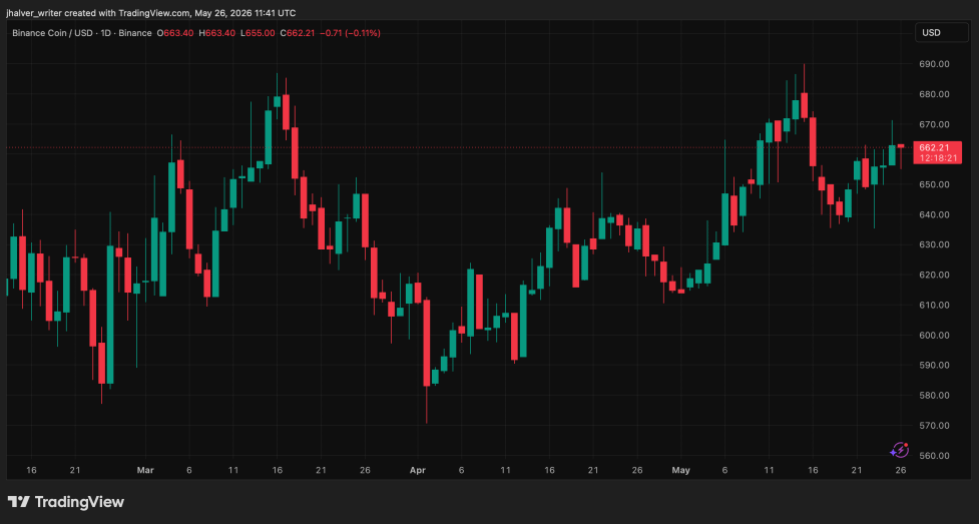
Cover image credit: Grok; BTCUSD chart courtesy of Tradingview