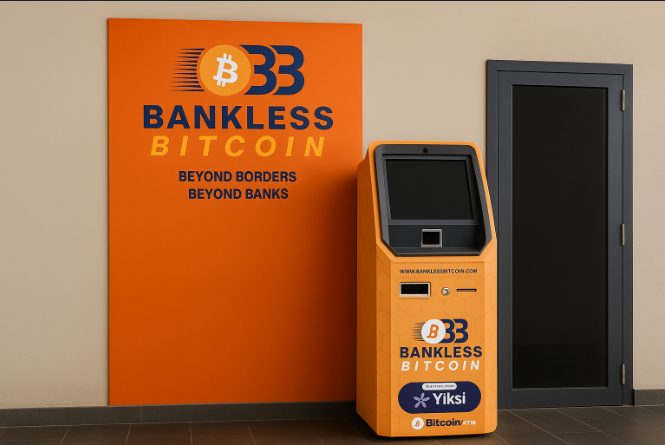
In the vibrant landscape of Nairobi, Bitcoin ATMs labeled “Bankless Bitcoin” have started to appear in popular shopping destinations like Two Rivers Mall and various outlets along Ngong Road. This exciting development allows residents easy access to cryptocurrency transactions right in their neighborhoods.
As reported, these eye-catching machines coexist alongside traditional banking ATMs, making it convenient for users to convert cash to Bitcoin or sell their holdings dynamically.
The launch of these kiosks coincides with the implementation of Kenya’s Virtual Assets Service Providers Act on November 4, 2025, marking a significant shift in the country’s regulatory landscape.
Clarifications from Regulatory Bodies
Recent communications from the Central Bank of Kenya (CBK) and the Capital Markets Authority (CMA) have clarified that currently, no virtual asset service providers (VASPs) have been granted licenses under the new framework.
According to recent reports, the National Treasury is still in the process of drafting the comprehensive regulations necessary to kickstart the licensing process.
In light of this, regulators have cautioned that any business claiming to operate as a licensed VASP is acting in contravention of the law.
Purchase Bitcoin at Two Rivers Mall on the ground floor nearby the Levi’s store. The minimum amount is Ksh 1; the device has been installed by @BanklessBitcoin and accepts only on-chain deposits and withdrawals from any compatible wallet. pic.twitter.com/HFlG1lUEpb
— Bitcoin Nairobi (@btcnairobi) November 16, 2025
Community Initiatives Preceding ATM Installations
Prior to the deployment of Bitcoin ATMs in malls, cryptocurrency adoption had already begun to take root in underserved areas. A notable initiative led by the fintech organization, AfriBit Africa, introduced Bitcoin payment options in Soweto West, a neighborhood in Kibera, as early as 2022.
This initiative facilitated small grant distributions to community members following local clean-up efforts, amounting to approximately $10,000 in grants. Presently, around 200 locals utilize Bitcoin for transactions and savings, with local vendors and motorcycle taxi operators increasingly embracing it.
For many individuals without traditional bank accounts or identification, the ability to hold Bitcoin is seen as a pathway to greater financial independence, particularly for those living on mere dollars daily.
Convenience Meets Caution
The introduction of these ATMs allows for a straightforward method of buying and selling cryptocurrency. However, this ease of access also raises critical questions regarding the operational practices of these machines, especially concerning identity verification processes and fund management practices.
Currently, there is limited information available regarding these issues. The volatile nature of Bitcoin prices also means that users can experience rapid fluctuations in value.
Furthermore, authorities emphasize that the new law is designed to implement anti-money laundering safeguards and to regulate terrorist financing, with the CBK and CMA designated as the primary regulatory authorities.
Consumer Safeguards and Future Regulations
The VASP Act delineates specific requirements that service providers must adhere to once licensing commences, with a strong focus on preventing financial crimes.
According to various reports, the legislation aims to create a balance between consumer protection and fostering a conducive environment for innovative services to thrive under regulatory guidance.
The forthcoming regulations from the Treasury will clarify the extent of Know Your Customer (KYC) protocols, transaction limits, and how oversight responsibilities will be shared among the involved regulatory bodies.
Featured image credit goes to Capital News; chart sourced from TradingView.