The ongoing debate surrounding Bitcoin governance and its future trajectory is heating up, especially as it relates to the tension between traditional Bitcoin usage and emerging trends. A key player in this discourse has raised significant concerns about changes in policy that may stifle new developments in the ecosystem.
In a recent announcement, Leonidas, a well-known advocate for the Ordinals and Runes ecosystems, threatened to support an alternative version of Bitcoin software if the core developers implement restrictive policies that hinder these innovations. He emphasized that the push towards censorship could lead to drastic measures, including the financing of a separate, open-source fork that would prioritize transaction freedom.
Leonidas argues that the contributions from the Ordinals and Runes sectors have been substantial, citing their role in generating more than $500 million in transaction fees. This financial support has been crucial for Bitcoin’s overall security and robustness, making a case for why these newer transaction types deserve to coexist with more traditional Bitcoin transactions.
Understanding the Debate: Core Policies versus Ecosystem Growth
This controversy comes at a critical time as Bitcoin Core prepares for its upcoming release. There are divergent views on how to handle mempool policies, with prominent figures diverging sharply in their opinions. Adam Back, CEO of Blockstream, reiterated that the developers should act as stewards of the network, with changes requiring user consensus. He stressed that Bitcoin should remain focused on its original purpose as a currency, devoid of what he termed as ‘spam.’
Meanwhile, Luke Dashjr, a maintainer of the Knots implementation, believes that stricter policies do not amount to censorship. He suggests that implementing these filters can actually enhance the functionality of the network. Supporters of Knots argue for maintaining rigorous limits and encourage node operators to adopt their version for greater compliance.
Bitcoin’s evolution is essential, and while some are concerned about spam, we must not halt our progress. The future is about more than just money; it’s about functionality and adaptability.
— Luke Dashjr (@LukeDashjr) September 8, 2025
Central to this discussion is the forthcoming Bitcoin Core version 30, which is set to introduce significant changes to relay policies affecting data-carrying transactions. For instance, the removal of the long-standing limit on OP_RETURN payloads is designed to enhance transaction flexibility but has been criticized as normalizing non-financial uses of block space.
Core developers have articulated their stance, emphasizing that their goal is to optimize efficiency and reliability in relaying transactions. They argue that avoiding the relay of economically viable transactions can disrupt user experience and lead to more centralized alternatives, undermining Bitcoin’s decentralization ethos.
Leonidas has voiced his strong opposition to any filtering based on content, warning that creating distinctions between types of data could set dangerous precedents. He maintains that numerous Bitcoin startups supporting viable economic nodes would be enthusiastic about a more flexible operational environment.
The governance structure surrounding Bitcoin is significant; while Bitcoin Core is an influential player, it does not dictate the entirety of the network. Users retain the ability to choose their software, and market dynamics are already reflecting these preferences, with Knots seeing increased traction in light of the ongoing debates. Current statistics show that Knots constitutes over 18% of reachable nodes, highlighting a growing divergence in operational philosophies within the community.
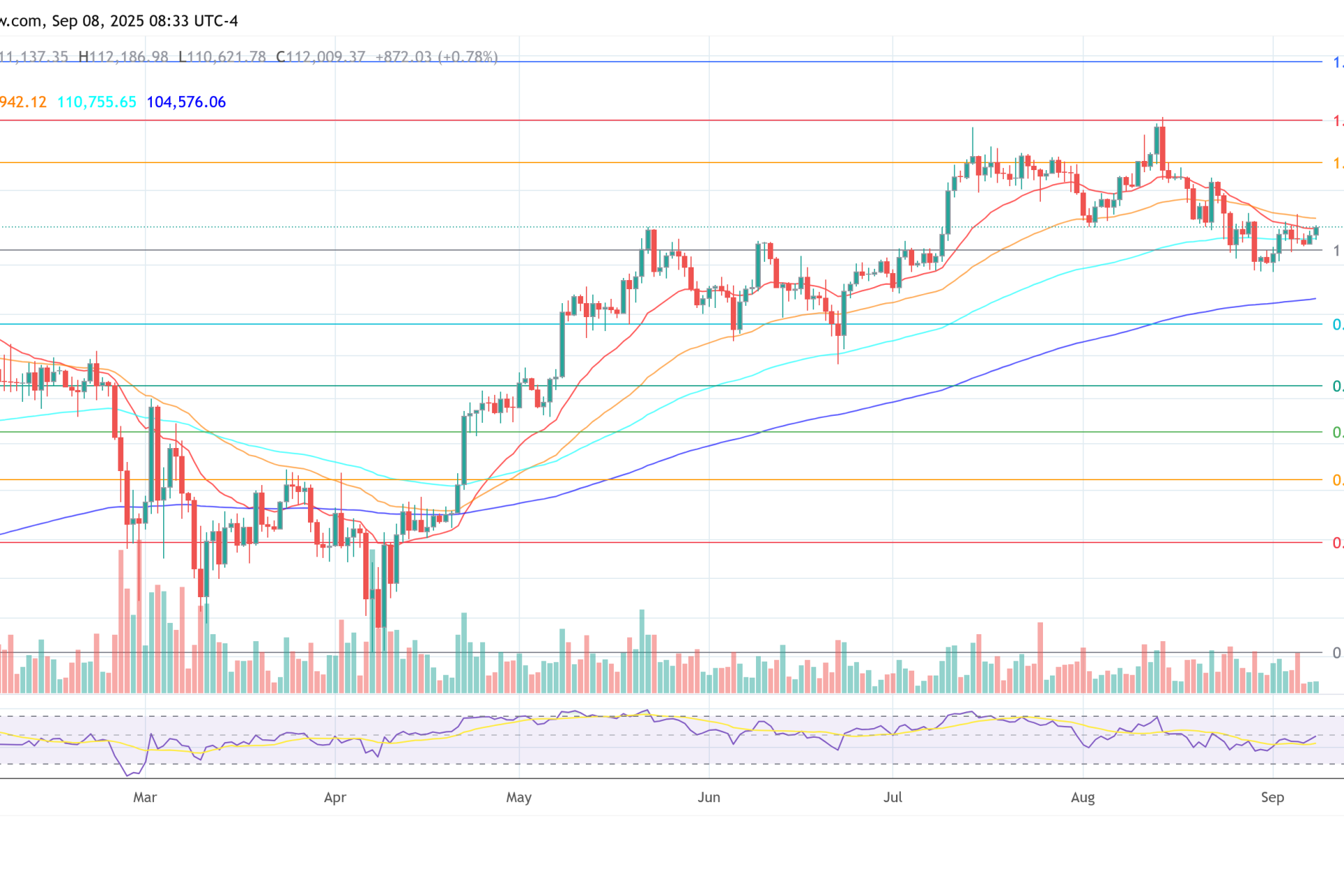
As the debate unfolds, the implications of shifting policies are profound. With BTC currently trading at $112,009, the community is at a crossroads, weighing the future of Bitcoin’s functionality against its historical ideals of decentralization and openness.