On July 29, the US Securities and Exchange Commission (SEC) made a pivotal announcement, allowing for in-kind creations and redemptions of Bitcoin and cryptocurrency exchange-traded products (ETPs). This shift marks a significant departure from the previous cash-only policy that restricted January’s spot Bitcoin launches and the ether funds introduced in the spring. Chair Paul S. Atkins remarked that this change aligns these funds more closely with traditional commodity ETPs, thereby enhancing operational efficiency and reducing costs for investors.
Senior ETF analyst Eric Balchunas from Bloomberg Intelligence reacted promptly, emphasizing the significance of this regulatory update. He highlighted Atkins’ statement about the newfound flexibility in handling cryptocurrency ETPs. Essentially, this new process enables authorized participants (APs) to engage with Bitcoin or ether directly, enhancing efficiency in acquiring or disposing of assets.
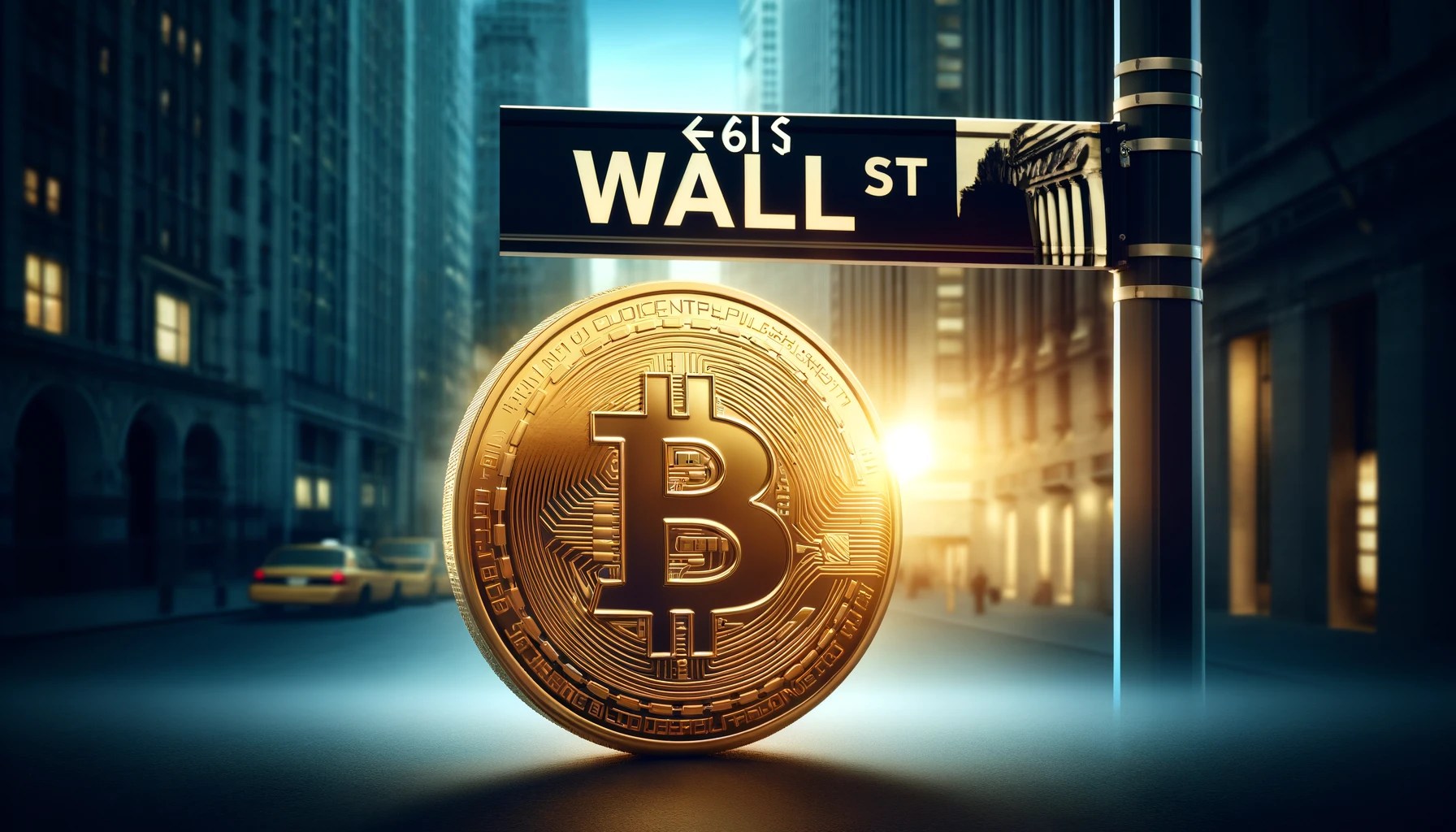
Benefits of In-Kind Redemptions for Cryptocurrency ETPs
Following the SEC’s announcement, Bitwise President Teddy Fusaro provided a technical breakdown, illustrating how this regulatory shift will alleviate tensions often associated with the cash-creation model. Traditionally, when an ETF experiences inflows, it must purchase Bitcoin from the market, incurring various costs along the way.
To clarify, Fusaro presented a hypothetical scenario where an ETF pays a small premium for Bitcoin during a $100 million transaction. He emphasized that these costs, like a two-basis-point premium, do not simply vanish; they ultimately get passed down to investors through higher share prices. By facilitating in-kind transactions, the process becomes more streamlined, erasing unnecessary costs tied to cash transactions.
The mechanics involved might seem intricate, especially for new investors. Essentially, APs are responsible for assembling creation units and exchanging them for ETF shares. However, in the previous cash-only environment, this inevitably led issuers to source Bitcoin under variable market conditions, suffering from added execution costs. The established BRRNY index—a benchmark used for trading—although precise, could still influence pricing unfavorably in real-world transactions.
With the introduction of in-kind transactions, Bitcoin can replace cash for these operations, allowing APs to navigate asset exchanges more directly. Over time, this mechanism is likely to lead to tighter spreads in the secondary market, reducing the costs associated with market fluctuations and enhancing overall efficiency.
The SEC’s actions extend beyond merely fine-tuning existing protocols. The commission has initiated a broader approach, approving several new crypto ETP applications, including those holding both spot Bitcoin and ether. Additionally, they greenlit various options strategies linked to Bitcoin ETPs, reinforcing their commitment to enabling a more dynamic market structure.
Commissioner Mark T. Uyeda labeled the former policy as an anomaly and emphasized the unnecessary burdens it caused. His comments reinforce the narrative of cost-efficiency that Fusaro brought to light, highlighting why market participants have advocated for equivalence with more traditional ETPs for some time now.
From a market dynamics perspective, the shift to in-kind mechanics provides APs with the flexibility to manage Bitcoin assets more effectively, balancing inventory without pressuring the fund to engage directly in the highly fluctuating spot markets. This adjustment can enhance the risk management through arbitrage opportunities, particularly during turbulent trading periods when cash transactions could lead to unfavorable pricing.
The timeline for implementing these changes will vary depending on individual issuers as they work to update necessary agreements and operational frameworks. Nonetheless, the SEC’s ruling represents a crucial shift in the landscape of cryptocurrency investment. At the time of this update, Bitcoin traded at around $118,527, indicating a thriving market ready to embrace this new chapter.