Recent analyses from leading firms highlight a notable trend in the cryptocurrency market. As of mid-December, Bitcoin’s hashrate experienced a decline of approximately 4%. This significant movement has drawn attention from market participants because such reductions in hashrate often precede notable price rallies.
Market experts emphasize a striking historical correlation: when hashrate diminishes over a 30-day span, Bitcoin’s subsequent 90-day returns tend to be favorable 65% of the time. In contrast, increased hashrate only correlates with positive returns 54% of the time. These statistics are critical as traders integrate them into their decision-making frameworks.

The Implications of Declining Hashrate
Increased scrutiny of longer-term trends reveals that when the hashrate remains low for extended periods, the likelihood of recovery appears enhanced. Notably, negative growth in hashrate over 90 days has been linked to positive returns in the following 180 days nearly 77% of the time, with an average upswing of 72%.
Such metrics underscore a critical narrative for investors. Furthermore, the economics of mining add another layer: the breakeven electricity cost for a Bitmain S19 XP unit dropped by nearly 36% from $0.12 per kilowatt-hour in late 2024 to $0.077/kWh by mid-December. This drastic change pressures margins and forces many miners to reevaluate their operations.
Market Dynamics and Mining Exits
It appears that some mining capacity has exited the Bitcoin network entirely. Analysts from VanEck have linked the recent 4% hashrate decline to the shutdown of around 1.3 gigawatts of mining power in China. Moreover, an increasing demand for artificial intelligence computing resources could potentially siphon off about 10% of the Bitcoin network’s hashrate.
This potential shift in mining resources could concentrate Bitcoin mining operations in regions where both affordable energy and favorable regulations exist. However, substantial global support for Bitcoin mining remains, with up to 13 nations actively promoting such activities. Notable supporters include Russia, Japan, France, El Salvador, and several others.
Current Bitcoin Pricing Landscape
Bitcoin’s current trading price hovers around $88,600, indicating a nearly 30% drop from its previous peak of $126,080 in early October. As the year wraps up, markets have exhibited a relatively calm demeanor, with low liquidity hiding underlying trends.
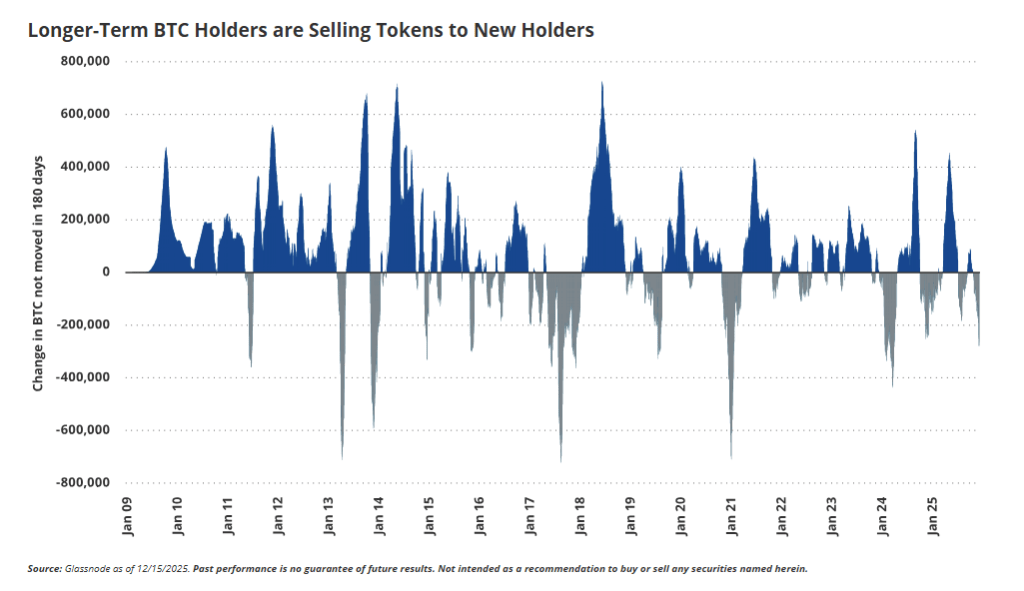
Recent observations indicate Bitcoin’s stability around the $89,000 mark, reflecting a confined trading range as market participants analyze supply and demand indicators. Broader market movements also play a role; for instance, gold prices recently surpassed $4,400 per ounce, while silver climbed to $69.44. Many investors perceive these shifts as indicative of a general safe-haven trend.
Interestingly, historical patterns reveal that miner exits have acted as contrarian signals in the past — when weaker miners leave the market, difficulty adjusts, and those who remain face reduced selling pressure. This dynamic often paves the way for subsequent price stabilization and potential growth over the following months.
Image sourced from Pixabay, chart from TradingView