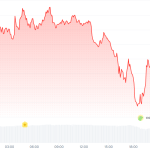
Bitcoin is gaining attention as it makes a tentative recovery, largely influenced by recent declines in oil prices, which have eased some inflationary pressures in financial markets. On November 2, Bitcoin’s value increased by about 1%, reaching approximately $78,724, coinciding with a weakening of crude oil and the US dollar.
While the cryptocurrency sector continues to grapple with volatility, analysts are intrigued by Bitcoin’s evolving role in global finance. The critical factor will be whether the drop in energy costs can facilitate a more durable recovery in Bitcoin’s price.
Impact of Falling Oil Prices
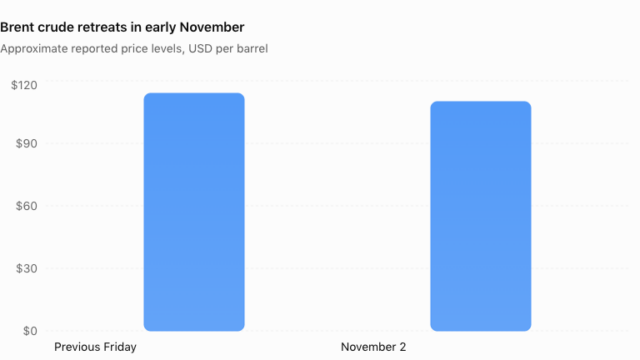
In early November, oil prices experienced a notable decrease, with Brent crude dipping nearly 3% to around $110 per barrel after a brief surge past $114. This decline was, in part, related to diplomatic developments that lessened immediate concerns about potential supply disruptions in the Middle East.
Lower energy costs tend to reduce inflationary pressures, influencing everything from transportation to manufacturing costs. Economists believe that a decrease in oil prices could afford the Federal Reserve greater leeway in its interest rate policies, potentially encouraging investments in risk assets like cryptocurrencies.
OPEC+ Production Decisions
On November 1, OPEC+ announced it would maintain its oil production levels through December, despite some ongoing supply disruptions. This decision underscores that while prices may have fallen, the landscape of energy markets remains fraught with uncertainty. Heightened geopolitical tensions could reverse the current downward trajectory in oil prices, which would reignite concerns about inflation and complicate the Federal Reserve’s monetary policy decisions.
Inflation Data as a Possible Catalyst
The upcoming October US Consumer Price Index report, set for release on November 10, will be pivotal. Previous reports indicated a 0.6% rise in consumer prices for September, with an annual inflation rate of 3.7%. Rising gasoline prices were a significant contributor to this increase. Should falling oil prices lead to reduced consumer inflation, market expectations surrounding Federal Reserve actions may shift, creating a more favorable environment for Bitcoin.
However, it’s essential to recognize that inflation is influenced by a complex mix of factors, not solely energy costs. One month’s favorable oil price movements do not guarantee changes in broader monetary policy.
Long-Term Prospects for Bitcoin
Despite the daily fluctuations driven by oil prices or interest rates, Bitcoin’s long-term potential remains compelling. Its capped supply of 21 million coins, decentralized nature, and ability to facilitate transactions independently of centralized entities set it apart from traditional financial assets. The ongoing development of institutional frameworks around Bitcoin, such as investment products and custody services, also enhances its market appeal.
These systemic changes keep investor interest alive, suggesting Bitcoin’s path forward is not solely dictated by short-term price movements. Its predictable issuance schedule, unlike that of commodities which can be adjusted based on demand, adds to its appeal as a potential store of value.
Looking Ahead
Going forward, three developments warrant close attention: the trajectory of oil prices, forthcoming inflation statistics, and the Federal Reserve’s responses to evolving economic conditions. A simultaneous decline in energy costs and improvement in market liquidity could significantly bolster Bitcoin’s recovery.
While current volatility remains a concern, the broader picture points to Bitcoin’s increasing relevance in the financial ecosystem. The crucial question is not merely when Bitcoin might recover to $80,000, but whether it can continue to expand its influence in a transforming global finance landscape.
Falling oil prices may offer short-term relief, but Bitcoin’s long-term promise lies in its decentralized framework, limited supply, and growing acceptance in various sectors.