In today’s financial landscape, many analysts are turning their attention to Bitcoin as a potential refuge amid increasing monetary instability. Recent discussions highlight how significant events, such as political tensions and economic mismanagement, can drive investors toward decentralized assets.
A renowned financial expert recently elaborated on how ongoing monetary dilemmas in various European nations could set the stage for a surge in Bitcoin’s value. The argument posits that as currencies falter, Bitcoin emerges not only as an alternative but also as a safe haven for those looking to preserve wealth. This cryptocurrency’s decentralized nature positions it as a strong contender against traditional fiat systems, which are undergoing strain.
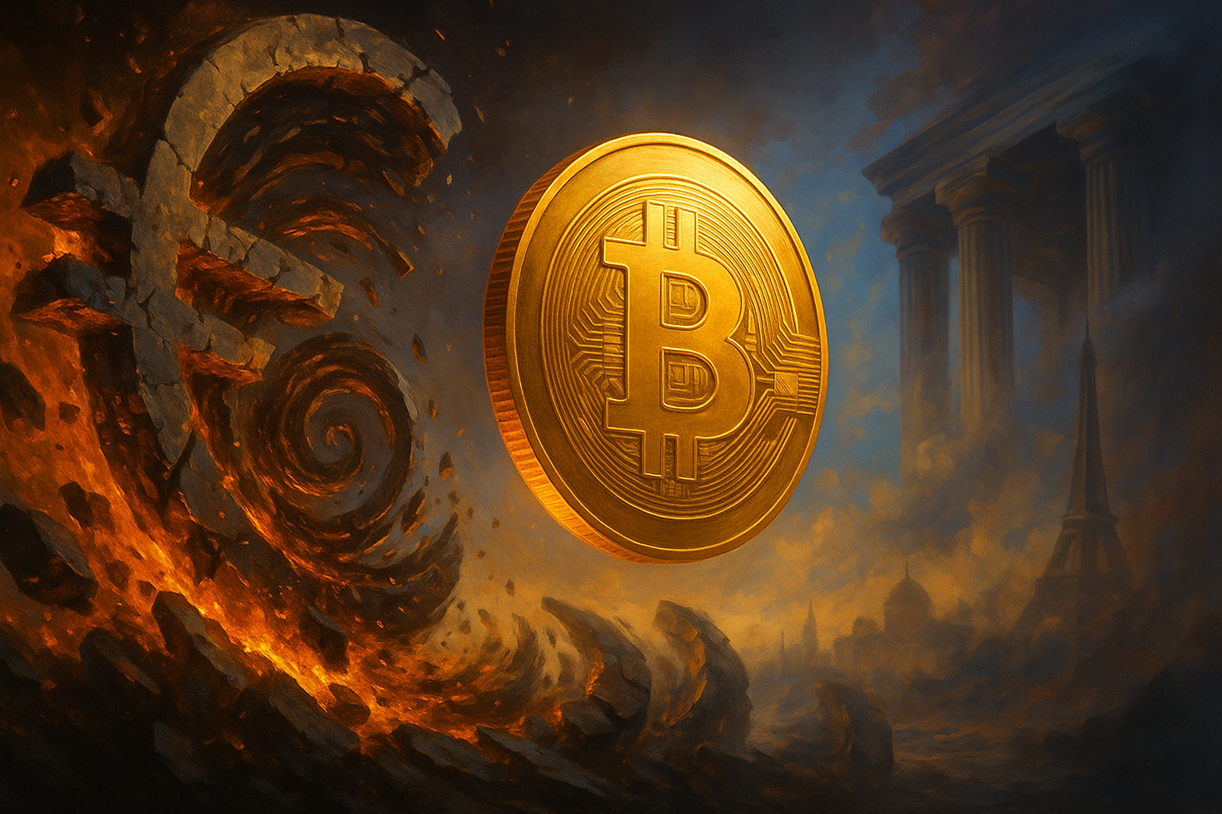
The Shift Towards Digital Assets
Investors are being urged to view Bitcoin as an essential strategic asset rather than a mere speculative investment. This shift reflects a broader trend where individuals recognize the importance of maintaining liquidity in the face of potential economic downturns. The ease of converting traditional currency into Bitcoin often serves as a critical advantage.
For Eurozone citizens, the implications of weak economic indicators are clear: “Bitcoin provides much-needed options for investors concerned about the long-term viability of their national currency.” The transformation from fiat to digital currency can occur in a matter of minutes, placing Bitcoin in the hands of those who understand its potential.
Furthermore, as reliance on foreign debt mounts, financial experts warn that the repercussions could lead to an accelerated need for safe-haven assets. The interconnectedness of global finance means that confidence in national currencies can swiftly erode.
- Rapid asset migration: The movement of deposits out of national banks indicates a loss of faith in local currencies.
- Bitcoin and gold as key assets: In times of crisis, these two remain trusted choices for safeguarding wealth.
- Potential for massive withdrawals: Significant capital could flow into Bitcoin quickly, especially if local markets show signs of distress.
Historical context also plays a crucial role in understanding these dynamics. Looking back at previous financial crises, we see that periods of high uncertainty typically result in increased investments in gold and Bitcoin. The correlation is striking: when confidence wanes, investors flock to assets they perceive as secure.
For those watching the European economic landscape, the path forward appears complex. However, the underlying principle remains: there is immense opportunity in Bitcoin as fiat systems come under pressure.
In an analysis filled with forward-thinking projections, one expert emphasized that “selling euros and investing in Bitcoin could be a key strategy.” The argument aligns with an emerging belief that as central banks continue their quantitative easing practices, the resultant inflation will favor decentralized, limited-cap assets like Bitcoin.
The future of finance might very well depend on how quickly investors adapt and pivot towards these emerging assets. Whether for protection against inflation or as a means of wealth preservation, Bitcoin’s trajectory points towards increasing relevance in a world of fiat instability.