Bitcoin vs Naira: What Nigerian Teens Say
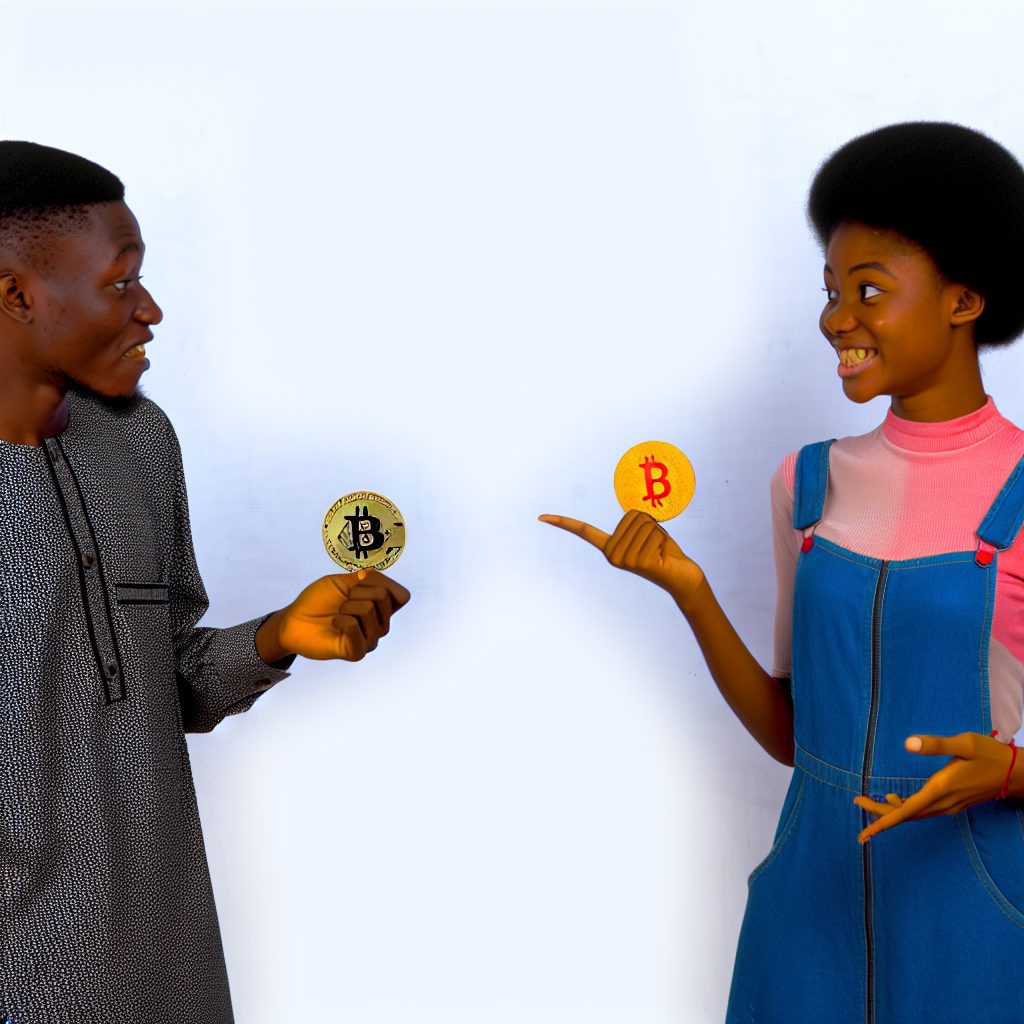
The rise of cryptocurrency has transformed the financial landscape globally, and Nigeria is no exception. Among the various cryptocurrencies, Bitcoin stands out as a leading digital asset. In contrast, the Nigerian Naira has faced numerous challenges, including inflation and currency devaluation. This article delves into the perspectives of Nigerian teens regarding Bitcoin and the Naira, exploring their preferences, experiences, and the implications for the future of finance in Nigeria.
The Current Financial Landscape in Nigeria
Nigeria’s economy has been characterized by a mix of opportunities and challenges. The Naira, the official currency, has struggled against the US dollar and other major currencies. This situation has led many young Nigerians to explore alternative financial solutions, including cryptocurrencies.
- Inflation: The Naira has experienced significant inflation, eroding purchasing power.
- Currency Devaluation: The Naira’s value has decreased against major currencies, prompting a search for stable alternatives.
- Access to Banking: Many Nigerian teens lack access to traditional banking services, making cryptocurrencies an attractive option.
Understanding Bitcoin
Bitcoin, created in 2009 by an anonymous entity known as Satoshi Nakamoto, is a decentralized digital currency that operates on a peer-to-peer network. It allows users to send and receive payments without the need for intermediaries like banks.
- Decentralization: Bitcoin operates on a decentralized network, making it resistant to censorship and control by any single entity.
- Limited Supply: There will only ever be 21 million Bitcoins, which creates scarcity and can drive value.
- Global Acceptance: Bitcoin is accepted by various merchants and platforms worldwide, making it a versatile currency.
Nigerian Teens and Their Views on Bitcoin
Nigerian teens are increasingly aware of Bitcoin and its potential benefits. Many view it as a viable alternative to the Naira, especially in light of the economic challenges they face.
Reasons for Favoring Bitcoin
- Investment Opportunities: Many teens see Bitcoin as a way to invest and grow their wealth, especially given the potential for high returns.
- Financial Independence: Bitcoin offers a sense of financial autonomy, allowing users to manage their funds without relying on traditional banks.
- Peer Influence: Social media and peer discussions have played a significant role in shaping teens’ perceptions of Bitcoin.
Challenges Faced by Teens in Adopting Bitcoin
Despite the enthusiasm for Bitcoin, Nigerian teens face several challenges in adopting this cryptocurrency.
- Lack of Education: Many teens lack a comprehensive understanding of how Bitcoin works, which can lead to poor investment decisions.
- Regulatory Concerns: The Nigerian government has expressed skepticism towards cryptocurrencies, leading to uncertainty about their future.
- Security Risks: The risk of scams and hacks in the cryptocurrency space can deter potential investors.
The Naira: A Closer Look
The Naira has been the backbone of Nigeria’s economy since its introduction in 1973. However, its stability has been compromised due to various economic factors.
Challenges Facing the Naira
- Inflation Rates: High inflation rates have diminished the Naira’s purchasing power, making it less attractive for savings.
- Exchange Rate Volatility: The Naira’s exchange rate against the dollar and other currencies fluctuates significantly, creating uncertainty.
- Dependence on Oil: Nigeria’s economy is heavily reliant on oil exports, making it vulnerable to global oil price changes.
Teens’ Perspectives on the Naira
While some Nigerian teens still value the Naira for daily transactions, many express frustration with its limitations.
- Daily Transactions: The Naira remains essential for everyday purchases, but its value is often questioned.
- Limited Investment Options: Teens feel that the Naira does not offer the same investment potential as Bitcoin.
- Trust Issues: Many young Nigerians have lost faith in the Naira due to its declining value.
Comparing Bitcoin and Naira: A Teen Perspective
The comparison between Bitcoin and the Naira reveals a generational shift in how young Nigerians view money and investment.
Bitcoin as a Store of Value
Many teens consider Bitcoin a better store of value compared to the Naira. The limited supply of Bitcoin and its potential for appreciation make it an attractive option for those looking to preserve wealth.
Naira for Daily Transactions
Despite the allure of Bitcoin, the Naira remains necessary for everyday transactions. Teens often use the Naira for purchasing goods and services, but they are increasingly looking for ways to convert their savings into Bitcoin.
Investment Mindset
Nigerian teens are adopting an investment mindset, viewing Bitcoin as a long-term asset. This shift is indicative of a broader trend where young people are seeking alternative investment opportunities beyond traditional savings accounts.
The Role of Social Media in Shaping Opinions
Social media platforms play a crucial role in shaping the opinions of Nigerian teens regarding Bitcoin and the Naira. Influencers and crypto enthusiasts share insights, news, and investment tips, creating a vibrant online community.
- Information Sharing: Teens access a wealth of information about cryptocurrencies through social media.
- Community Support: Online communities provide support and encouragement for those interested in investing in Bitcoin.
- Real-Time Updates: Social media allows for real-time updates on market trends and news, helping teens make informed decisions.
Future Prospects: Bitcoin and the Naira
The future of Bitcoin and the Naira in Nigeria is uncertain, but trends indicate a growing acceptance of cryptocurrencies among the youth.
Potential for Regulation
As the cryptocurrency market matures, there is potential for regulatory frameworks to be established in Nigeria. This could provide a safer environment for teens to invest in Bitcoin.
Increased Adoption of Cryptocurrencies
With the increasing awareness and understanding of cryptocurrencies, more Nigerian teens are likely to adopt Bitcoin as a part of their financial strategy.
Impact on Traditional Banking
The rise of Bitcoin could challenge traditional banking systems in Nigeria, prompting banks to innovate and adapt to the changing financial landscape.
FAQs
What is Bitcoin?
Bitcoin is a decentralized digital currency that allows peer-to-peer transactions without the need for intermediaries like banks.
Why do Nigerian teens prefer Bitcoin over the Naira?
Nigerian teens prefer Bitcoin due to its potential for high returns, financial independence, and as a hedge against inflation affecting the Naira.
What challenges do teens face when investing in Bitcoin?
Challenges include a lack of education about cryptocurrencies, regulatory concerns, and security risks associated with scams and hacks.
Is Bitcoin legal in Nigeria?
While Bitcoin is not illegal in Nigeria, the government has expressed skepticism towards cryptocurrencies, leading to regulatory uncertainty.
How can teens safely invest in Bitcoin?
Teens can safely invest in Bitcoin by educating themselves about the market, using reputable exchanges, and employing security measures like two-factor authentication.
Conclusion
The perspectives of Nigerian teens on Bitcoin and the Naira highlight a significant shift in financial attitudes among the youth. While the Naira remains essential for daily transactions, Bitcoin is increasingly viewed as a viable investment option and a hedge against economic instability. As the cryptocurrency landscape evolves, it is crucial for young Nigerians to stay informed and make educated decisions regarding their financial futures.
For more insights into the cryptocurrency world, including news, airdrops, and investment opportunities, consider joining the Bitrabo community. Follow Bitrabo on X, Instagram, Threads, Facebook, and LinkedIn.
Disclaimer: This article is for informational purposes only and does not constitute financial advice. Always conduct your own research before making investment decisions.