Seasoned Wall Street investor Jordi Visser has shared insights on X, indicating that news surrounding tariffs is overshadowing a significant economic transformation—one that he believes is already speeding up the revaluation of long-term assets and providing Bitcoin with unprecedented momentum.
With a career spanning over thirty years in prominent trading firms, including his current role at a $25 billion multi-strategy fund, Visser initiated his discussion with a bold statement: “Everyone’s fixated on tariffs. But what if I said they’re merely background noise while a real economic transformation is taking place?”
The ‘Silent Ascendance’ Of Bitcoin
Visser’s analysis starts with the structure of the US economy. “Many still think tariffs could lead to a recession. However, the US economy is predominantly service-based—over $14 trillion in services compared to $2.3 trillion in goods. Jobs in manufacturing have been stagnant since 1965, despite a population increase of 150 million,” he explained. In his view, the conventional narrative surrounding tariffs and recessions misses the mark regarding the current economic sensitivities.
Instead, he turns his attention to international markets, particularly the fluctuations of the New Taiwan dollar. “The true warning sign? The Taiwan dollar. It recently experienced its fastest shift in decades. This indicates a major transition: Asia might be unwinding $2.5 trillion in dollar reserves. The age of dollar dominance is coming to an end.” To Visser, this potential reduction in foreign-held US Treasuries poses a real threat, creating upward pressure on interest rates. “Shedding reserve currency status equals increased interest rates. Why? It leads to a decrease in artificial demand for Treasuries. Rates are climbing even with Fed rate cuts,” he pointed out.
He argues that rising borrowing costs particularly impact assets whose cash flow is expected much later. Breakthroughs in artificial intelligence exacerbate this situation, making it difficult for long-term business models to maintain high valuations while accelerating competitive challenges. “Assets that depend on future valuation hopes are now being negatively affected by rising rates and rapid AI advancements,” Visser noted, cautioning that venture capital, private equity, and large tech firms—once seen as beneficiaries of low-interest environments—now face increased vulnerability.
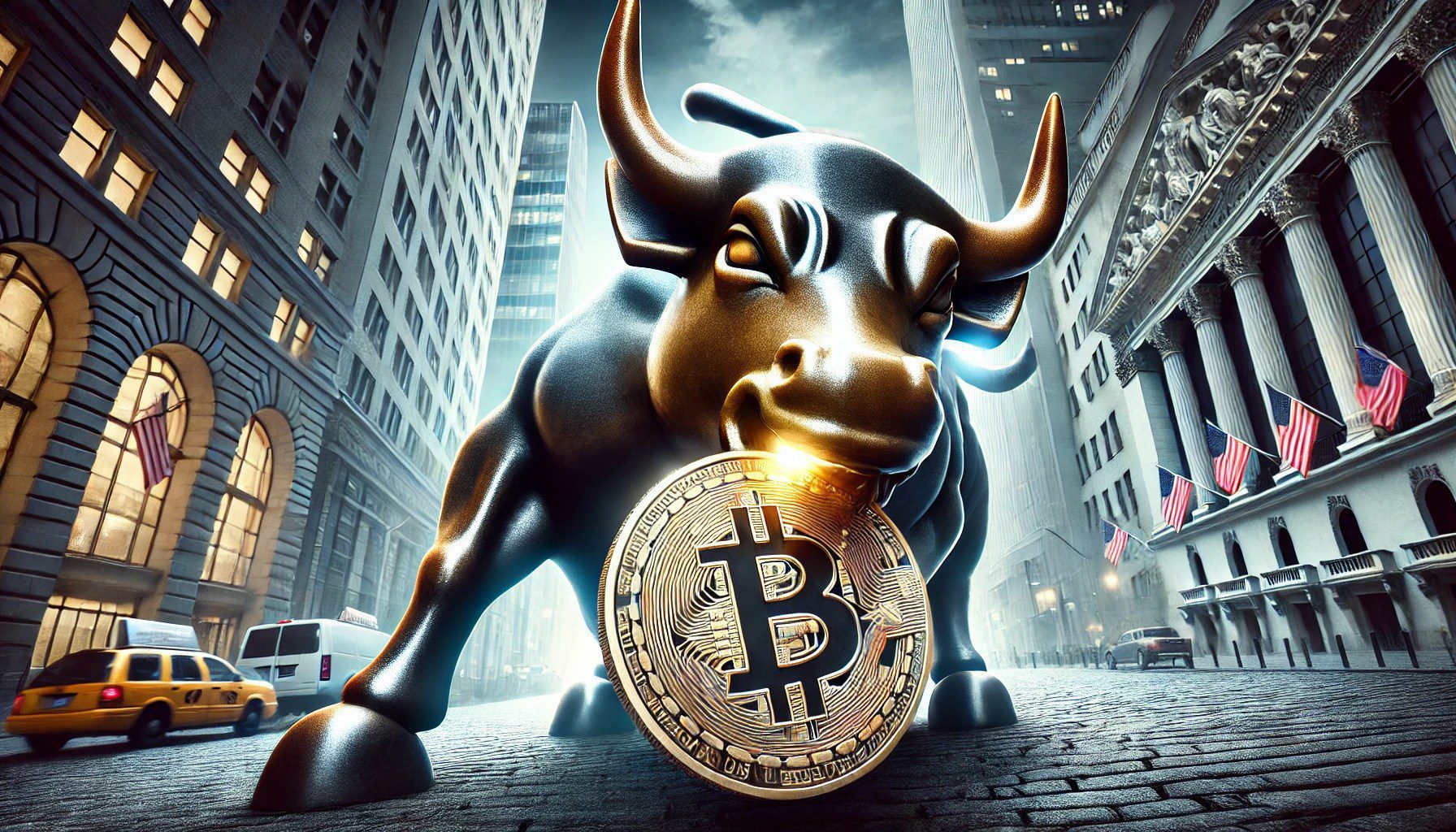
In this environment, Bitcoin stands out as an unexpected winner. Visser pointed to “19 consecutive days of ETF inflows,” increasing institutional investments, and even “state-level reserves being established” as indicators that Bitcoin is evolving into a macro-hedge just as the traditional rate system transforms. He concisely stated the disparity: “While the traditional system struggles, Bitcoin is thriving… Yet very few are paying attention. That’s your cue.”
His concluding remarks intertwine the two technological trends he deems critical today. “AI is advancing at a pace quicker than Moore’s Law. Bitcoin is gradually securing its position as a global reserve asset. Meanwhile, the financial infrastructure is being reconstructed in real time. Shift your focus from outdated tariff discussions to what lies ahead.”
Though Visser refrains from predicting specific Bitcoin prices or US yield levels, his perspective suggests that a landscape of consistently elevated real rates and swift advancements in AI favors scarce, non-sovereign forms of collateral.
As of the latest update, BTC was valued at $104,718.