The integration of blockchain technology into voting systems has emerged as a revolutionary concept in the cryptocurrency industry. As the world grapples with issues of electoral integrity, transparency, and security, blockchain offers a promising solution. This guide delves into the benefits and risks associated with blockchain voting systems, providing a comprehensive overview for both enthusiasts and skeptics alike.
Understanding Blockchain Voting Systems
Blockchain voting systems utilize decentralized ledger technology to record votes in a secure and transparent manner. Each vote is stored as a transaction on a blockchain, ensuring that it is immutable and verifiable. This technology can potentially transform how elections are conducted, making them more accessible and trustworthy.
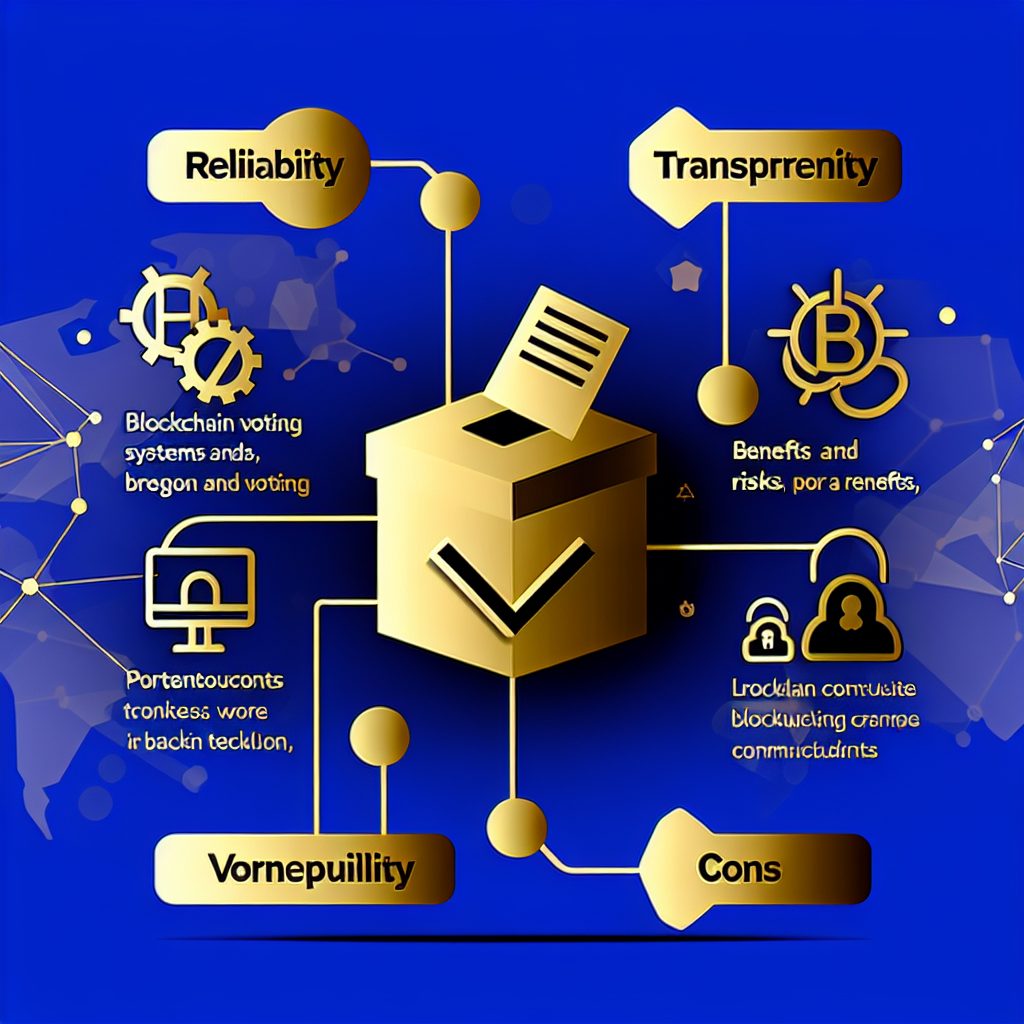
Benefits of Blockchain Voting Systems
1. Enhanced Security
One of the most significant advantages of blockchain voting systems is their enhanced security. Traditional voting systems are often vulnerable to fraud, tampering, and hacking. In contrast, blockchain’s decentralized nature makes it exceedingly difficult for malicious actors to alter the voting records.
- Immutable Records: Once a vote is recorded on the blockchain, it cannot be changed or deleted, ensuring the integrity of the election.
- Cryptographic Security: Blockchain employs advanced cryptographic techniques to secure data, making unauthorized access nearly impossible.
2. Increased Transparency
Transparency is crucial in any electoral process. Blockchain voting systems allow all participants to verify the results independently. This transparency fosters trust among voters and stakeholders.
- Public Ledger: The blockchain serves as a public ledger where all transactions (votes) are recorded, allowing anyone to audit the results.
- Real-Time Tracking: Voters can track their votes in real-time, ensuring that their choices are accurately reflected.
3. Accessibility and Inclusivity
Blockchain voting systems can significantly enhance accessibility for voters, particularly those in remote or underserved areas. By enabling online voting, these systems can increase voter participation.
- Remote Voting: Voters can cast their ballots from anywhere in the world, eliminating geographical barriers.
- Support for Disabled Voters: Blockchain voting can be designed to accommodate individuals with disabilities, ensuring that everyone has a voice.
4. Cost Efficiency
Implementing blockchain voting systems can lead to substantial cost savings for electoral bodies. Traditional voting methods often involve significant expenses related to paper ballots, polling stations, and personnel.
- Reduced Administrative Costs: Automating the voting process can lower the need for extensive staffing and resources.
- Lower Infrastructure Costs: Digital voting reduces the need for physical infrastructure, such as polling places.
5. Faster Results
In traditional voting systems, counting votes can take days or even weeks. Blockchain technology can expedite this process, providing results almost instantaneously.
- Immediate Tallying: Votes are counted in real-time, allowing for quicker reporting of results.
- Reduced Human Error: Automation minimizes the risk of errors associated with manual counting.
Risks of Blockchain Voting Systems
1. Technological Barriers
While blockchain technology offers numerous benefits, it also presents challenges, particularly regarding technological infrastructure. Not all regions have the necessary resources to implement blockchain voting systems effectively.
- Digital Divide: Areas with limited internet access may struggle to participate in online voting.
- Technical Literacy: Voters must possess a certain level of technical knowledge to navigate blockchain voting platforms.
2. Cybersecurity Threats
Despite its inherent security features, blockchain voting systems are not immune to cyber threats. Hackers may attempt to exploit vulnerabilities in the system.
- Smart Contract Vulnerabilities: Flaws in smart contracts can lead to exploitation and manipulation of the voting process.
- Phishing Attacks: Voters may fall victim to phishing schemes designed to steal their credentials.
3. Lack of Regulation
The regulatory landscape surrounding blockchain voting is still evolving. Without clear guidelines, the implementation of these systems may face legal challenges.
- Uncertain Legal Status: The legality of blockchain voting varies by jurisdiction, creating confusion and potential disputes.
- Regulatory Compliance: Ensuring compliance with existing electoral laws can be complex and challenging.
4. Voter Anonymity Concerns
While blockchain voting systems can enhance transparency, they also raise questions about voter anonymity. Striking a balance between transparency and privacy is crucial.
- Traceability of Votes: The public nature of blockchain may lead to concerns about the traceability of individual votes.
- Potential for Coercion: If votes can be traced back to individuals, there is a risk of coercion or intimidation.
5. Resistance to Change
Implementing blockchain voting systems may face resistance from various stakeholders, including government officials, political parties, and the general public.
- Fear of the Unknown: Many individuals may be hesitant to embrace new technology, fearing potential failures or complications.
- Political Interests: Established political entities may resist changes that threaten their power or influence.
Case Studies of Blockchain Voting Systems
1. Estonia’s E-Voting System
Estonia is often cited as a pioneer in digital governance, having implemented an e-voting system that utilizes blockchain technology. Since 2005, Estonians have been able to vote online in local and national elections.
- Security Measures: The system employs strong encryption and digital signatures to ensure the integrity of votes.
- Voter Confidence: High levels of voter participation indicate a strong public trust in the system.
2. Utah County, USA
In 2020, Utah County conducted a pilot program using blockchain technology for absentee voting. The initiative aimed to enhance security and accessibility for voters.
- Positive Feedback: Participants reported a high level of satisfaction with the ease of use and security of the system.
- Future Plans: Following the pilot’s success, officials are considering broader implementation in future elections.
3. Voatz in the United States
Voatz is a mobile voting platform that leverages blockchain technology to facilitate secure voting for military personnel and overseas citizens. The platform has been used in various elections across the United States.
- Accessibility: Voatz allows users to vote from their smartphones, making it easier for those who are away from their home jurisdictions.
- Security Features: The platform employs biometric authentication and end-to-end encryption to protect voter data.
Future of Blockchain Voting Systems
The future of blockchain voting systems appears promising, with ongoing advancements in technology and increasing interest from governments and organizations worldwide. As more jurisdictions explore the potential of blockchain for elections, several trends are likely to emerge.
- Increased Adoption: More countries may adopt blockchain voting systems, particularly in regions with a history of electoral fraud.
- Regulatory Frameworks: As the technology matures, clearer regulations will likely be established to govern its use in elections.
- Integration with Other Technologies: Blockchain may be combined with other technologies, such as artificial intelligence, to enhance the voting process further.
FAQs
What is a blockchain voting system?
A blockchain voting system is a digital voting platform that uses blockchain technology to securely record and verify votes, ensuring transparency and integrity in the electoral process.
How does blockchain enhance voting security?
Blockchain enhances voting security through its decentralized nature, cryptographic techniques, and immutability, making it difficult for unauthorized parties to alter or tamper with votes.
Are blockchain voting systems widely adopted?
While some countries, like Estonia, have successfully implemented blockchain voting, widespread adoption is still in its early stages, with many jurisdictions exploring pilot programs and studies.
What are the main risks associated with blockchain voting?
The main risks include technological barriers, cybersecurity threats, lack of regulation, voter anonymity concerns, and resistance to change from stakeholders.
Can blockchain voting systems ensure voter anonymity?
While blockchain voting systems can enhance transparency, ensuring complete voter anonymity remains a challenge due to the public nature of blockchain records.
Conclusion
Blockchain voting systems present a transformative opportunity for the electoral process, offering enhanced security, transparency, and accessibility. However, the risks associated with this technology must be carefully managed to ensure its successful implementation. As the cryptocurrency industry continues to evolve, the potential for blockchain to revolutionize voting remains significant. For those interested in staying updated on the latest developments in the crypto space, consider joining the Bitrabo Community for news, airdrops, and more.
Follow Bitrabo on social media for the latest updates: X, Instagram, Threads, Facebook, LinkedIn.
Disclaimer: The information provided in this article is for informational purposes only and should not be considered financial or legal advice. Always conduct your own research before making any investment decisions.