Decentralized finance (DeFi) continues to evolve, presenting unique challenges for governance structures. One major figure in the DeFi space, Charles Hoskinson, the founder of Cardano, recently commented on a governance issue involving the Liqwid protocol. His statements highlight a critical question within DeFi: Is governance truly democratic when the individuals making key decisions may stand to benefit from those very decisions?
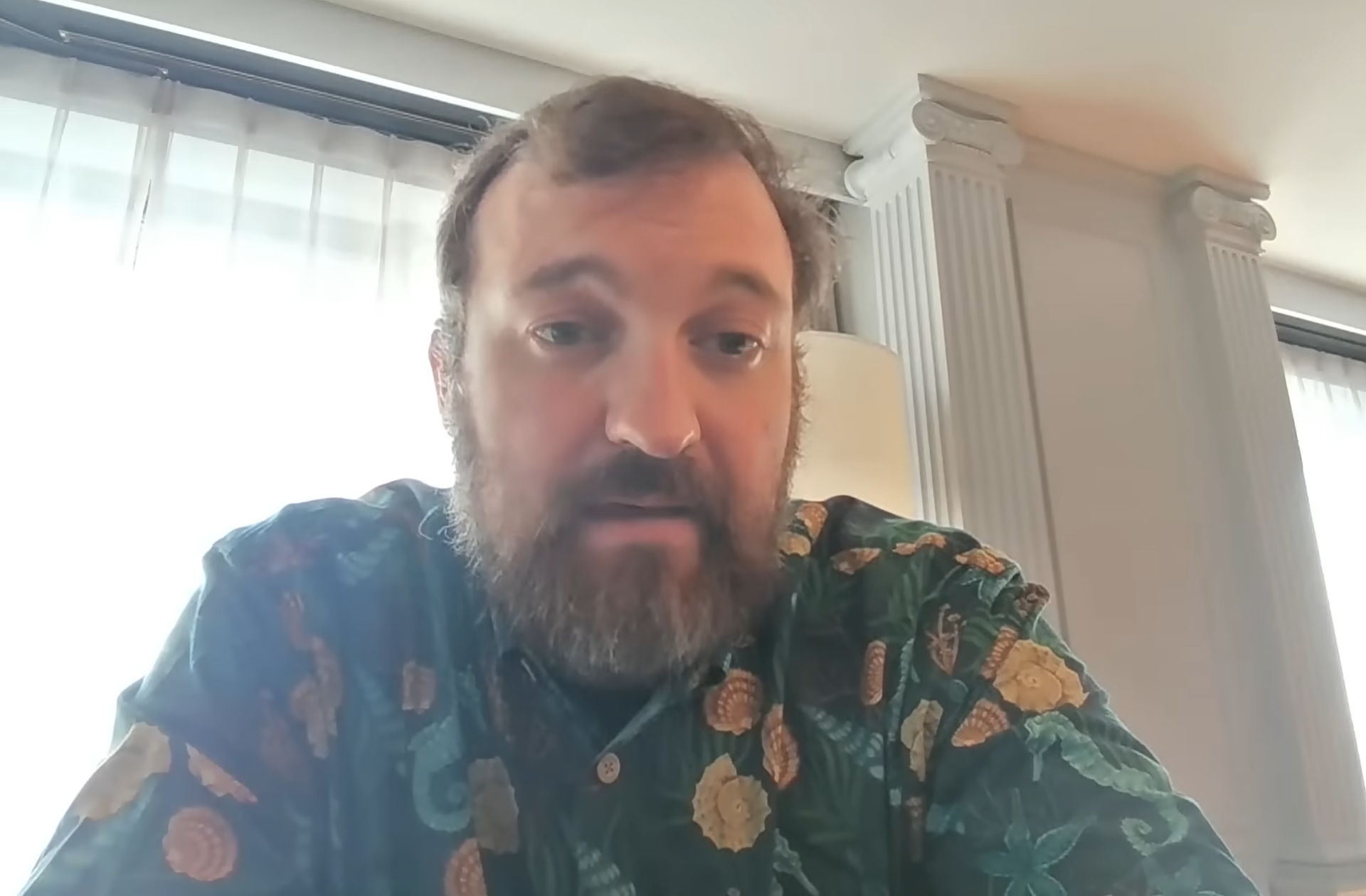
During a live stream from Wyoming, Hoskinson expressed his hesitancy to engage in DeFi matters without a community consensus. However, he felt compelled to address the Liqwid situation, especially after promises made in October regarding the allocation of protocol assets that were expected to be returned to the original investors.
The controversy centers around a substantial amount of Midnight’s NIGHT tokens associated with Liqwid’s ADA market. Current estimates suggest that the total allocation amounts to approximately 18.81 million NIGHT tokens, which translates to nearly $1 million. This significant financial component sheds light on why the latest vote received substantial attention; the implications extend beyond mere governance and touch on financial equity and accountability.
Addressing Governance Challenges
Hoskinson pointed out that the Liqwid team faced obstacles related to governance and compliance within the DeFi space. He noted, “The team apparently lacked the legal authority as stipulated in their DAO’s user agreement, which contributed to the governance dilemma.” He emphasized that beyond this technicality, the critical issue lies in how the situation has been managed.
His solution was simple: initiate another vote, but under conditions that are both clear and focused. As he articulated, “In DAO governance, two actions are necessary: First, insiders must recuse themselves if they are likely to benefit from the vote. Second, the central question should simply be whether the previous commitments should be upheld.”
This approach strikes at the heart of his argument. Users entrusted their investments into Liqwid with the expectation that prior commitments would be upheld. “People invested money based on an understanding of stated commitments, and it’s crucial that these trust-based relationships are honored,” he remarked. “Those responsible for maintaining these systems must uphold high standards.”
Legitimacy was another key theme in Hoskinson’s critique. He asserted that DAOs gain credibility not just from holding votes but from ensuring that a diverse range of participants can freely engage in the decision-making process. “Legitimacy comes from widespread participation, not from the decisions of a select few,” he asserted. “If people perceive that only a small group of insiders controls the process, it risks undermining the very foundation of governance.”
To bolster trust and credibility, Hoskinson suggested that insiders disclose their holdings, step back from voting, and allow token holders to determine whether earlier commitments should be honored. Should the community vote in favor, the protocol ought to deliver on those commitments. If not, the community could explore alternative options for asset allocation.
Hoskinson did clarify that while he does not possess direct influence over the outcomes of governance or asset distributions, he expressed concern about the long-term repercussions of mismanaging public trust. “A breach of trust, or the mere perception of one, could severely hinder Liqwid’s ability to expand and succeed,” he warned. “If stakeholders lack confidence in the governance process, they may seek to invest elsewhere.”
Lastly, for Liqwid to regain its reputation for integrity, Hoskinson believes that transparency, insider recusal, and a straightforward re-vote are essential steps forward.
As of this writing, the Cardano token was valued at $0.29, reflecting the ongoing fluctuations in the cryptocurrency market.