The recent departure of Trish Turner from the IRS digital assets unit has intensified scrutiny on the future of cryptocurrency tax regulations in the United States.
As reported by Bloomberg Tax, Turner left her position just a few months after her appointment, marking the end of a notable 20-year tenure at the IRS.
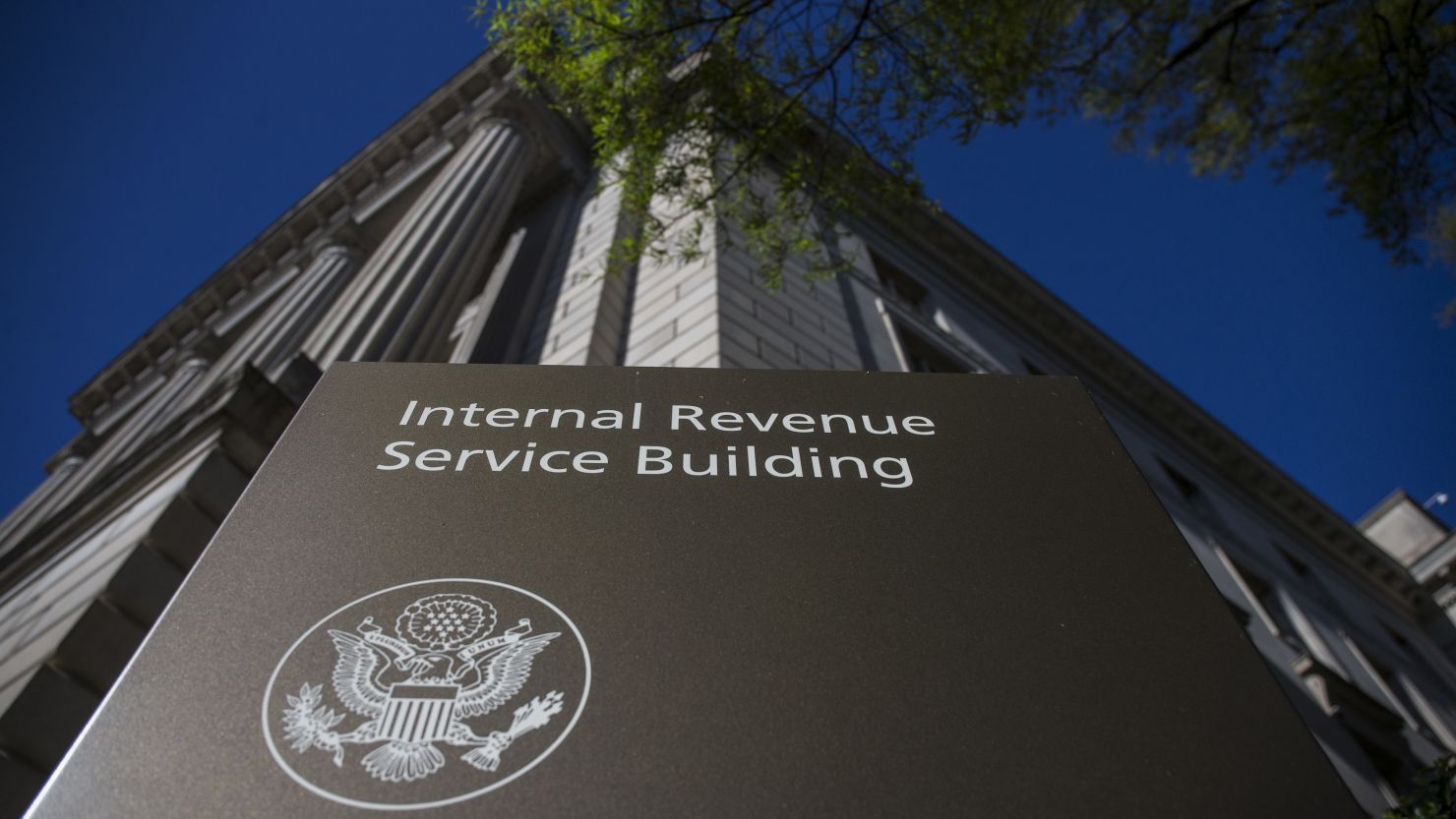
The Implications of Turner’s Departure
LinkedIn posts and various news outlets indicate that Turner expressed her enthusiasm for tackling new challenges in the crypto sector and fostering relationships between industry professionals and regulators.
She is reportedly slated to join the crypto tax consultancy firm Crypto Tax Girl, confirming her transition to a vital role within the private sector.
This shift highlights a growing trend where expertise in public-sector regulatory frameworks is highly sought after in the private cryptocurrency market.
Recent Leadership Changes at the IRS
Turner’s exit follows that of two predecessors in the IRS crypto unit, each serving approximately one year. Both Sulolit “Raj” Mukherjee and Seth Wilks departed before Turner’s appointment, raising concerns about leadership stability.
This trend poses challenges as regulatory bodies, including Congress, demand clearer policies and enforcement strategies for digital asset taxation.
On July 11, hearings were scheduled by House committee leaders to establish a structured tax policy for digital assets. These proceedings will test the IRS’s adaptability amidst continuous leadership change.
Political Pressures and Regulatory Environment
A series of recent developments have heightened the urgency surrounding cryptocurrency taxation. The US President endorsed a resolution on July 4, revoking a previous requirement for certain DeFi protocols to report transactions to the IRS, which significantly alters regulatory expectations.
In another instance, on April 11, the US Treasury Inspector General for Tax Administration encouraged reforms after identifying shortcomings in how IRS investigators approached digital asset cases.
Furthermore, the recent proposal from the Department of Government Efficiency (D.O.G.E.) to reduce the IRS workforce by 20% suggests a potential overhaul in operational capacity throughout the agency.
Industry Reactions and Future Directions
Economist Timothy Peterson humorously remarked on Turner’s career move, likening her transition from the IRS to a “Crypto Jedi Knight.”
This lighthearted comment underscores a broader trend: regulators are increasingly moving to private companies that need expertise to navigate the evolving landscape of digital asset taxation.
IRS Director Trish Turner left the Dark Side to become a Crypto Jedi Knight. Also to make 10X what the IRS paid her. Bio listed within hours. Don’t hate on her. One less of them. One more of us. pic.twitter.com/AgzjXWn1I9
— Timothy Peterson (@nsquaredvalue) August 22, 2025
For both taxpayers and organizations, this transition may facilitate enhanced access to specialized guidance in tax matters. Conversely, for the IRS, the challenge remains to preserve institutional knowledge as seasoned professionals depart.
Looking Ahead After Turner
While specific start dates for Turner’s new role have not been announced, the IRS has yet to outline a plan for her successor.
With upcoming hearings and recommendations from the inspector general in consideration, the IRS’s activities regarding digital assets are set to continue unabated.
How promptly the IRS reinstates its leadership and maintains experienced personnel will be crucial for lawmakers as well as the businesses navigating the dynamic tax regulations surrounding cryptocurrencies.
Featured image from Getty Images, chart courtesy of TradingView