The rise of cryptocurrency has opened new avenues for artists worldwide, including those in Ghana. As the digital economy expands, artists can leverage blockchain technology to enhance their careers, reach global audiences, and monetize their work in innovative ways. This guide aims to provide Ghanaian artists with a comprehensive understanding of how to navigate the cryptocurrency landscape effectively.
Understanding Cryptocurrency
Cryptocurrency is a form of digital or virtual currency that uses cryptography for security. Unlike traditional currencies, cryptocurrencies operate on decentralized networks based on blockchain technology. This decentralization means that no single entity, like a bank or government, controls the currency, allowing for greater freedom and flexibility.
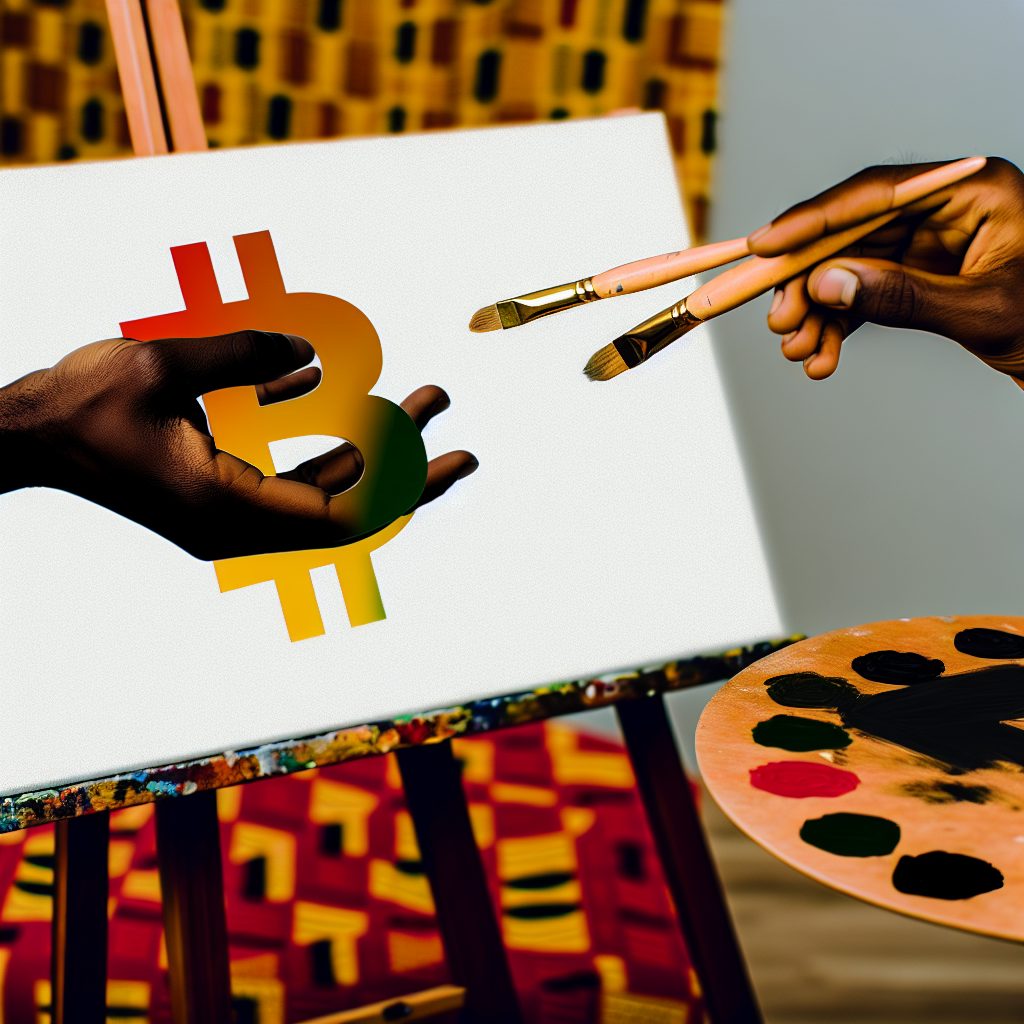
Key Features of Cryptocurrency
- Decentralization: No central authority governs cryptocurrencies, which reduces the risk of manipulation.
- Security: Cryptocurrencies use cryptographic techniques to secure transactions and control the creation of new units.
- Anonymity: Users can transact without revealing their identities, providing a level of privacy.
- Global Reach: Cryptocurrencies can be sent and received anywhere in the world, making them ideal for international transactions.
Why Should Ghanaian Artists Consider Cryptocurrency?
For artists in Ghana, embracing cryptocurrency can lead to numerous benefits:
- Direct Sales: Artists can sell their work directly to consumers without intermediaries, maximizing profits.
- Global Audience: Cryptocurrencies allow artists to reach a worldwide audience, expanding their market significantly.
- New Revenue Streams: Artists can explore new avenues such as NFTs (Non-Fungible Tokens) to monetize their digital art.
- Lower Transaction Fees: Cryptocurrency transactions often have lower fees compared to traditional payment methods.
Getting Started with Cryptocurrency
To begin your journey into the world of cryptocurrency, follow these essential steps:
1. Educate Yourself
Understanding the basics of cryptocurrency is crucial. Numerous online resources, courses, and communities can help you learn about blockchain technology, different cryptocurrencies, and how to trade them. Websites like CoinDesk and CoinTelegraph offer valuable insights and news updates.
2. Choose a Cryptocurrency Wallet
A cryptocurrency wallet is essential for storing your digital assets securely. There are several types of wallets:
- Hot Wallets: These are connected to the internet and are convenient for frequent transactions.
- Cold Wallets: These are offline wallets that provide enhanced security for long-term storage.
Popular wallet options include Exodus and Ledger.
3. Buy Cryptocurrency
Once you have a wallet, you can purchase cryptocurrency. Various platforms allow you to buy crypto using local currency. Some popular exchanges include:
Ensure you choose a platform that supports transactions in Ghanaian Cedi (GHS) for ease of use.
4. Explore NFTs
Non-Fungible Tokens (NFTs) have revolutionized the art world by allowing artists to tokenize their work. NFTs are unique digital assets that represent ownership of a specific item, such as artwork, music, or videos. Platforms like OpenSea and Foundation enable artists to create and sell their NFTs.
How to Create and Sell NFTs
Creating and selling NFTs can be a lucrative venture for Ghanaian artists. Here’s a step-by-step guide:
Step 1: Choose Your Art
Select the artwork you want to tokenize. This could be a digital painting, a music track, or any other creative work.
Step 2: Select an NFT Marketplace
Choose a marketplace that aligns with your artistic vision. Popular options include:
Step 3: Mint Your NFT
Minting is the process of creating your NFT on the blockchain. Follow the marketplace’s instructions to upload your artwork and set the parameters for your NFT, such as price and royalties.
Step 4: Promote Your NFT
Once your NFT is minted, promote it through social media, your website, and other channels to attract potential buyers. Engaging with the crypto community can also help increase visibility.
Payment Options for Artists
When selling art or NFTs, you can choose various payment options. Here are some popular cryptocurrencies that you might consider accepting:
- Bitcoin (BTC): The first and most widely recognized cryptocurrency.
- Ethereum (ETH): The primary currency for NFTs and smart contracts.
- Litecoin (LTC): Known for its faster transaction times compared to Bitcoin.
Using a multi-currency wallet can help you manage different cryptocurrencies efficiently.
Legal Considerations for Ghanaian Artists
As you venture into the cryptocurrency space, it’s essential to understand the legal landscape in Ghana. Here are some key points to consider:
- Regulations: Stay informed about the regulations governing cryptocurrency in Ghana. The Bank of Ghana has issued guidelines regarding the use of digital currencies.
- Tax Implications: Be aware of any tax obligations related to cryptocurrency transactions and income.
- Intellectual Property: Ensure that your work is protected under Ghanaian copyright laws, especially when selling NFTs.
Building a Community
Engaging with other artists and crypto enthusiasts can significantly enhance your experience in the cryptocurrency space. Here are some ways to build a community:
- Join Online Forums: Participate in forums and social media groups focused on cryptocurrency and art.
- Attend Events: Look for local or virtual events related to cryptocurrency and art to network with like-minded individuals.
- Collaborate: Collaborate with other artists to create unique projects that can attract attention in the crypto space.
FAQs
What is the best cryptocurrency for artists to use?
While Bitcoin and Ethereum are popular choices, the best cryptocurrency depends on your specific needs. Ethereum is particularly favored for NFTs due to its smart contract capabilities.
How can I protect my digital art when selling it as an NFT?
Ensure that you have copyright over your work and consider using watermarks or other protective measures when promoting your art.
Are there any risks associated with using cryptocurrency?
Yes, cryptocurrency markets can be volatile, and there are risks of fraud and hacking. Always use secure wallets and conduct thorough research before investing.
Can I convert my cryptocurrency back to Ghanaian Cedi?
Yes, many exchanges allow you to convert cryptocurrencies back to local currency. Ensure you choose a platform that supports GHS transactions.
Conclusion
Cryptocurrency presents a unique opportunity for Ghanaian artists to expand their reach, monetize their work, and engage with a global audience. By understanding the basics of cryptocurrency, exploring NFTs, and building a community, artists can navigate this exciting landscape effectively. For ongoing updates and resources, consider joining the Bitrabo community, where you can find crypto news, airdrops, and new listings alerts. Follow Bitrabo on X, Instagram, Threads, Facebook, and LinkedIn.
Disclaimer: This article is for informational purposes only and does not constitute financial advice. Always conduct your own research before making any investment decisions.