The ongoing discussions regarding the much-anticipated cryptocurrency regulation, specifically the CLARITY Act, are gaining traction after significant dialogues held at the White House. Although a consensus is still pending, the atmosphere hints at progress and shared commitment among key stakeholders.
White House Intensifies Crypto Regulation Initiatives
Leading the charge, Patrick Witt, the head of the President’s Council of Advisers on Digital Assets, characterized the recent discussions as a notable advancement in a social media update. He emphasized optimism about reaching a resolution, indicating that continued constructive negotiations could help meet the impending deadline.
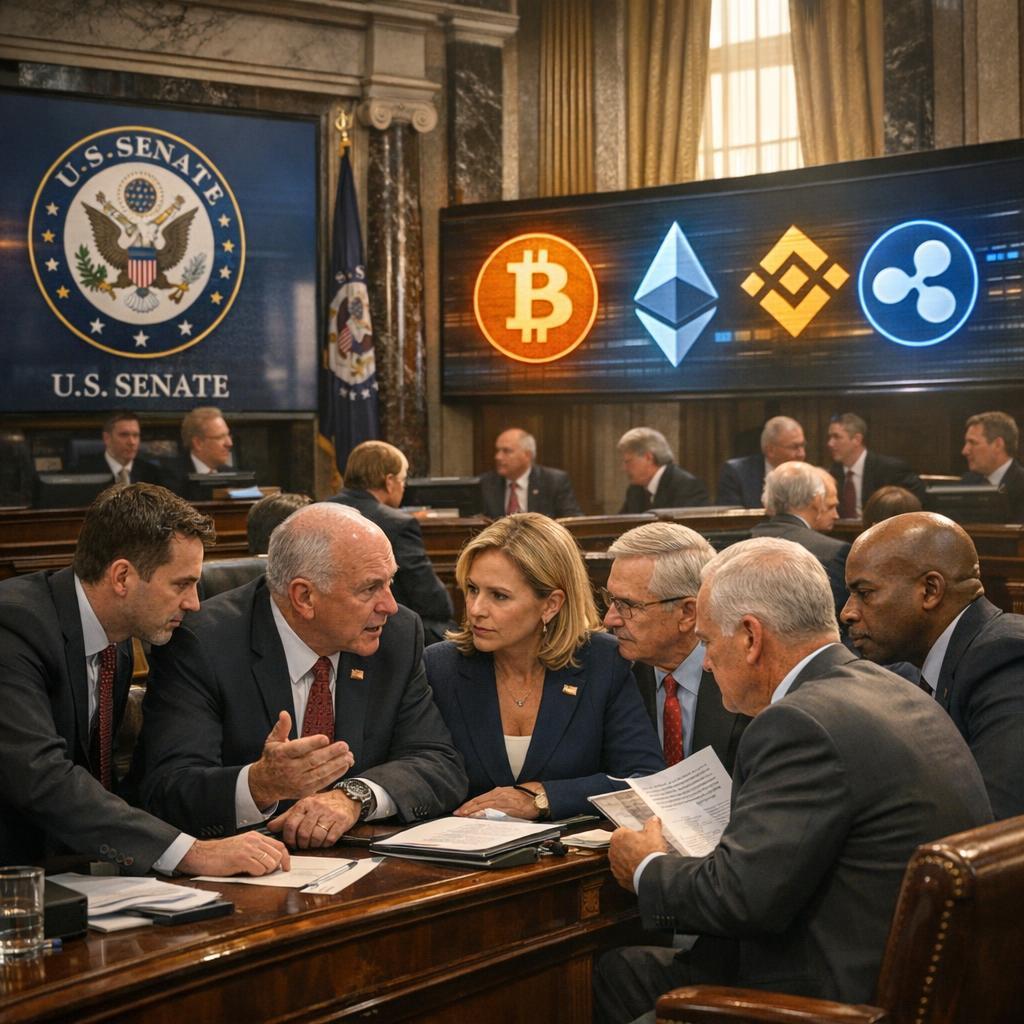
Insights from journalist Eleanor Terrett shed light on the dynamics of the latest gathering. This meeting attracted fewer participants than previous iterations, with representatives from notable names such as Coinbase and Ripple contributing. However, rather than direct participation from individual banking leaders, various trade associations represented the banking sector.
These associations included the American Bankers Association and the Bank Policy Institute, demonstrating a collective approach among banks. This cooperative stance aims to strengthen their influence in discussions surrounding the evolving cryptocurrency framework.
Notably, during this session, the White House adopted a more proactive approach compared to earlier talks where industry lobbyists dominated the dialogue. Witt unveiled proposed legislative drafting, which became a primary focus of the conversations.
The newly introduced draft outlines provisions addressing reservations raised by banks, particularly highlighted in a recent document on “Yield and Interest Prohibition Principles.” This proposed wording reassures stakeholders that limitations on rewards will be narrowly defined, ensuring precision in regulatory approaches.
Crucially, discussions have pivoted, indicating that the practice of gaining yield from stagnant stablecoin holdings might be effectively sidelined. The argument has transitioned into whether entities can offer incentives tied to specific transactional engagements instead of general account balances.
Proposed Daily Penalties Highlight Regulatory Intent
Feedback from the cryptocurrency industry suggests that banks’ reluctance may be more influenced by competition than previous concerns over deposit exodus. This shift in perspective is reshaping how stakeholders view the potential impact of stablecoins on traditional banking.
Insiders from banking factions continue to promote a comprehensive analysis within the bill to understand the implications of payment-oriented stablecoins on traditional bank deposits, looking at long-term trends and shifts.
Reports indicate a growing confidence regarding a proposed anti-evasion clause in the recent draft. This provision proposes empowering regulatory bodies, including the SEC and CFTC, to enforce compliance with any prohibitions on yielding from idle balances, signalling a rigorous enforcement approach.
Enforcement measures could see penalties soar to $500,000 per day for violations, illustrating the seriousness of the guidelines being cultivated.
Further discourse from Terrett informs that the subsequent phase will involve an outreach effort by banking trade associations to consult their members on recent changes and their stance regarding various types of stablecoin rewards.
As negotiations evolve, stakeholders anticipate continuous dialogue in the upcoming days. Optimism remains, with sources indicating that the end-of-month resolution timeline appears achievable despite ongoing differences, showcasing an upward momentum toward adapting regulatory frameworks.
Insightful image from OpenArt, data visualization courtesy of TradingView.com