The landscape of digital finance is shifting as Russia gears up to implement a comprehensive regulatory framework for cryptocurrencies. Lawmakers and financial authorities are taking significant steps toward establishing clear definitions and guidelines for digital asset transactions within Russian borders.
As noted by Anatoly Aksakov, the chairperson of the State Duma Committee on the Financial Market, the proposed legislative package is anticipated to be finalized by the end of June this year.
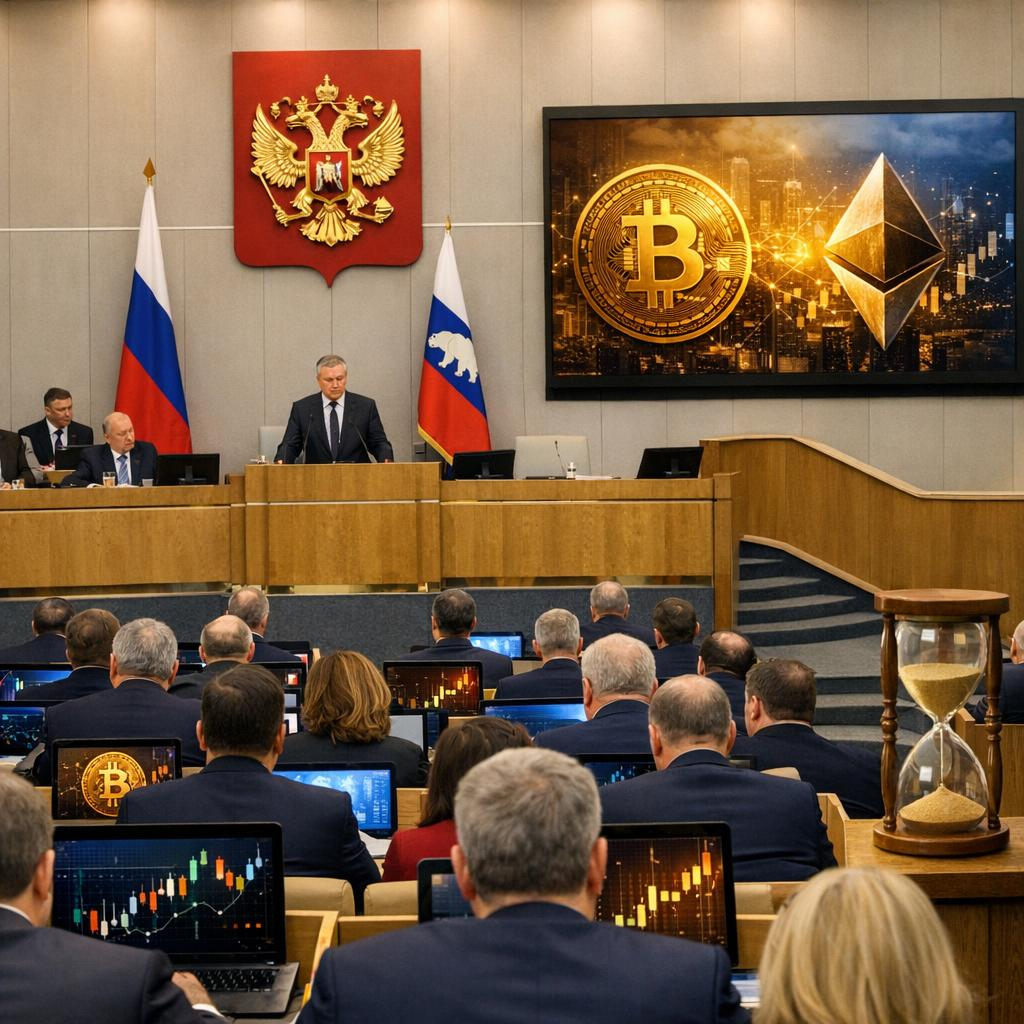
Scheduled to commence on July 1, 2027, the upcoming regulations will impose legal liabilities on intermediaries engaged in illegal activities related to cryptocurrencies. The penalties will align with those applied in the traditional banking sector for unauthorized operations.
Framework from Russia’s Central Bank
The foundation for these reforms has been in the works for several months. Reports have surfaced indicating that the Central Bank officially submitted its regulatory proposals to the government in December of the previous year.
In its conceptual report, the Central Bank designates digital currencies and stablecoins as tradable assets, while maintaining a prohibition on their usage as payment methods within the nation.
As part of the proposed guidelines, retail investors with limited backgrounds in cryptocurrency would only be eligible to purchase the most widely recognized cryptocurrencies, contingent upon passing a suitability assessment.
Assets such as Bitcoin (BTC) and Ethereum (ETH) are likely to be included, alongside other popular assets like Solana (SOL) or Toncoin (TON). All remaining digital currencies would be restricted to qualified investors.
Even for these qualified participants, there are additional stipulations. They must complete mandatory testing to confirm their understanding of the risks involved in cryptocurrency transactions.
Once they have passed the necessary assessments, these investors will be allowed to invest in cryptocurrencies without limitation, though a significant restriction will be placed on anonymous digital currencies.
The Central Bank has made its position clear: cryptocurrencies that obscure transaction details will not be allowed, as they do not comply with anti-money laundering regulations. Notable examples include Monero (XMR), Zcash (ZEC), and Dash (DASH).
Upcoming Legislative Milestones
Currently, work is ongoing to draft the proposed legislation. Aksakov remarked that the State Duma is progressing towards integrating these regulatory changes into law. The initial emphasis will be on delineating protocols for cryptocurrency issuance, mining, and circulation while reiterating the prohibition on using digital currencies for domestic payments.
He mentioned that the bill could be slated for its first reading as soon as next month. The new law is expected to encompass administrative, financial, and even criminal penalties to address illegal activities within the digital asset sphere.
This regulatory initiative follows an important legal decision made earlier this year. On January 20, 2026, a ruling by Russia’s Constitutional Court addressed a pivotal legal gap impacting numerous crypto holders.
Image credit: OpenArt, Chart Source: TradingView.com