The landscape of cryptocurrency regulation is constantly evolving, and recent remarks from lawmakers reflect significant concerns regarding the SEC’s approach to enforcement. As tension rises around how the SEC manages its legal pursuits, particularly with major players in the crypto sector, questions arise about the agency’s priorities and the implications for market governance.
In their communication to SEC Chair Gary Gensler, House representatives expressed dissatisfaction with the agency’s apparent retreat from vital enforcement actions. The contention underscores a critical debate surrounding the integrity of financial oversight in the rapidly expanding digital asset realm.
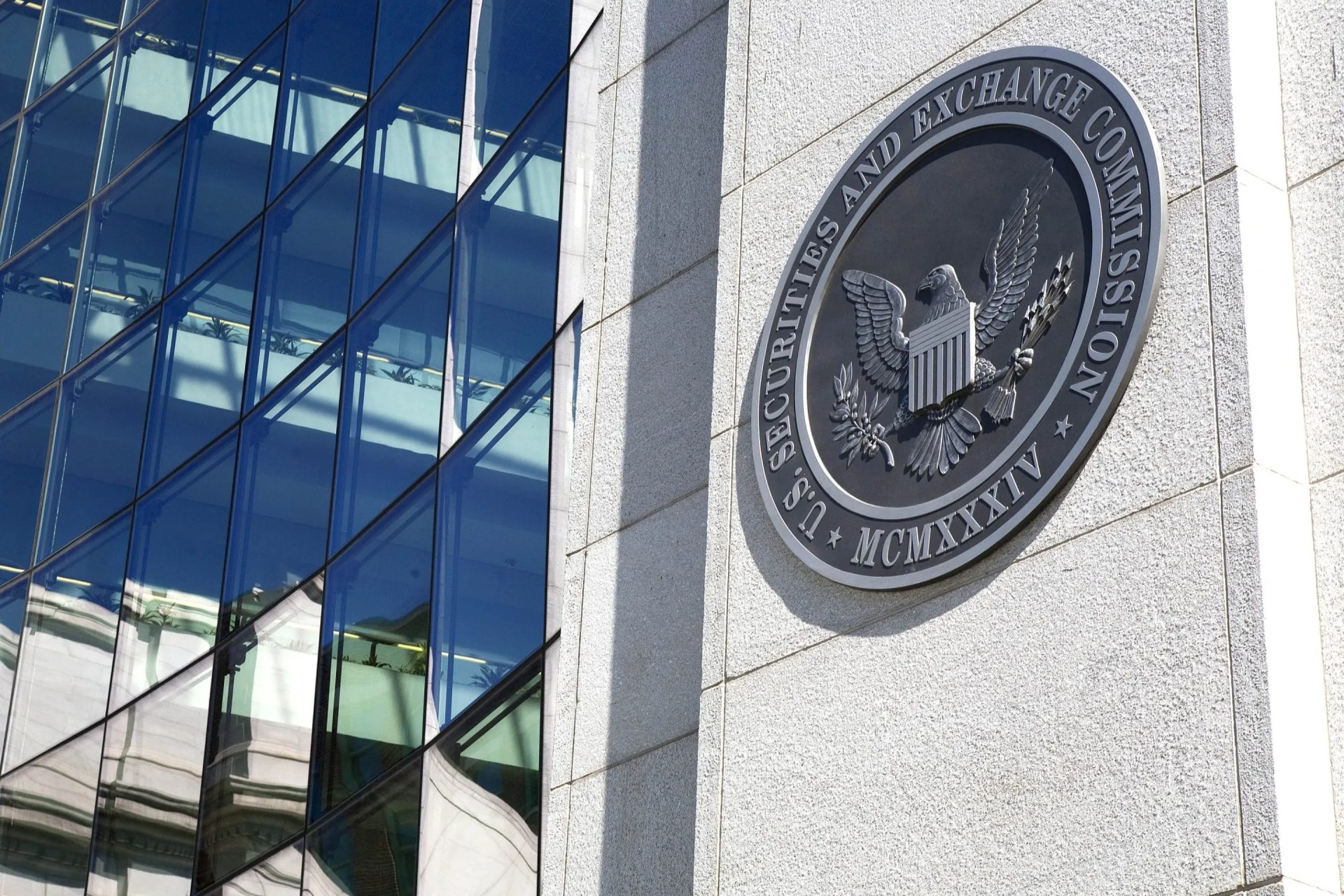
Regulatory Concerns Highlighted by Legislators
In a detailed letter sent in early January 2026, legislators raised alarm regarding the SEC’s apparent reduction in enforcement efforts targeting notable companies in the cryptocurrency space. The letter specifically pointed to actions involving industry giants such as Binance and Coinbase, questioning the rationale behind closing significant investigations.
One alarming element noted was the connection between political contributions and the termination of certain cases. Allegations surfaced suggesting that these companies, each committing substantial funds to political initiatives, may wield undue influence. This points to a potential conflict between regulatory impartiality and financial endorsements.
Moreover, the SEC’s prolonged engagement in its case against a specific figure within the crypto space raised eyebrows. Critics argue that the decision not to dismiss this case, unlike others, may signal a troubling trend where political affiliations potentially sway enforcement decisions, keeping scrutiny on individuals associated with controversial financial histories.
In the eyes of some lawmakers, the agency’s approach toward cases linked to prominent political figures could risk eroding trust in its commitment to fair market practices. This scrutiny extends to inquiries about the potential implications of any ties those figures may have with foreign governments, further complicating the public’s perception of the SEC’s objectivity.
Legal Perspectives on Cryptocurrency Enforcement
The discourse surrounding these enforcement actions has ignited debate among legal experts and advocates. Some voices in the industry firmly believe that the SEC’s prior actions, particularly concerning Ripple, may indeed have lasting consequences that prevent the agency from revisiting previously resolved matters.
Experts argue that legal precedents established by res judicata prevent the re-litigation of resolved issues. This principle emphasizes the finality of decisions, suggesting that prior cases closed on their merits cannot easily become the basis for new enforcement actions.
Yet, amidst this legal backdrop, the case against the individual linked to high-profile crypto projects remains pending and open-ended. Industry observers maintain that this unique standing could lead to further developments, potentially reigniting disputes over regulatory authority in the crypto industry.
Image courtesy of Getty Images, chart data from TradingView