The landscape of finance is undergoing a profound transformation, as innovative technologies challenge traditional practices. Among the leading forces in this shift are blockchain platforms such as Ripple (XRP) and Stellar (XLM). These platforms are setting the stage for a new era characterized by increased speed, efficiency, and accessibility in financial transactions.
The Role of Ripple (XRP) and Stellar (XLM) in Financial Transformation
According to recent insights from industry experts, Ripple and Stellar stand at the frontier of financial innovation. While regulations capture attention, the real change is happening through these networks, which facilitate seamless movement and settlement of value. Their adoption by a multitude of banks, fintech enterprises, and global payment systems signals a pivotal shift in how international transactions are executed.
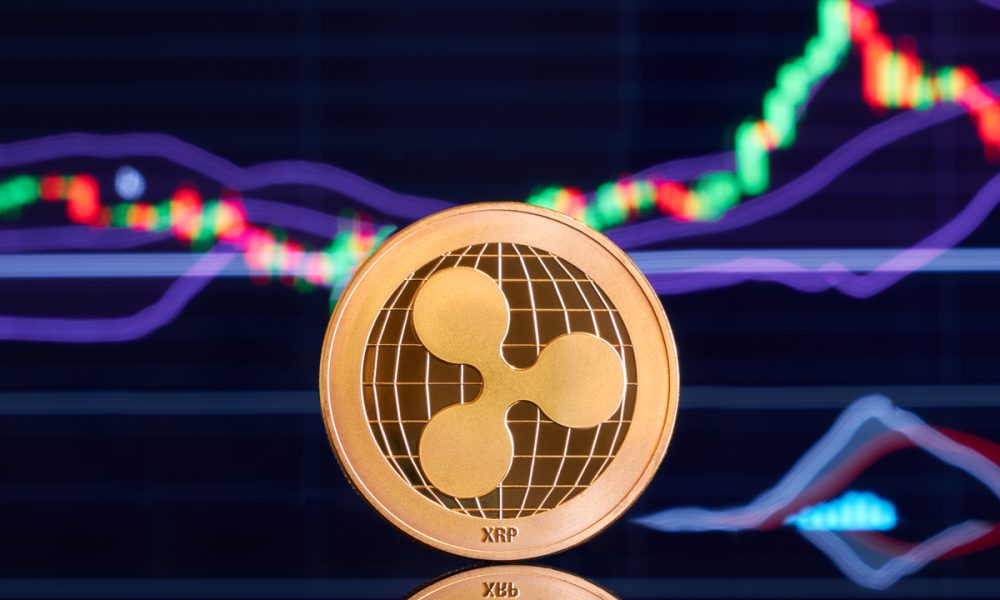
Ripple boasts an impressive throughput of over 1,500 transactions per second, with settlement times ranging from 3 to 5 seconds. This starkly contrasts with the lengthy processes in traditional banking, which can be hindered by delays of several days for cross-border transfers. With collaborations spanning over 350 financial institutions worldwide, Ripple’s On-Demand Liquidity (ODL) platform facilitates substantial daily cross-border transactions, establishing XRP as a vital player in the global financial arena.
In contrast, Stellar emphasizes financial inclusion, making it a game changer for low-cost micropayments and international remittances. Collaborations with organizations like IBM have enabled the creation of innovative blockchain payment solutions that extend reach to underserved populations globally. Stellar also champions the concept of tokenizing assets, making transactions faster and programmable, thereby enhancing overall efficiency. Together, Ripple and Stellar create a robust framework for a future defined by transparency and accessibility.
Tokenization and the Power of Decentralized Protocols
One of the most significant shifts driven by Ripple and Stellar is the adoption of tokenization and decentralized protocol governance. As various assets migrate to these platforms, control transitions from traditional financial institutions to the decentralized frameworks themselves. Ripple and Stellar serve as the infrastructure for liquidity, settlement, and value transfer, ensuring they remain at the core of modern finance.
Ripple’s capabilities allow for automated payments and facilitate seamless currency movement across various global systems. Concurrently, Stellar’s approach to turning fiat and other assets into digital tokens paves the way for rapid and cost-effective small payments and international remittance services. By leveraging these innovative networks, investors and financial institutions gain unprecedented access to the architecture of modern finance, where value and influence are inherently woven into the system.
In conclusion, Ripple (XRP) and Stellar (XLM) are not merely participants in the financial ecosystem; they are the very framework upon which the finance of the future will be built. Their widespread acceptance, tangible use cases, and scalable infrastructure exemplify a shift towards decentralized and programmable financial protocols. Those who actively engage with these technologies are poised to thrive in an evolving landscape where control and access are dictated by the capabilities of these innovative networks.