In a transformative announcement, the federal government is reevaluating its stance towards decentralized finance, commonly known as DeFi.
After prolonged ambiguity regarding the legal ramifications for developers and programmers, officials are now clearly distinguishing between the mere development of technology and illegal activities.
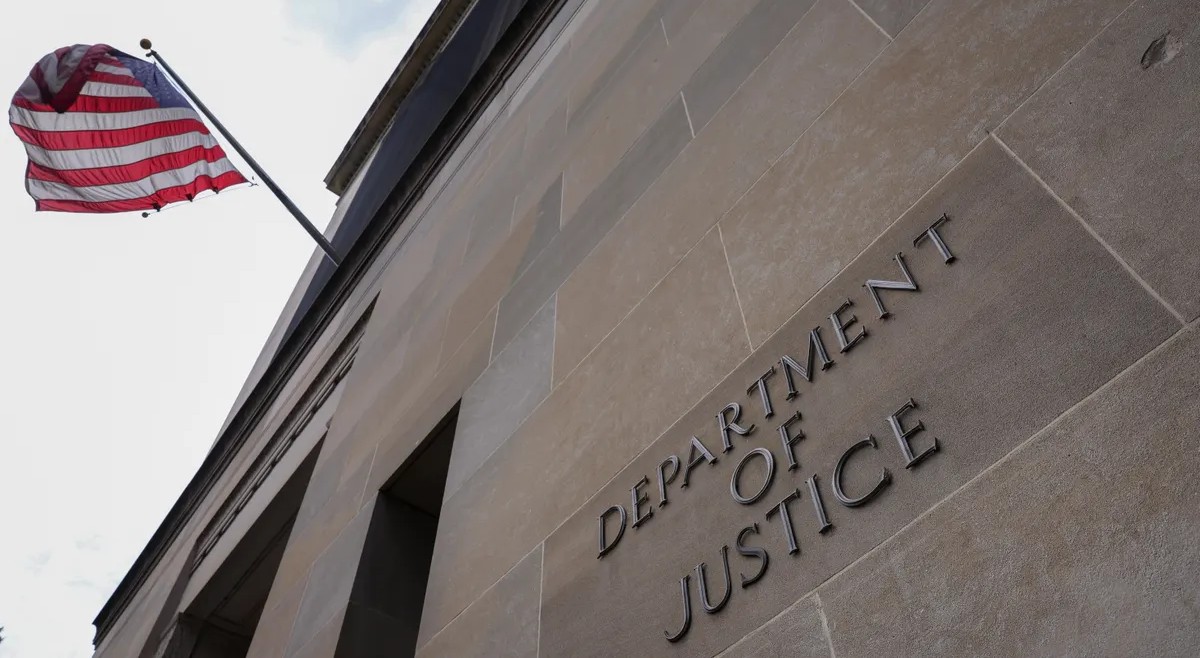
The US Justice Department has stated that it will no longer pursue charges against software developers of DeFi platforms in the absence of evidence demonstrating malicious intent.
Acting Assistant Attorney General Matthew Galeotti delivered this news at a summit dedicated to digital assets in Wyoming. He emphasized that merely writing code cannot be classified as a crime.
This marks a notable departure from previous enforcement practices, wherein developers were accused of running unauthorized money transmission businesses.
Changing Perspectives on Regulatory Compliance
Regulatory bodies have enforced strict guidelines for companies involved in money remittance. However, the emergence of DeFi platforms is challenging these constraints.
While conventional payment processors face specific requirements, DeFi projects argue that such regulations do not apply in a decentralized environment.
Services like PayPal and Venmo are obligated to obtain licenses and adhere to anti-money laundering laws, needing to authenticate users and report any dubious activities.
On the contrary, decentralized exchanges contend that these regulations do not suit their operational framework, given their lack of oversight over user actions.
BREAKING: U.S. DOJ’S ACTING AAG MATTHEW GALEOTTI STATED, “WRITING CODE WITHOUT MALICIOUS INTENT IS NOT A CRIME. CREATING INNOVATIVE SOLUTIONS FOR VALUE STORAGE AND TRANSMISSION SHOULD NOT BE PENALIZED WITHOUT CAUSE.”
— DEGEN NEWS (@DegenerateNews) August 21, 2025
Navigating the Complexities of Intent and Compliance
The topic gained significant attention following the recent conviction of Roman Storm, co-founder of Tornado Cash, on charges linked to managing an unauthorized money transfer operation.
Designed to enhance privacy, Tornado Cash complicates the traceability of DeFi and cryptocurrency transactions.
During the trial, jurors were split on whether Storm engaged in money laundering or breached sanctions.
Prosecutors asserted that the platform facilitated illicit financial activities, while defenders maintained that Storm’s actions were limited to coding.
The Importance of Intent in Future Prosecutions
Galeotti clarified that, going forward, cases in the DeFi and cryptocurrency domain will require clear evidence indicating that a developer intentionally contributed to fraud, sanctions evasion, or money laundering.
“Engaging in creative and novel methods for economic value transmission, devoid of malevolent intent, should not be subject to criminalization,” he affirmed.
He also pointed out that laws against unlicensed money transmission will only affect developers when there’s direct proof of intentional misconduct.
The attention of U.S. authorities is expected to stay on major threats like fraud, Ponzi schemes, and international money laundering networks.
Featured image from Getty Images, chart sourced from TradingView.