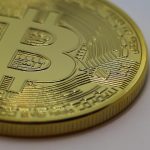
The University of Hong Kong (HKU) Business School is embarking on an innovative pathway by considering the acceptance of Bitcoin and various other digital assets for tuition and donation purposes. This initiative follows closely after the implementation of the Hong Kong Stablecoin Ordinance on August 1, which reflects the city’s ambition to become a significant player in the global virtual assets arena.
Support for Cryptocurrencies from HKU’s Leadership
The South China Morning Post reported that Professor Cai Hongin, the Dean of the Business School, has shown a strong commitment to exploring Bitcoin and cryptocurrency as viable payment methods. In his remarks made during the CryptoFi Forum on August 27, he encouraged stakeholders to back this pioneering payment system, stating:

We have worked out all the necessary technical aspects. Our goal is to enable transactions using Bitcoin and other digital currencies for tuition and donations going forward; even if we face losses, we will manage, but we must take this step forward.
An official spokesperson for HKU Business School reaffirmed their enthusiasm, stating the institution is “actively exploring” integration of digital currencies in their financial operations, aiming to foster a secure environment for practical cryptocurrency application. The spokesperson emphasized:
We are committed to advancing research and collaboration in the sector of digital currencies while ensuring sustainability and security.
Hong Kong’s Aspirations in the Digital Currency Sphere
Hong Kong is intensifying its efforts to create an environment conducive to cryptocurrencies. Following the introduction of the Stablecoin Ordinance, which lays down a regulatory framework for fiat-backed stablecoins, the government is laying the foundation for a robust crypto ecosystem. This law includes comprehensive regulations on issuance, reserves, and market operations, mandating compliance from entities operating in the territory.
Additionally, the Securities and Futures Commission (SFC) has implemented stricter regulations for licensed crypto exchanges, focusing on enhanced security measures including robust cold storage solutions and continuous threat monitoring to protect investors. While caution has been advised by the Hong Kong Monetary Authority (HKMA) regarding speculative trading, the proactive regulatory environment positions Hong Kong to compete with global leaders in the crypto domain such as Singapore, Dubai, and the United States.