The world of cryptocurrency continues to evolve, with high-profile figures often exchanging their views on the direction of regulations and industry practices. Recently, some pointed remarks from leading industry voice Charles Hoskinson, co-founder of Cardano, made headlines as he criticized Ripple’s Brad Garlinghouse over the US Clarity Act.
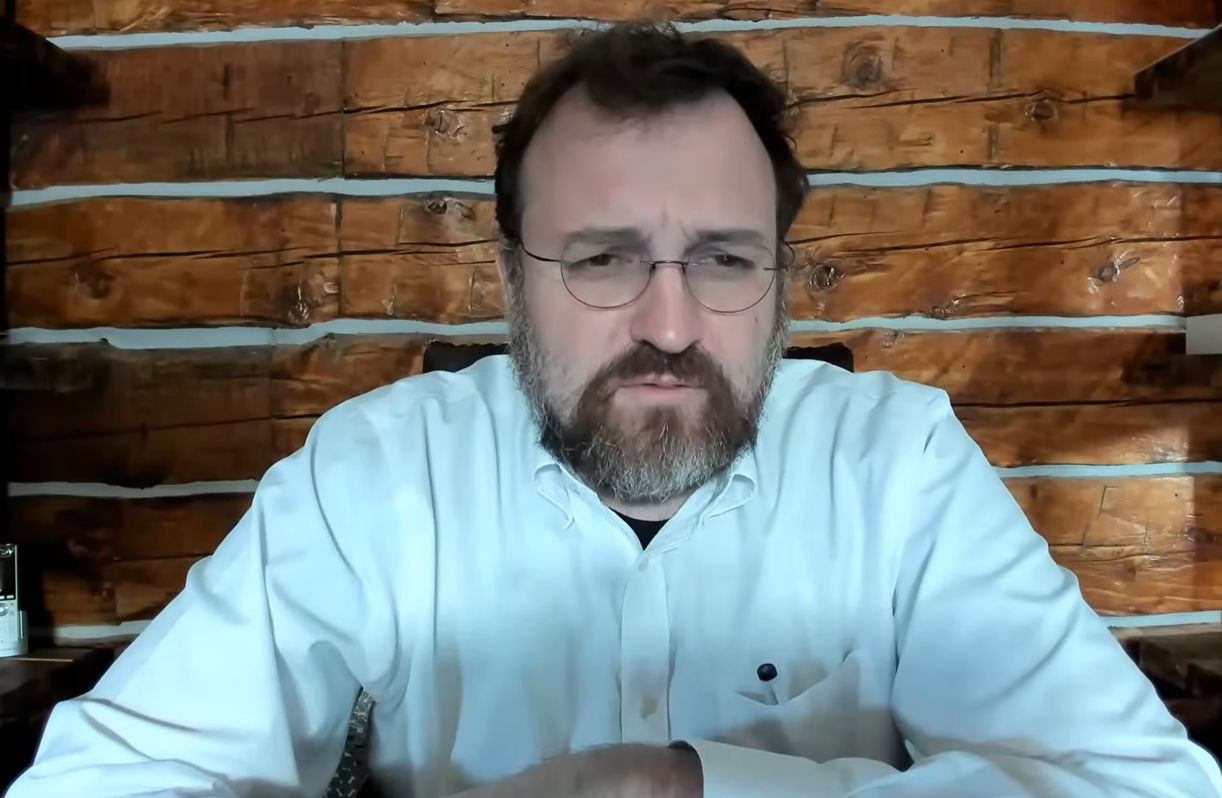
On January 18, 2026, Hoskinson delivered a passionate video commentary addressing critical issues including market fatigue and the broader implications for the future of cryptocurrency. He specifically highlighted concerns surrounding a proposed regulation that he feels would amplify the authority of the Securities and Exchange Commission (SEC). Hoskinson emphasized that the bill seems laden with amendments, suggesting that new projects could be seen as securities out of the gate.
Understanding the Critique: Why the Stance Against Garlinghouse?
At the core of Hoskinson’s issues lies what he believes to be a precarious situation for the cryptocurrency space. He articulated that pursuing the Clarity Act as written could lead to a scenario where startups and emerging projects find themselves in a compromising position. He echoed questions many in the industry are asking: Is this approach to regulation truly favorable compared to the existing landscape?
In addition to critiquing the proposed legislation, Hoskinson pointedly addressed Garlinghouse, questioning the logic behind seeking something that might ultimately prove insufficient. Garlinghouse’s suggestion to accept a flawed deal was met with skepticism. “Why should we hand authority to the same entity that has challenged us in the past?” Hoskinson asked, sparking conversations about the implications of accepting potentially harmful regulations.
He stressed that accepting such regulations may constrain innovation and create a hostile environment for new entrants to the market. “Once laws are codified, altering them becomes an uphill battle,” he illustrated, urging fellow industry stakeholders to strive for a sound and just regulatory framework instead of settling for half-measures that could set detrimental precedents.
It’s important to engage constructively on regulatory matters rather than to personalize attacks. We need collaboration, not conflict. pic.twitter.com/3jDHUiEbNp
— CryptoSupporter (@CryptoSupporter) January 18, 2026
Although Hoskinson’s critique directed toward Garlinghouse was stark, it also played into a larger narrative: the essence of cryptocurrency is being overshadowed by political maneuvering. He argues that the focus should be on ensuring that the core values of decentralization and individual empowerment are preserved rather than succumbing to outdated banking philosophies.
His warnings about a possible future dominated by custodial wallets and tight surveillance echo broader concerns about privacy and agency. “Are we really willing to give the reins of our financial future to the same institutions we aimed to replace?” he lamented.
Furthermore, Hoskinson expressed dissatisfaction with the prevailing atmosphere of discouragement that seems to be infiltrating discussions in the crypto space. He noted that social media often amplifies dissent and anxiety rather than fostering constructive critique and dialogue. By distancing himself from toxic environments, he hopes to encourage a more balanced approach to development and discussion in the industry.
As the conversation continues, stakeholders are urged to consider not just immediate outcomes but the long-term impact that regulatory decisions could have on innovation and market integrity. Investing time and energy into shaping an effective regulatory framework is more crucial than ever, as the future of cryptocurrency rests on it.
At the time of this discussion, XRP was traded at a price of $1.95, marking a significant point of interest for many in the investing community.