The cryptocurrency market has gained significant traction in Nigeria, with many individuals looking to invest in digital assets. This guide will provide a comprehensive overview of how to buy and sell cryptocurrency in Nigeria, covering everything from choosing the right platform to understanding the regulatory landscape.
Understanding Cryptocurrency
Before diving into the buying and selling process, it’s essential to understand what cryptocurrency is. Cryptocurrencies are digital or virtual currencies that use cryptography for security. They operate on decentralized networks based on blockchain technology, making them resistant to fraud and manipulation.
Why Invest in Cryptocurrency?
Investing in cryptocurrency can offer several advantages:
- High Potential Returns: Cryptocurrencies have shown the potential for significant price appreciation.
- Diversification: Adding crypto to your investment portfolio can provide diversification benefits.
- Accessibility: Cryptocurrencies can be bought and sold 24/7, providing flexibility for investors.
Choosing a Cryptocurrency Exchange
To buy and sell cryptocurrencies, you need to choose a reliable exchange. Here are some popular options available in Nigeria:
- Binance: One of the largest exchanges globally, offering a wide range of cryptocurrencies.
- Coinbase: A user-friendly platform ideal for beginners.
- Quidax: A Nigerian exchange that supports local currency transactions.
- Bitnob: Focused on the African market, allowing users to buy Bitcoin with Naira.
When selecting an exchange, consider the following factors:
- Security: Ensure the platform has robust security measures in place.
- Fees: Compare transaction fees across different exchanges.
- User Experience: Look for a platform that is easy to navigate.
- Customer Support: Reliable customer service can be crucial in resolving issues.
How to Buy Cryptocurrency in Nigeria
Once you’ve chosen an exchange, follow these steps to buy cryptocurrency:
1. Create an Account
Visit the exchange’s website and sign up for an account. You will need to provide personal information and verify your identity, which may include uploading identification documents.
2. Deposit Funds
After your account is set up, deposit funds. Most exchanges allow deposits via bank transfer, credit/debit cards, or even mobile money services. Ensure you check the deposit fees associated with each method.
3. Choose Your Cryptocurrency
Select the cryptocurrency you wish to buy. Bitcoin (BTC) is the most popular, but there are many other options like Ethereum (ETH), Ripple (XRP), and Litecoin (LTC).
4. Place an Order
Decide how much cryptocurrency you want to buy and place your order. You can choose between a market order (buying at the current market price) or a limit order (setting a specific price at which you want to buy).
5. Store Your Cryptocurrency
After purchasing, consider transferring your cryptocurrency to a secure wallet. While exchanges provide wallets, they are vulnerable to hacks. Hardware wallets or software wallets offer better security for long-term storage.
How to Sell Cryptocurrency in Nigeria
When you’re ready to sell your cryptocurrency, follow these steps:
1. Choose a Selling Method
You can sell your cryptocurrency through:
- Exchanges: Sell directly on the exchange where you bought it.
- P2P Platforms: Use peer-to-peer platforms to sell directly to buyers.
- Over-the-Counter (OTC) Services: For large transactions, OTC services can facilitate sales without affecting market prices.
2. Create a Sell Order
On the exchange, navigate to the sell section and create a sell order. Similar to buying, you can choose between a market order or a limit order.
3. Withdraw Your Funds
Once your sell order is executed, you can withdraw your funds. Choose your preferred withdrawal method, which may include bank transfer or mobile money.
Understanding the Regulatory Landscape
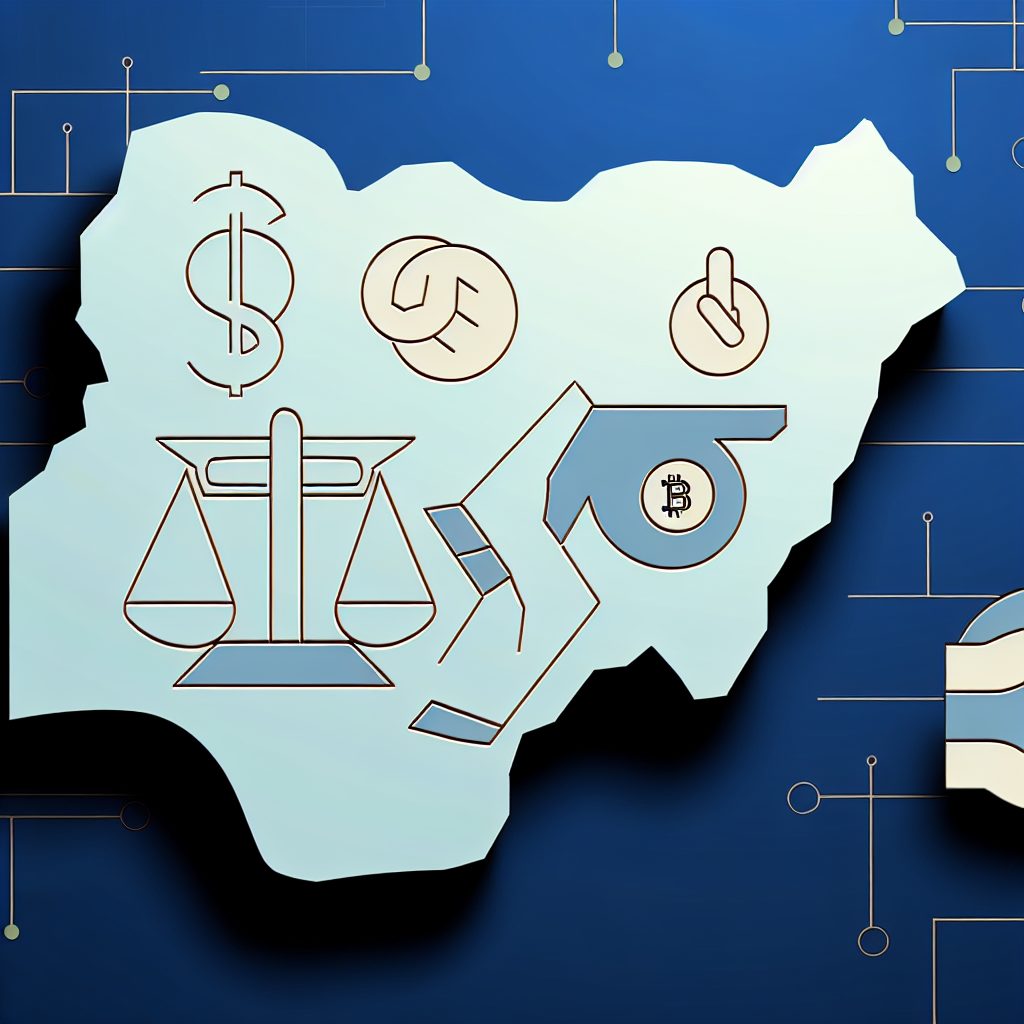
The regulatory environment for cryptocurrency in Nigeria is evolving. The Central Bank of Nigeria (CBN) has issued guidelines regarding the use of cryptocurrencies, emphasizing the need for compliance with anti-money laundering (AML) and combating the financing of terrorism (CFT) regulations.
As of 2025, it is crucial to stay updated on any changes in regulations that may affect your ability to buy and sell cryptocurrencies. Always ensure that the exchange you use complies with local laws and regulations.
Common Challenges in Buying and Selling Crypto in Nigeria
While the cryptocurrency market offers numerous opportunities, there are challenges to be aware of:
- Volatility: Cryptocurrency prices can fluctuate dramatically, leading to potential losses.
- Scams: Be cautious of fraudulent schemes and ensure you use reputable exchanges.
- Limited Acceptance: Not all merchants accept cryptocurrency, which can limit its use.
Frequently Asked Questions (FAQs)
1. Is cryptocurrency legal in Nigeria?
Yes, cryptocurrency is legal in Nigeria, but it is subject to regulations set by the Central Bank of Nigeria. Always stay informed about the latest regulations.
2. How can I convert Naira to Bitcoin?
You can convert Naira to Bitcoin by using a cryptocurrency exchange that supports Naira deposits. Simply create an account, deposit Naira, and purchase Bitcoin.
3. What are the risks of investing in cryptocurrency?
Investing in cryptocurrency carries risks, including market volatility, regulatory changes, and potential scams. It’s essential to do thorough research and only invest what you can afford to lose.
4. Can I buy cryptocurrency with a credit card in Nigeria?
Yes, many exchanges allow you to buy cryptocurrency using a credit card. However, be aware of any associated fees.
5. How do I keep my cryptocurrency safe?
To keep your cryptocurrency safe, use a secure wallet, enable two-factor authentication on your exchange account, and be cautious of phishing scams.
Conclusion
Buying and selling cryptocurrency in Nigeria is a straightforward process if you follow the right steps and choose a reliable platform. By understanding the market, selecting the right exchange, and staying informed about regulations, you can navigate the crypto landscape effectively. For the latest news, airdrops, and updates in the crypto world, visit Bitrabo. Follow us on X, Instagram, Threads, Facebook, and LinkedIn for more insights and updates.
Disclaimer: This article is for informational purposes only and does not constitute financial advice. Always conduct your own research before investing in cryptocurrencies.