Dogecoin, originally created as a joke, has transformed into a significant player in the cryptocurrency market. With its vibrant community and widespread acceptance, many investors are keen to buy and store Dogecoin. This guide will provide a comprehensive overview of how to purchase Dogecoin, the best practices for storing it securely, and tips for maximizing your investment.
Understanding Dogecoin
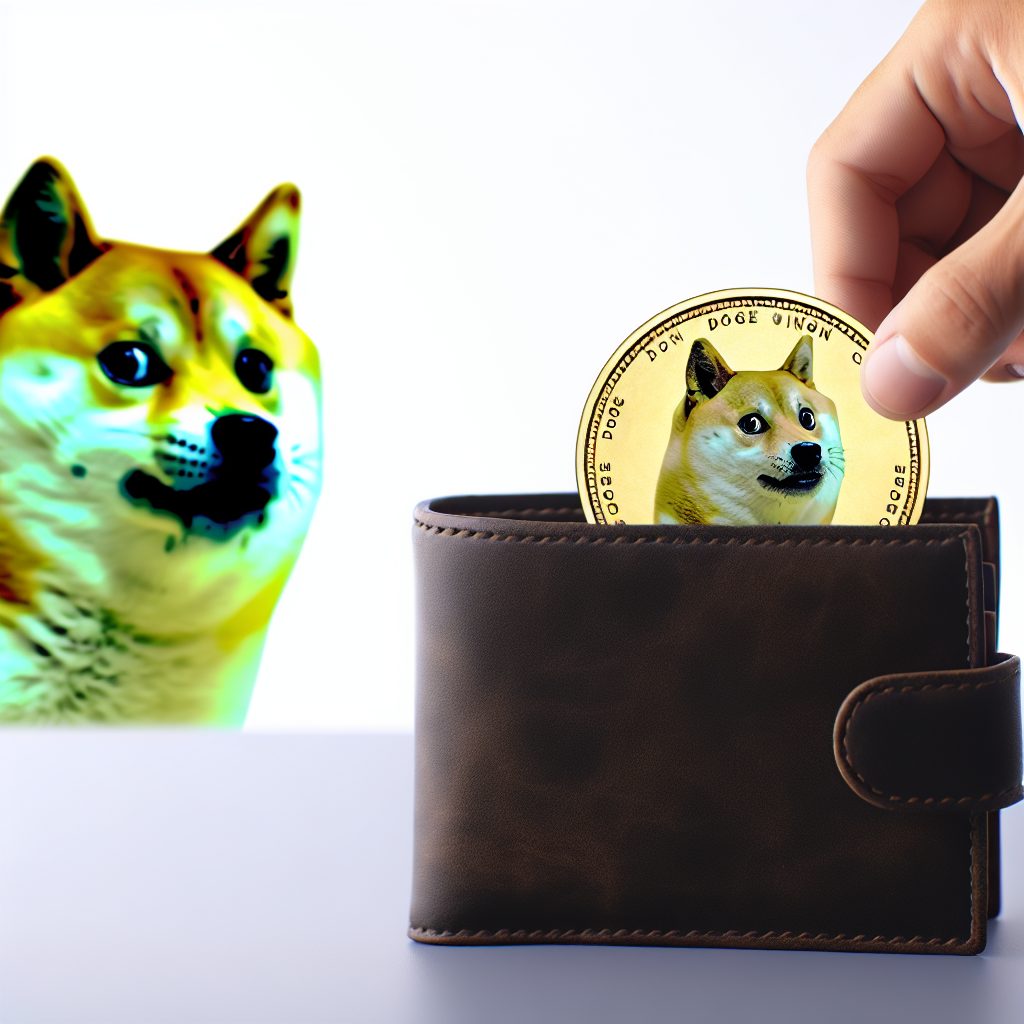
Launched in December 2013, Dogecoin was inspired by the popular “Doge” meme featuring a Shiba Inu. Despite its humorous beginnings, Dogecoin has gained traction due to its active community and charitable initiatives. Unlike Bitcoin, which has a capped supply, Dogecoin has an unlimited supply, making it more accessible for everyday transactions.
Why Invest in Dogecoin?
Investing in Dogecoin can be appealing for several reasons:
- Community Support: Dogecoin has a passionate community that actively promotes its use and development.
- Low Transaction Fees: Compared to other cryptocurrencies, Dogecoin offers lower transaction fees, making it ideal for microtransactions.
- Growing Acceptance: More merchants are beginning to accept Dogecoin as a form of payment, increasing its utility.
- Potential for Growth: With its increasing popularity, many investors believe Dogecoin has significant growth potential.
How to Buy Dogecoin
Purchasing Dogecoin involves several steps, from choosing a platform to making your first purchase. Here’s a detailed breakdown:
1. Choose a Cryptocurrency Exchange
Selecting the right cryptocurrency exchange is crucial for a smooth buying experience. Here are some popular exchanges where you can buy Dogecoin:
- Binance: One of the largest exchanges globally, offering a wide range of cryptocurrencies, including Dogecoin.
- Coinbase: A user-friendly platform ideal for beginners, allowing easy purchases of Dogecoin.
- Kraken: Known for its security features and a variety of trading options.
- Gemini: A regulated exchange that emphasizes security and compliance.
When choosing an exchange, consider factors such as fees, security features, and user experience. Always ensure the exchange is reputable and has a good track record.
2. Create an Account
Once you’ve selected an exchange, you’ll need to create an account. This process typically involves:
- Providing your email address and creating a password.
- Verifying your identity by submitting identification documents.
- Enabling two-factor authentication (2FA) for added security.
Identity verification may take some time, so be prepared for a waiting period before you can start trading.
3. Deposit Funds
After your account is set up, you’ll need to deposit funds. Most exchanges allow deposits via:
- Bank Transfer: A common method, though it may take a few days to process.
- Credit/Debit Card: Instant deposits, but often come with higher fees.
- Cryptocurrency Transfer: If you already own cryptocurrencies, you can transfer them to your exchange account.
Choose the method that best suits your needs, keeping in mind the associated fees and processing times.
4. Buy Dogecoin
With funds in your account, you can now purchase Dogecoin. Follow these steps:
- Navigate to the trading section of the exchange.
- Select Dogecoin (DOGE) from the list of available cryptocurrencies.
- Choose the amount of Dogecoin you wish to buy.
- Review the transaction details, including fees, and confirm your purchase.
Once the transaction is complete, the Dogecoin will be credited to your exchange wallet.
Storing Your Dogecoin
Storing your Dogecoin securely is essential to protect your investment. Here are the main storage options:
1. Exchange Wallets
When you buy Dogecoin on an exchange, it is stored in the exchange’s wallet. While this is convenient for trading, it is not the safest option. Exchange wallets are vulnerable to hacks and security breaches. If you plan to hold Dogecoin for the long term, consider transferring it to a more secure wallet.
2. Software Wallets
Software wallets are applications that you can install on your computer or mobile device. They offer a balance between convenience and security. Popular software wallets for Dogecoin include:
- Exodus: A user-friendly wallet that supports multiple cryptocurrencies, including Dogecoin.
- Atomic Wallet: A decentralized wallet that allows you to manage your Dogecoin and other assets.
While software wallets are generally secure, ensure you keep your device protected with antivirus software and strong passwords.
3. Hardware Wallets
For maximum security, consider using a hardware wallet. These are physical devices that store your cryptocurrencies offline, making them immune to online hacks. Some popular hardware wallets include:
- Ledger Nano S/X: Known for their robust security features and support for multiple cryptocurrencies.
- Trezor: Another reputable hardware wallet that offers excellent security and user experience.
Hardware wallets are ideal for long-term storage, especially if you hold a significant amount of Dogecoin.
4. Paper Wallets
A paper wallet is a physical printout of your Dogecoin private and public keys. While this method is highly secure from online threats, it comes with risks such as loss or damage. If you choose to create a paper wallet, ensure you follow best practices:
- Use a secure, offline computer to generate your keys.
- Print the wallet and store it in a safe place.
- Consider creating multiple copies and storing them in different locations.
Best Practices for Storing Dogecoin
To ensure the safety of your Dogecoin, follow these best practices:
- Enable Two-Factor Authentication: Always enable 2FA on your exchange and wallet accounts for added security.
- Keep Software Updated: Regularly update your wallet software to protect against vulnerabilities.
- Use Strong Passwords: Create complex passwords and change them regularly.
- Backup Your Wallet: Regularly back up your wallet and store the backup in a secure location.
Trading and Selling Dogecoin
Once you own Dogecoin, you may want to trade or sell it. Here’s how to do it effectively:
1. Monitor Market Trends
Stay informed about market trends and news that may affect Dogecoin’s price. Use tools like price tracking websites and social media platforms to keep up with the latest developments.
2. Choose the Right Time to Sell
Timing is crucial when selling Dogecoin. Look for signs of price increases or market momentum before making a sale. Consider setting price alerts on your exchange to notify you when Dogecoin reaches your target price.
3. Use Limit Orders
When selling Dogecoin, consider using limit orders. This allows you to set a specific price at which you want to sell, ensuring you don’t miss out on potential profits.
Tax Implications of Buying and Selling Dogecoin
Understanding the tax implications of buying and selling Dogecoin is essential for compliance. In many jurisdictions, cryptocurrencies are treated as assets, meaning that capital gains tax may apply when you sell or trade them. Here are some key points to consider:
- Record Keeping: Maintain detailed recordsof all your transactions, including dates, amounts, and prices.
- Consult a Tax Professional: Tax laws vary by country and can be complex. Consulting a tax professional can help you navigate your obligations.
- Report Gains and Losses: Be prepared to report any gains or losses on your tax returns, as failure to do so can lead to penalties.
Frequently Asked Questions (FAQs)
1. Is Dogecoin a good investment?
Dogecoin has shown significant growth and community support, making it an attractive investment for many. However, like all cryptocurrencies, it carries risks. Conduct thorough research and consider your financial situation before investing.
2. How can I keep my Dogecoin safe?
To keep your Dogecoin safe, use hardware wallets for long-term storage, enable two-factor authentication, and regularly back up your wallet. Avoid sharing your private keys and be cautious of phishing attempts.
3. Can I buy Dogecoin with a credit card?
Yes, many exchanges allow you to purchase Dogecoin using a credit or debit card. However, be aware of higher fees associated with card transactions compared to bank transfers.
4. What is the future of Dogecoin?
The future of Dogecoin is uncertain and depends on various factors, including market trends, community support, and broader cryptocurrency adoption. Staying informed and engaged with the community can provide insights into its potential.
5. How do I transfer Dogecoin to another wallet?
To transfer Dogecoin, log into your wallet, select the option to send or withdraw, enter the recipient’s wallet address, specify the amount, and confirm the transaction. Always double-check the recipient’s address to avoid loss of funds.
Conclusion
Buying and storing Dogecoin can be a rewarding experience, especially with its growing popularity and community support. By following the steps outlined in this guide, you can make informed decisions about purchasing, storing, and trading Dogecoin. Always prioritize security and stay updated on market trends to maximize your investment potential.
For more insights and updates on cryptocurrencies, visit Bitrabo, your trusted source for crypto news, airdrops, and new listings alerts. Follow us on X, Instagram, Threads, Facebook, and LinkedIn for the latest updates.
Disclaimer: This article is for informational purposes only and should not be considered financial advice. Always conduct your own research and consult with a financial advisor before making investment decisions.